Last updated October 9, 2026




Free written scope consultation - allowances, timeline, and change-order rules on paper before a single trade is scheduled
Choosing the Right Construction Brand: A Buyer’s Guide for Los Angeles
Every remodeling contractor in Los Angeles claims to be licensed, insured, and committed to quality. Fewer than a third of them can produce a certificate of insurance naming you as additionally insured on the day you ask for it. The gap between what companies say and what they’ll put in writing is where most remodeling disputes begin. This guide and our Complete Home Remodeling Guide for Los Angeles Homeowners give you a framework for evaluating what a construction brand actually guarantees, not what it advertises, so you can separate contractors who perform from contractors who market.
Styles & brands we work with


Quick Answer
Choosing the right construction brand in Los Angeles comes down to three verifiable documents: a current CSLB license, a certificate of liability insurance naming you as additionally insured, and a written guarantee that specifies scope, duration, and the claim process. For a deeper look at the full process, see The Complete Guide to Construction in Los Angeles. If a contractor won’t produce these before you sign anything, walk away. Bradford Remodeling puts every price and every guarantee in writing before a single tool comes out, then backs completed work with the 365-Day Done Right Promise.
Table of Contents
- The Documents a Reputable Contractor Produces Before You Sign
- How to Evaluate a Written Guarantee
- The Pre-Construction Documentation Standard
- How to Cross-Reference Reviews Against Public Records
- The Questions That Separate Performers From Marketers
- Why Material Brands Matter in Los Angeles
- Common Mistakes to Avoid
- When to Call a Professional
- Frequently Asked Questions
- The Bottom Line
The Documents a Reputable Contractor Produces Before You Sign
Before you sign a contract with any remodeler in Los Angeles, you should hold three pieces of paper in your hand. Not promises of paper. Not “we’ll get that to you.” Actual documents, with dates and policy numbers on them.
Here’s what a squared-away contractor hands over without being asked twice:
- Current CSLB license verification. The California Contractors State License Board maintains a public database. Your contractor should give you their license number and it should come back clean with no active suspensions. You can pull the record yourself at CSLB.ca.gov in under two minutes. If the name on the license doesn’t match the name on the contract, that’s a red flag.
- Certificate of liability insurance naming you as additionally insured. This is the document most homeowners never ask for and most contractors hope you won’t. A certificate naming you as additionally insured means the carrier will notify you if the policy lapses or is cancelled mid-project. Without your name on that certificate, the contractor’s insurance covers the contractor, not you.
- Workers’ compensation certificate with policy expiration date. If a worker gets hurt on your Los Angeles property and the contractor doesn’t carry workers’ comp, you can be held liable. Ask for the certificate and check the expiration date. A policy that expires three weeks into your six-month kitchen remodel is not a policy, it’s a countdown.
The Garrison Standard, the operating framework behind Bradford Remodeling, treats these three documents as table stakes. Not negotiable extras. If a contractor treats them as a hassle, that tells you how they’ll treat change orders, inspections, and warranty claims down the line.
In Los Angeles specifically, the underground economy in construction is real. Unlicensed operators take deposits and disappear. The CSLB license isn’t just a formality; it’s the first filter that separates a business from a guy with a truck and a business card.
How to Evaluate a Written Guarantee
Most remodelers say they offer a warranty. Few can tell you what it actually says. The test is simple: ask to read it before you sign the contract.
A real written guarantee specifies four things:
- Scope. What exactly is covered? Workmanship? Materials? Both? A guarantee that covers “workmanship” but excludes the products installed is a guarantee that covers almost nothing when something actually fails.
- Duration. How long does the coverage last? Thirty days is a punch-list period, not a warranty. One year is a reasonable floor for completed residential work.
- Claim process. How do you file a claim? Who do you call? What’s the response timeline? A guarantee without a claim process is a paragraph of good intentions.
- Exclusions. What voids the coverage? Normal wear? Improper homeowner maintenance? Structural movement? You should know the exclusions before you need the guarantee, not after.
Vague warranty language like “we stand behind our work” has no legal teeth. It means whatever the contractor decides it means in the moment you file a claim. Specific language, with dates and obligations on both sides, is the only thing a court can actually enforce.
Bradford Remodeling’s 365-Day Done Right Promise is a written guarantee on every completed project. If the work fails inside that window, Bradford returns and corrects it at no charge. The promise covers the work for a full year, and the claim process is simple: call the same live person who answered when you first called, describe the issue, and a crew schedules the return visit. No renegotiation, no “that’s not covered,” no surprise invoice.
What “warranty on workmanship” means legally versus practically is the gap every Los Angeles homeowner should understand before signing. Legally, a workmanship warranty creates an implied duty to perform work to accepted trade standards. Practically, it means nothing unless the contractor has the discipline to actually return and fix what failed. The written guarantee is what turns the legal abstraction into a practical commitment.
The Pre-Construction Documentation Standard
Before a professional contractor mobilizes on your Los Angeles project, you should have more than a handshake. You should have a written scope, a payment schedule, and a change-order policy. All three documents, all in writing, all before the first cut.
Here’s what each one should look like:
Fixed-Price Scope
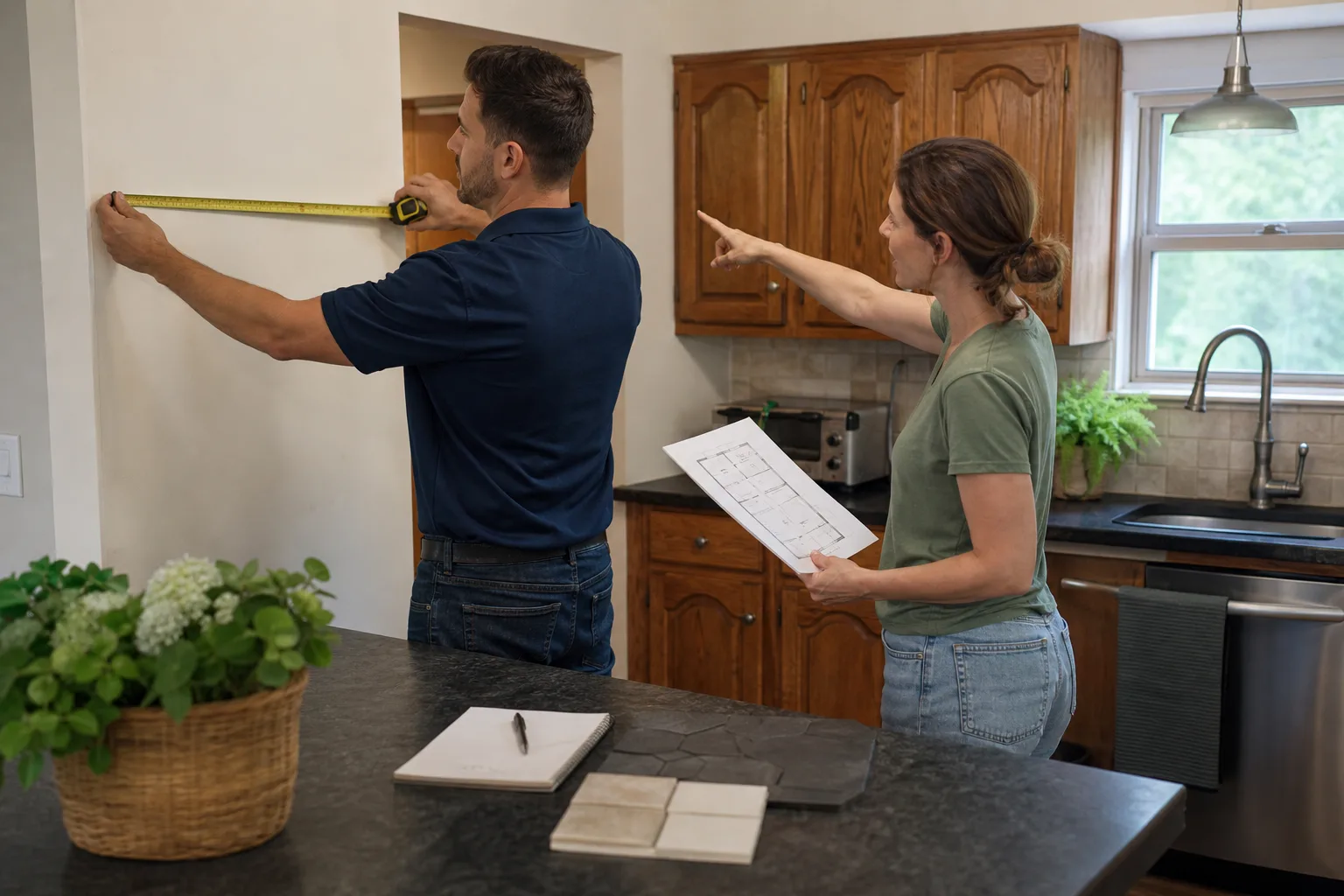
The scope of work should list every trade, every material, and every finish in plain English. “Install kitchen cabinets” is not a scope. “Supply and install KraftMaid cabinetry, model X, finish Y, including hardware, crown molding, and soft-close hinges” is a scope. The more specific the scope, the fewer arguments about what was and wasn’t included. In Los Angeles, where remodeling costs run 10-20% above the national average, specificity in the scope is the only thing that protects your budget.
Payment Schedule Tied to Milestones
Your payment schedule should tie every dollar to a completed, verifiable milestone. Rough-in done? That’s a payment point. Cabinets installed? That’s a payment point. Final inspection passed? That’s the final payment. A contractor who wants 50% up front before a single tool shows up is financing their cash flow with your money. The Garrison Standard puts every price and every payment term in writing before work starts, with no numbers that move at the door.
Written Change-Order Policy
Changes happen on every project. The question is how they’re handled. A professional contractor has a written change-order policy: any change in scope, materials, or schedule triggers a written change order with a specific price adjustment, signed by both parties before the work proceeds. If the policy is “we’ll figure it out as we go,” you’ll figure out where your budget went when it’s already gone.
How to Cross-Reference Reviews Against Public Records
Online reviews are the easiest thing in the world to fake and the hardest thing to verify. A clean five-star profile with zero verifiable documentation is not proof of quality. It’s proof of marketing. Here’s how to check what’s real.
- Pull the CSLB complaint history. The California Contractors State License Board maintains complaint records and any disciplinary actions. A contractor with three complaints and one license suspension isn’t a five-star company, no matter what their Google reviews say.
- Check BBB records. The Better Business Bureau shows complaint patterns, resolution rates, and whether complaints were resolved or simply closed. A pattern of unresolved complaints is a signal no review wall can bury.
- Search court judgment records. Los Angeles County Superior Court cases are searchable online. A contractor with multiple judgments for unpaid suppliers or mechanics liens against them is not someone you want holding your deposit. Unpaid subs and suppliers can file liens against your property even if you paid the contractor in full.
- Compare the dates. A contractor who opened for business in 2023 with 47 reviews all posted in the same two-week window isn’t building a reputation. They’re building a screenshot.
A clean online profile means nothing on its own. A clean CSLB record, a clean BBB record, and a clean court search mean something. The discipline to check all three is what separates homeowners who get what they paid for from homeowners who spend a year in a construction dispute.
The Questions That Separate Performers From Marketers
Most homeowners ask contractors about price and timeline. Those questions matter, but they don’t separate the real operations from the sales pitch. Ask these three questions and watch the difference:
- “Who was the permit inspector on your last three projects?” A contractor who actually pulls permits in Los Angeles knows the inspectors in their trade. They’ve met them, scheduled with them, and passed their inspections. A contractor who hesitates, deflects, or says “we don’t really need permits for this” is telling you they operate outside the system. In Los Angeles, where city inspectors enforce some of the strictest building codes in the country, that’s not a shortcut. It’s a liability you’ll carry.
- “Who is your primary lumber supplier?” Every real remodeler has a lumber yard they use weekly, not whatever big-box store is closest to the job. If the answer is “we get materials wherever,” the contractor doesn’t have the relationships that keep material quality consistent and lead times predictable. A named supplier is a sign of a running operation, not a hobby.
- “Do you carry completed-operations coverage on your liability policy?” This is the coverage that protects you after the job is done. If a contractor’s liability coverage ends the day they walk off the job, and their work fails six months later, you’re filing a claim against a policy that no longer covers the loss. Completed-operations coverage extends protection into the warranty period. Most contractors don’t carry it. The ones who do will answer the question in one sentence.
Bradford Remodeling operates under The Garrison Standard, which means the answer to each of these questions is documented, not remembered. The permit history is on file. The supplier relationships are established and traceable. The insurance coverage is specified in the certificate you’ll hold in your hand before signing.
Why Material Brands Matter in Los Angeles
A contractor can be disciplined, documented, and guaranteed, and still produce a bad outcome if the materials fail. In Los Angeles, where heat, salt air near the coast, and seismic movement all stress a home’s envelope, the product you specify matters as much as the crew that installs it.
Here’s the practical difference between a documented brand and a no-name product:
- Manufacturer warranty. James Hardie siding carries a 30-year limited product warranty. No-name fiber cement from an unfamiliar supplier carries whatever the distributor feels like honoring, which is usually nothing.
- Traceability. KraftMaid and Wellborn cabinetry come with serialized production records and spec sheets. If a door warps or a hinge fails, you know exactly what was installed and what the manufacturer’s remedy is. Anonymous cabinets from a wholesale lot come with a shrug.
- Finish quality. Cambria quartz surfaces are produced to a documented tolerance and backed by a manufacturer that stands behind the product. Off-brand stone from an unverified importer can vary in density, color consistency, and fabrication quality across the same slab order.
Bradford Remodeling works with a documented roster of name-brand materials: KraftMaid, Wellborn, Cambria, Kohler, GAF, James Hardie, Therma-Tru, and others. Specifications are traceable, quality is not left to guesswork, and the manufacturer warranties back Bradford’s own guarantee. When The Garrison Code says every specification must be documented, this is what that means in practice.
In Los Angeles specifically, seismic code requires specific fastening patterns and hold-down hardware that no-name exterior products may not have engineering for. James Hardie’s engineering documents cover LA’s seismic requirements. A generic product may install fine on a clear day and then fail when the ground shakes.
Common Mistakes to Avoid
- Taking the lowest bid without comparing scopes. In Los Angeles, a $65,000 kitchen remodel bid and a $45,000 bid for what looks like the same project are rarely the same project. One includes permits, engineering, and documented materials. The other includes whatever the crew can get cheap. Compare scopes line by line before you compare prices.
- Signing a contract before seeing a certificate of insurance. Every day you’re under contract without being named as additionally insured is a day you’re personally exposed. Get the certificate first, sign second.
- Accepting verbal promises as contract terms. “We’ll fix anything that goes wrong” is not enforceable. What’s written is enforceable. Get every promise in writing, including the guarantee.
- Paying a large deposit before work starts. In California, the legal limit for a down payment is 10% or $1,000, whichever is less. A contractor asking for 30% up front is already testing what you’ll let slide.
- Skipping permit verification. Unpermitted work in Los Angeles can complicate resale, void insurance claims, and trigger code enforcement fines. Confirm the permit is pulled and posted before work begins.
- Ignoring the change-order process. If the contract doesn’t include a written change-order policy, every modification becomes a negotiation at the finish line. Written change orders, signed by both parties, keep the price honest.
- Choosing a contractor with no verifiable history. A brand-new company can do great work, but they can also disappear. A contractor with a 20-year paper trail of permits, supplier relationships, and resolved warranty claims has something to lose if they fail you.
When to Call a Professional
If your project involves structural changes, plumbing relocation, electrical panel work, or anything that requires a Los Angeles city permit, you need a licensed general contractor who manages the permit process and coordinates the trades. Learn more in The Complete General Contractor Guide for Los Angeles Homeowners. If your project involves high-tension garage door springs, gas line work, or electrical service changes, do not attempt it yourself; those are genuinely dangerous and require trained professionals. If you’re comparing contractors and finding that none of them will produce insurance certificates, written guarantees, or fixed-price scopes, that’s your signal to keep looking. Bradford Remodeling offers free estimates in Los Angeles, call (903) 568-7222 to schedule yours.
Frequently Asked Questions
A mid-range kitchen remodel in Los Angeles typically runs $55,000 to $110,000, while a full high-end remodel with structural changes can range from $120,000 to $200,000 or more depending on scope, materials, and the condition of the existing structure. A written fixed-price scope from a contractor who documents every line item is the only way to know what your specific project will actually cost. Call (903) 568-7222 for an exact quote on your Los Angeles kitchen project, estimates are free.
A California remodeling contract should include a fixed-price scope of work, a payment schedule tied to milestones, a written change-order policy, the contractor’s CSLB license number, and a written workmanship guarantee specifying duration and claim process. If any of those elements is missing, the contract protects the contractor more than it protects you. Bradford Remodeling includes every one of those elements in writing before work begins.
Visit the California Contractors State License Board website at CSLB.ca.gov and search by the contractor’s name or license number to confirm the license is active, check for disciplinary actions, and verify the license holder’s identity matches the person you’re dealing with. It takes under two minutes and it’s the single highest-value check you can do before signing anything.
“Insured” means the contractor carries liability insurance, which may or may not name you as additionally insured, and “bonded” means they’ve posted a contractor’s bond required by the CSLB, which covers specific statutory violations but is not a general performance guarantee. Always ask for the certificate of insurance naming you as additionally insured and confirm workers’ comp coverage with a current expiration date.
Los Angeles remodels cost more because of strict seismic code requirements, higher permitting fees, stricter energy efficiency standards under Title 24, and the cost of labor and materials in a major coastal metro. The tradeoff is that work done to current LA code holds its value better and avoids the resale complications of unpermitted construction.
With a written fixed-price scope and a signed change-order policy, the price only changes if you change the scope, and every change is documented and signed before the work proceeds. Contractors who reprice at the door are operating without either document. Bradford Remodeling gives every homeowner a written price before any work starts, with no numbers that move at the door.
The 365-Day Done Right Promise covers every completed project for one full year, and if the work fails inside that window, Bradford Remodeling returns and corrects it at no charge. The guarantee is written, the claim process is a phone call to a live person, and the scope of coverage is specified before the project starts. Call (903) 568-7222 to get the specifics for your project.
The Bottom Line
Choosing the right construction brand in Los Angeles is not about portfolio photos or review averages. It’s about verifiable commitments made in writing: a current CSLB license, a certificate of insurance naming you, a fixed-price scope, a payment schedule tied to milestones, and a written guarantee with a real duration and a real claim process. Those commitments are the only things that protect you when a project hits a snag. Bradford Remodeling has been a member of the Garrison Partners family since 2004, operating under The Garrison Standard in Los Angeles, putting every price and every guarantee in writing before a single tool comes out. Bradford Remodeling home | General Contractor in Los Angeles | Kitchen Remodeling in Los Angeles | Home Remodeling in Los Angeles
Call (903) 568-7222 to schedule your free estimate, or explore more guides & resources before you call. A live person answers, 24 hours a day.
Written by Curtis Lane, Owner at Bradford Remodeling, serving Los Angeles since 2004.
See the difference
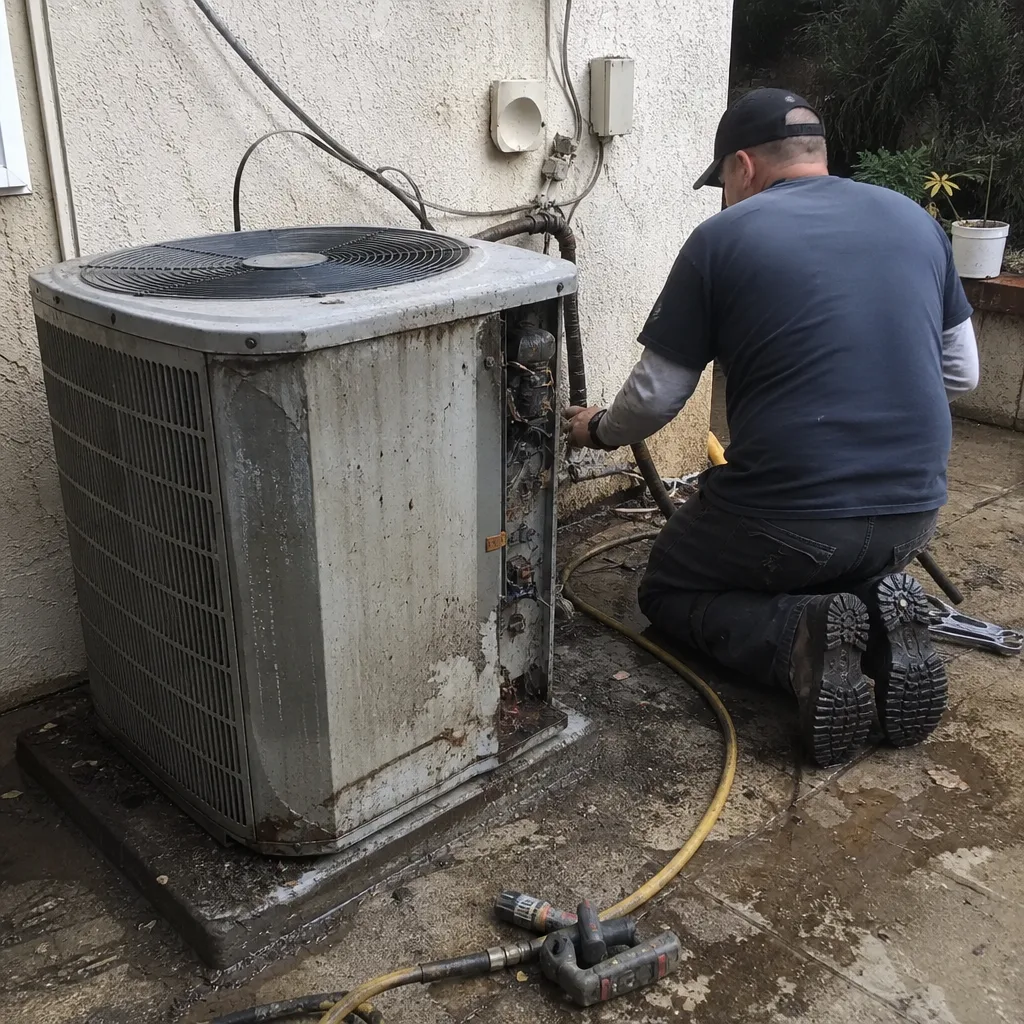 Before
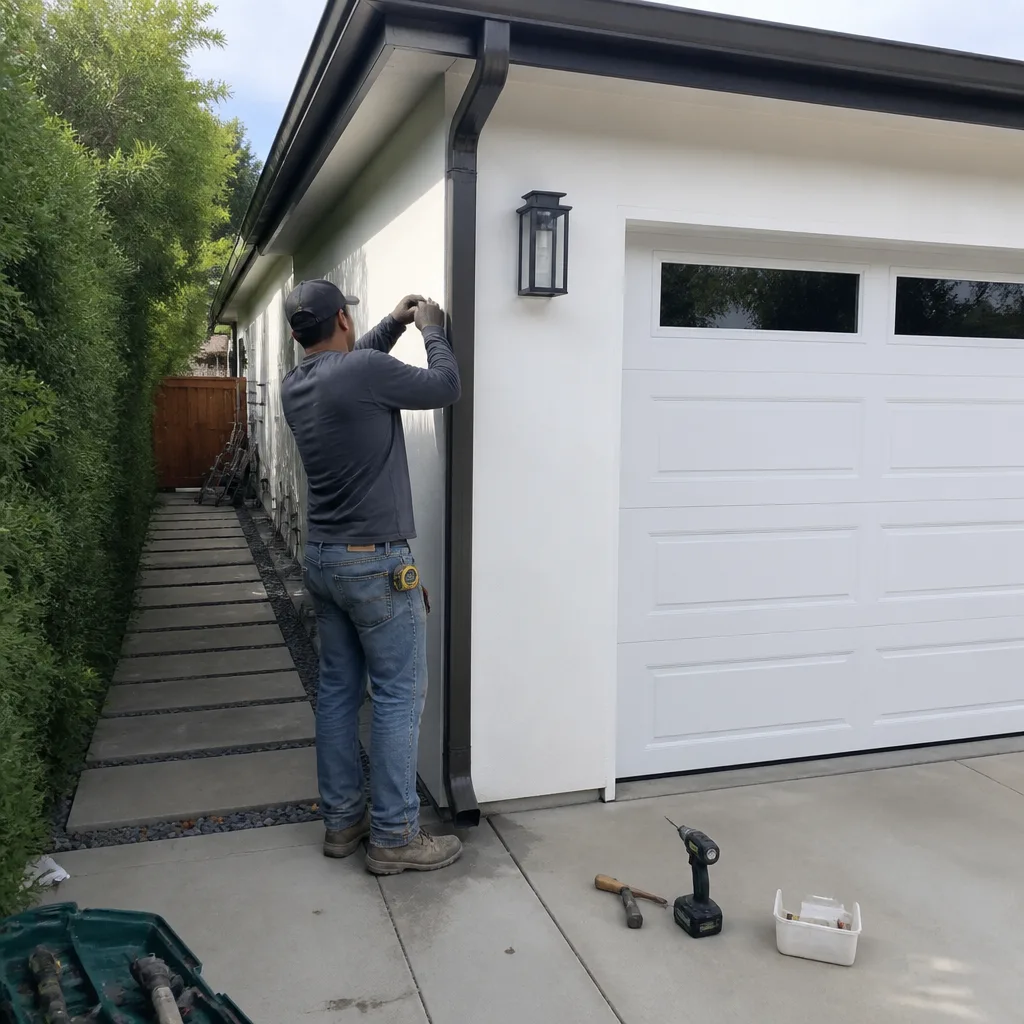
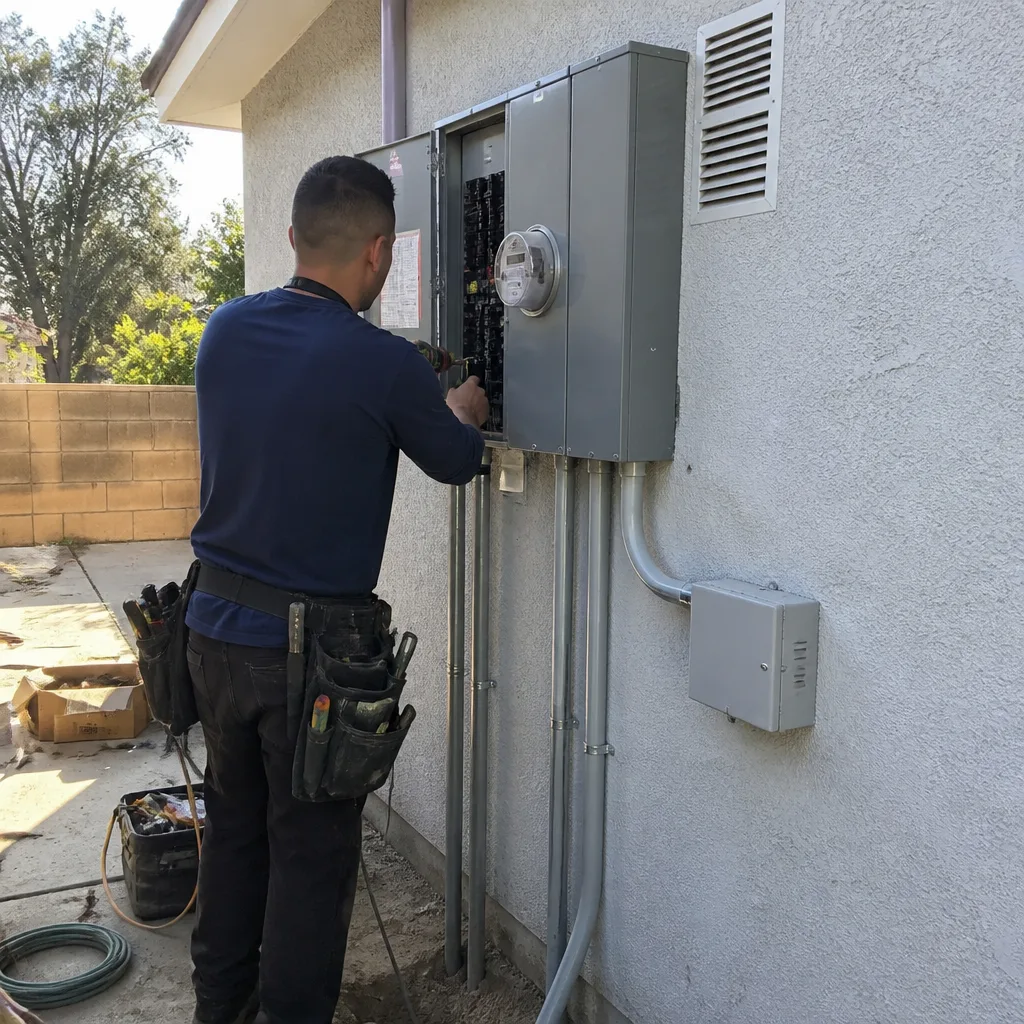 After
After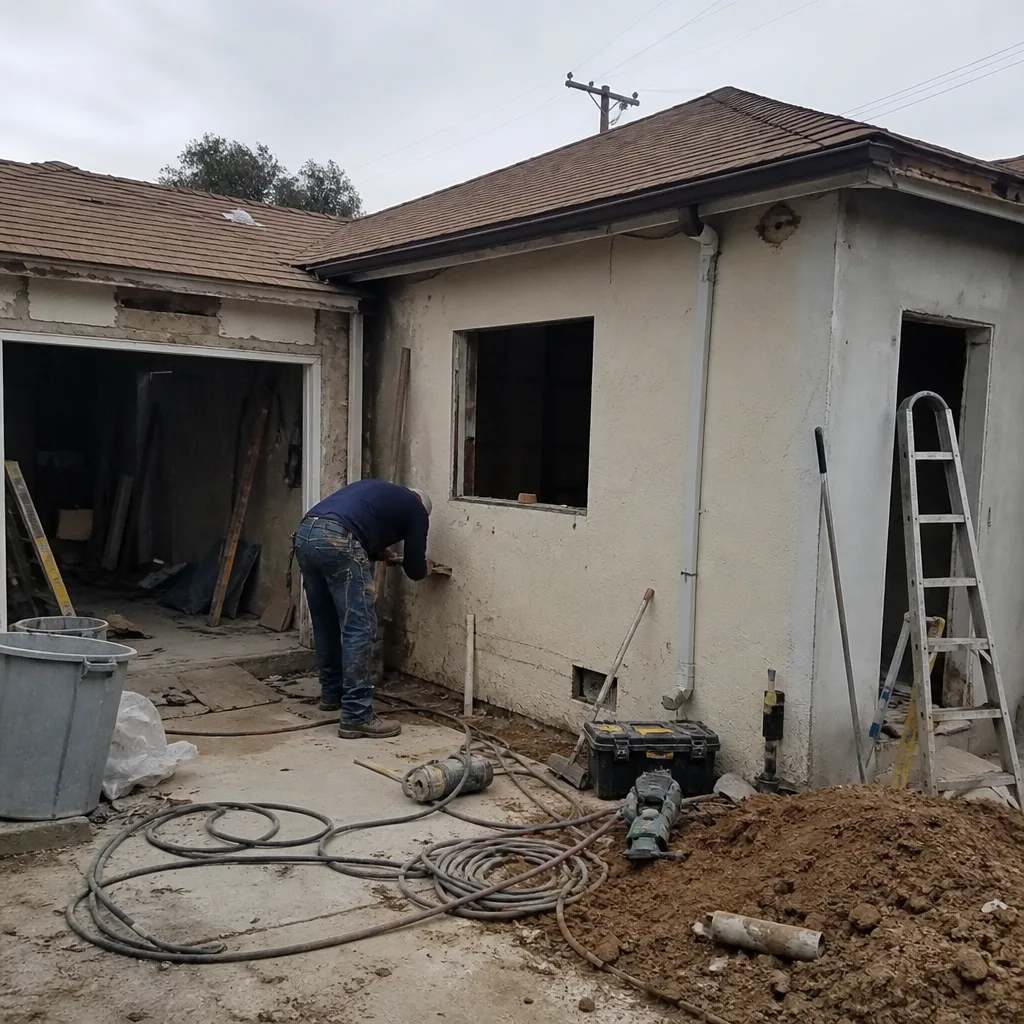 Before
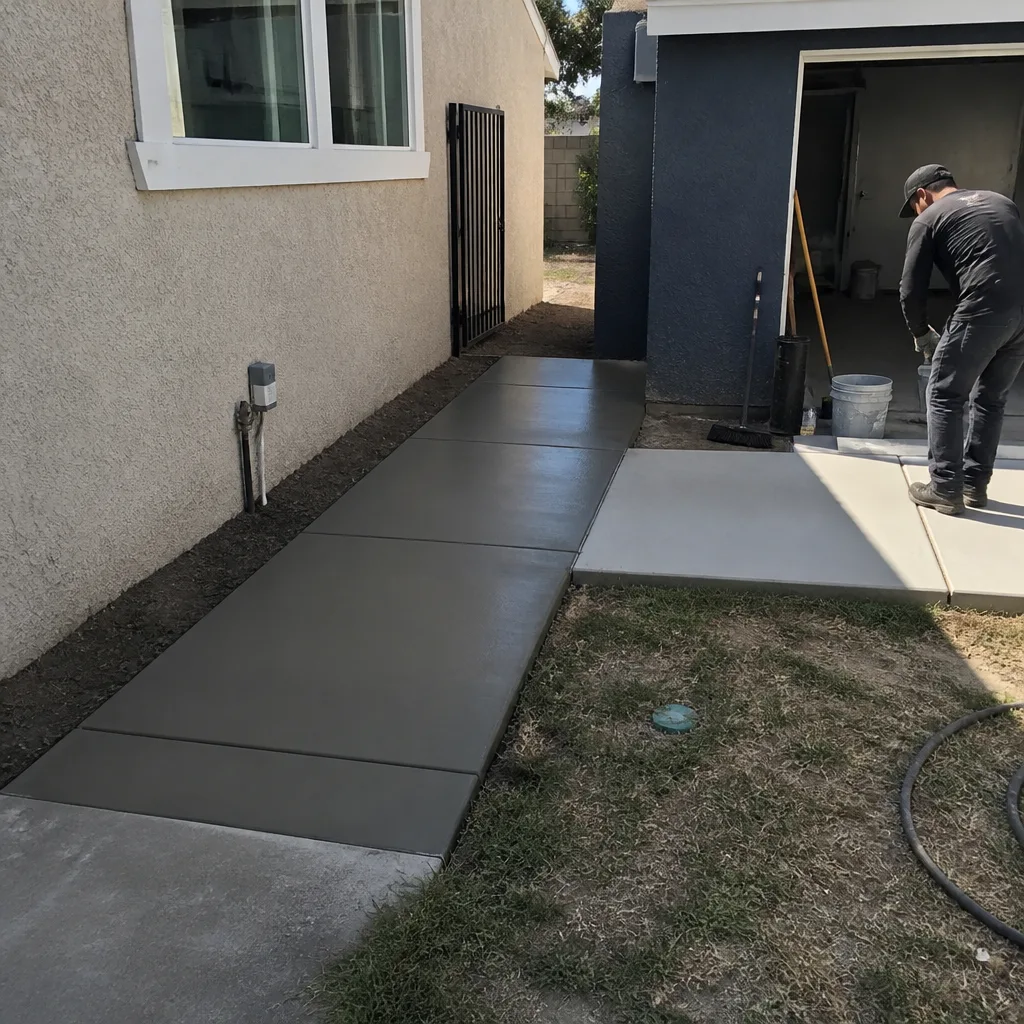 After
After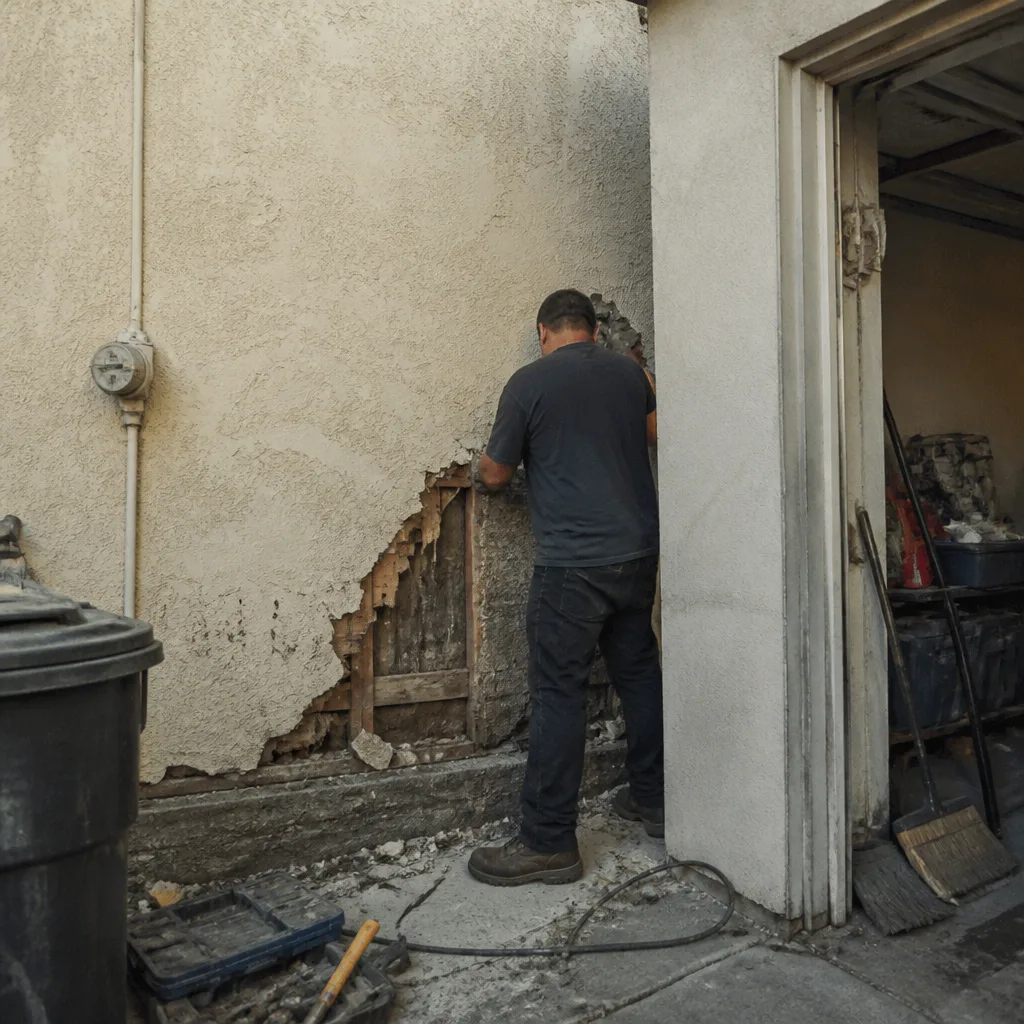 Before
 After
After