Last updated October 9, 2026
Free written scope consultation - allowances, timeline, and change-order rules on paper before a single trade is scheduled
The Complete Guide to Construction in Los Angeles
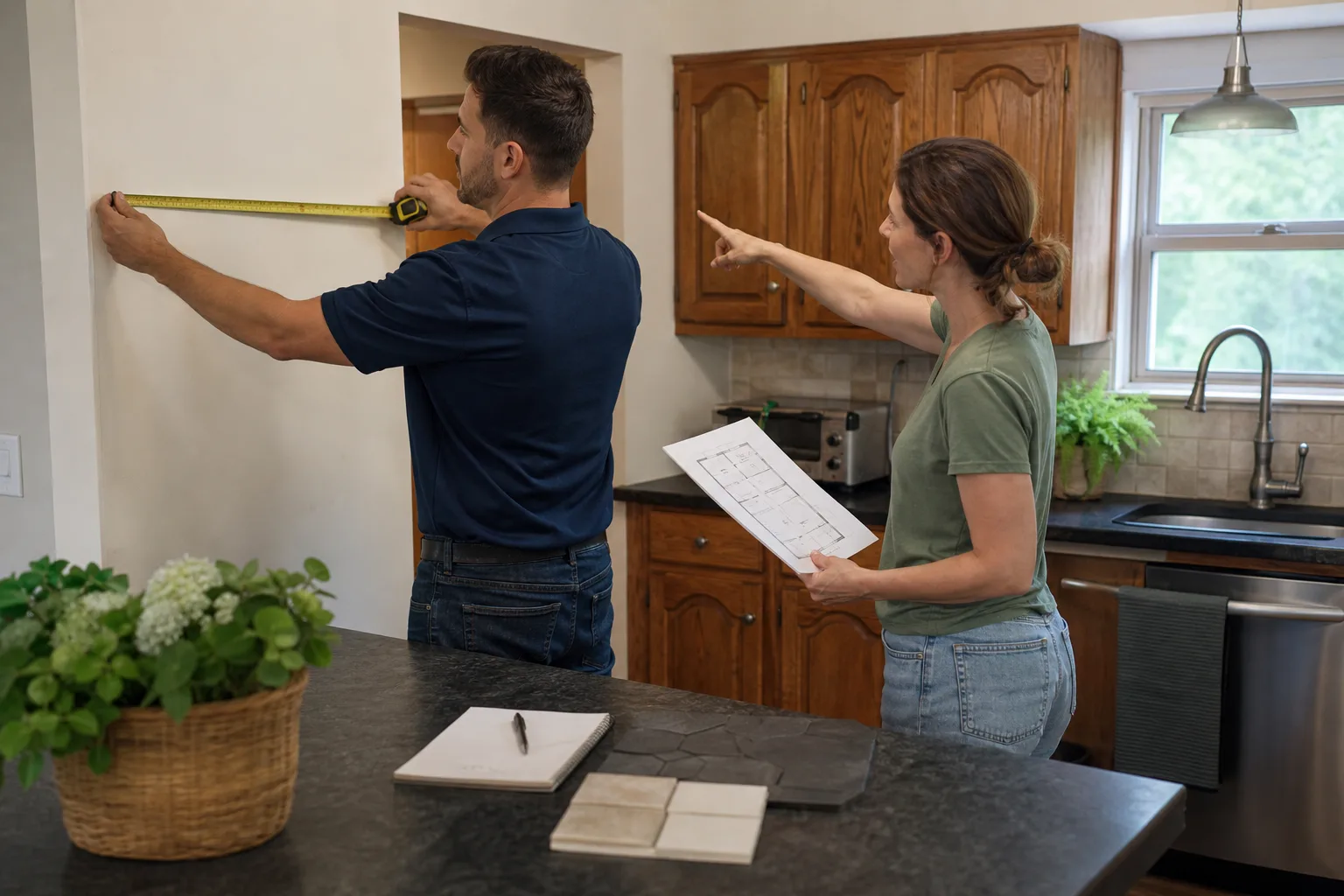
Los Angeles County contains 88 incorporated cities, each operating its own building department with its own fee schedules, plan check timelines, and code interpretations. A kitchen remodel in Culver City follows different rules than the same remodel two miles away in unincorporated LA County, and most homeowners find this out only after a project gets flagged or red-tagged. This guide maps the full terrain: jurisdictions, permits, seismic zones, historic overlays, and the practical cost and scope questions that determine whether your project moves forward cleanly or stalls at the first inspection. For a deeper dive into budgeting, see our Construction Cost Breakdown: The Los Angeles Homeowner’s Reference for 2026. By the time you finish reading, you’ll know exactly what category your project falls into before you talk to a single contractor in Los Angeles.
Styles & brands we work with


Quick Answer
Construction in Los Angeles is governed by three overlapping layers: your local building jurisdiction (city of Los Angeles, one of 87 other incorporated cities, or LA County), California state building codes with seismic retrofit requirements, and any neighborhood-specific overlays like HPOZ or HOA design review. Most remodels and additions require permits, most structural work requires a licensed general contractor, and what you can legally owner-build depends on your property’s specific classification. Getting the jurisdiction right on day one is the difference between a smooth inspection and a stop-work order.
Table of Contents
- How to Identify Your Building Jurisdiction in Los Angeles County
- The Three Project Categories: Tenant Improvement, ADU Addition, and Full Remodel
- Seismic Zones and Northridge Code Updates: What Pre-1994 Homes Face
- HPOZ and HOA Review: The Hidden Veto Layers
- The Permit Matrix: What Needs a Permit, a License, or an Owner-Builder
- Realistic Cost Ranges for Los Angeles Construction
- How Bradford Remodeling Approaches Construction in Los Angeles
- Common Mistakes to Avoid
- When to Call a Professional
- Frequently Asked Questions
- The Bottom Line
How to Identify Your Building Jurisdiction in Los Angeles County
Your parcel’s governing authority is the first fact every contractor must confirm before pricing work. In Los Angeles, the answer is not as simple as “LA City Hall.” The Los Angeles Department of Building and Safety (LADBS) governs only the incorporated City of Los Angeles. If your mailing address says Los Angeles but you live in a separate incorporated city like Glendale, Burbank, Pasadena, Santa Monica, or West Hollywood, that city runs its own building department with its own code amendments, plan check queue, and inspection scheduling system.
Unincorporated LA County areas, which include communities like Altadena, East Los Angeles, Marina del Rey, and parts of the San Fernando Valley, fall under LA County Public Works Building and Safety. These parcels often carry a Los Angeles mailing address, which is exactly why homeowners end up filing with the wrong agency and burning weeks of lead time.
Here is the step-by-step way to confirm jurisdiction before you sign anything:
- Check your property tax bill. The taxing authority listed tells you whether you’re in a city or unincorporated county territory.
- Search the LADBS parcel lookup tool by address. If your parcel returns no record, you are likely in a different city or unincorporated territory.
- Call the planning counter of the city you believe governs you and ask for a “jurisdictional determination” for your address. This takes one phone call and settles it.
- Verify any special district overlays while you’re there. Coastal zone parcels, hillside districts, and fire hazard severity zones can layer additional plan review on top of the base permit.
Why does this matter for your timeline? A plan check that runs six weeks at one counter can run twelve at another. A contractor who files with the wrong agency loses you two to three weeks before the first correction note ever comes back. At Bradford Remodeling, we confirm jurisdiction as step one of every written estimate, because a price that assumes the wrong permit office is a price that will move at the door, and we don’t work that way.
The Three Project Categories: Tenant Improvement, ADU Addition, and Full Remodel
Most Los Angeles construction falls into three permit and scope categories, each with different code requirements, plan review depths, and contractor qualifications. Understanding which bucket your project lands in determines whether you need stamped architectural drawings, structural engineering, or a simple over-the-counter permit.
Tenant Improvement
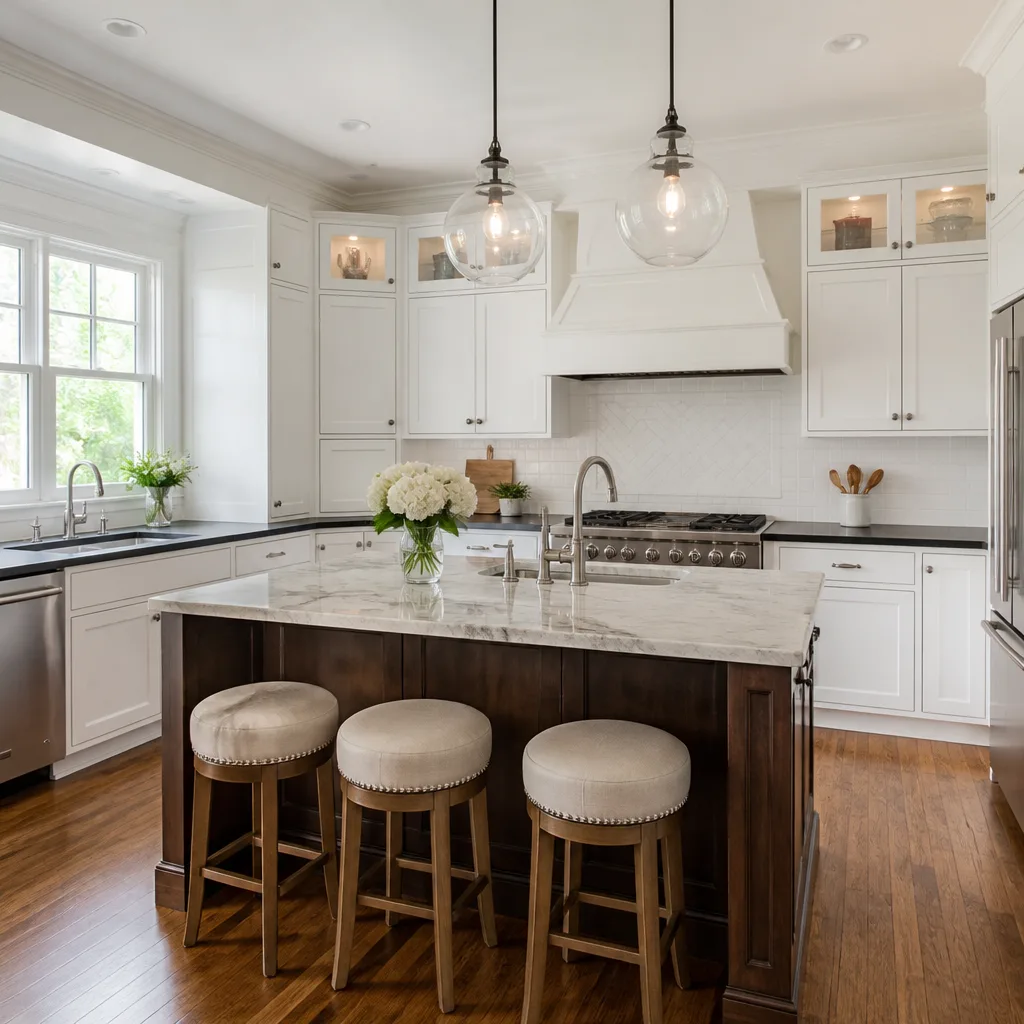
A tenant improvement is any modification to the interior of an existing structure that does not change its footprint, structural system, or occupancy classification. In Los Angeles residential terms, this means kitchen and bathroom remodels within existing walls, flooring replacement, window retrofits in the same openings, and finish work. Tenant improvements still require permits when they touch plumbing, electrical, or mechanical systems, but they typically move through plan check faster because no structural review is triggered. Our Kitchen Remodeling in Los Angeles work falls squarely in this category most of the time.
ADU Addition
Accessory dwelling units are a distinct category under California state law, and Los Angeles has been aggressive about streamlining approvals. ADUs carry their own ministerial approval path, which means the city cannot impose discretionary review or deny a conforming ADU application. What surprises homeowners is that even a detached ADU triggers full structural and utility scope: new foundation, separate electrical service or subpanel, plumbing tie-ins, and often a separate water heater. This is not a shed with drywall. It is a second residence, and it is priced and permitted as such.
Full Remodel
A full remodel changes the footprint, touches load-bearing walls, or reconfigures the home’s systems at a scale that requires stamped plans and structural engineering. If you are moving a wall, opening the roof to any degree, adding square footage, or replacing a foundation section, you are in this category. Full remodels also trigger more comprehensive inspection schedules: rough-in, shearwall, nailing, insulation, and final. Our Home Remodeling in Los Angeles projects run through this path more often than not, and our written scope includes every inspection point before the crew ever mobilizes.
Seismic Zones and Northridge Code Updates: What Pre-1994 Homes Face
The 1994 Northridge earthquake rewrote Los Angeles building code in ways that still affect your remodel costs today. Homes permitted before the post-Northridge code revisions were not built to the current seismic standards, and the moment you pull a permit that touches structural elements, the city can require you to bring portions of the building up to current code. This is not a contractor upselling you. It is the law.
Here is what changes between a 1985 house and a 2005 house when you open walls:
- Shear wall requirements. Post-Northridge code demands more substantial plywood shear panels and hold-down hardware at foundation connections. A pre-1994 wall that comes open during a remodel usually needs upgrading before it can be closed back up.
- Water heater strapping and bracing. Older installations must be double-strapped and anchored to current specifications any time the unit is relocated or the wall behind it is opened.
- Foundation bolting. If your retrofit scope exposes the sill plate, the inspector checks for proper anchor bolts at specified spacing. Homes that never got retrofitted will be flagged.
- Cripple wall bracing. The short stud walls between foundation and first floor are a known Northridge failure point, and the city takes them seriously.
The practical cost impact in Los Angeles is real. A “simple” wall removal in a 1962 house often becomes a shear wall upgrade with engineering, additional nailing, and hold-down hardware that adds $4,000 to $12,000 depending on the wall length and the engineer’s stamp fees. We’ve seen this surprise enough homeowners that we now flag it in our written estimates before the saws start. You should know the number before demolition, not after the inspector writes a correction.
HPOZ and HOA Review: The Hidden Veto Layers
A building permit from the City of Los Angeles does not mean unrestricted authority to build. Two overlay layers can stop permitted work cold: Historic Preservation Overlay Zones and private HOA design review. Both operate before or parallel to the permit path, and both can veto changes that the building department would otherwise approve.
HPOZ: What It Covers
Los Angeles has over 35 HPOZ districts, including Angelino Heights, Carthay Circle, Hancock Park, Jefferson Park, and Whitley Heights. Within an HPOZ, the exterior of your home is subject to design review by a five-member board appointed by the City Council. Window replacement, roofline changes, porch alterations, and even paint colors can require a Certificate of Appropriateness before the building permit is issued. The review process runs through the Office of Historic Resources, and a denial at this level stops the permit application regardless of structural compliance.
Check whether your parcel falls inside an HPOZ by searching the city’s ZIMAS portal by address. The overlay designation appears in the zoning summary. If you’re in one, assume four to eight weeks of design review before your permit clock even starts.
HOA Design Review
Private covenants are not waived by a city permit. HOA CC&Rs commonly restrict exterior colors, rooflines, fence heights, and even driveway materials. An HOA architectural review committee can deny a change that the city approved, and the denial is enforceable through civil fines and liens. Bradford Remodeling confirms HOA submittal calendars as part of pre-construction planning on any exterior-touching scope. The job is not squared away until both the city and the association have signed off.
The Permit Matrix: What Needs a Permit, a License, or an Owner-Builder
California and Los Angeles draw three lines around construction work: permits for code compliance, contractor licensing for structural and multi-trade work, and an owner-builder exemption that applies in narrow circumstances. Here is the practical matrix for the most common Los Angeles project types.
| Project Type | Permit Required? | Licensed Contractor Required? | Can Owner-Build? |
|---|---|---|---|
| Kitchen remodel with plumbing relocation | Yes (mechanical, electrical, plumbing) | Yes, for any work over $500 in combined labor and materials | Only if the property is your primary residence and you do the work yourself |
| Bathroom remodel in existing footprint | Yes | Yes | Owner-builder allowed, but the new owner cannot sell for 12 months after completion |
| Roof replacement (like for like) | Yes (reroof permit) | Yes, for any roof over 25 squares or any structural repair | Owner-builder allowed with a reroof permit |
| ADU conversion of existing garage | Yes (full plan check) | Yes | Not recommended; full structural and utility scope |
| Exterior paint only | No (unless HPOZ or HOA review applies) | No | Yes |
| Deck replacement at same elevation | Yes | Yes | Owner-builder allowed with permit and inspection |
| Window replacement in same openings | Yes (fenestration permit) | No, but manufacturer specs must meet Title 24 energy requirements | Yes |
Two notes on the owner-builder path. First, California’s owner-builder exemption requires that you perform the work yourself or act as your own general contractor; you cannot hire an unlicensed contractor to work under your owner-builder permit. Second, an owner-builder property cannot be sold within one year of completion without either a licensed contractor signing off on the work or a full inspection by the city. If you plan to sell, the owner-builder path usually costs more in the long run than hiring a licensed General Contractor in Los Angeles from the start.
Realistic Cost Ranges for Los Angeles Construction
Los Angeles construction pricing runs 15 to 25 percent above the national average for comparable work. The drivers are specific: higher labor rates due to prevailing wage laws on certain public-adjacent projects, seismic upgrade requirements that don’t exist in Dallas or Phoenix, plan check fees that vary by jurisdiction, and material delivery costs through LA traffic corridors. Here are honest ranges based on what we see across the county.
| Project Type | Typical Los Angeles Range | What Drives the Spread |
|---|---|---|
| Kitchen remodel (full, mid-range) | $65,000 to $135,000 | Cabinet grade (stock vs. KraftMaid vs. custom), appliance package, plumbing relocation, electrical service load |
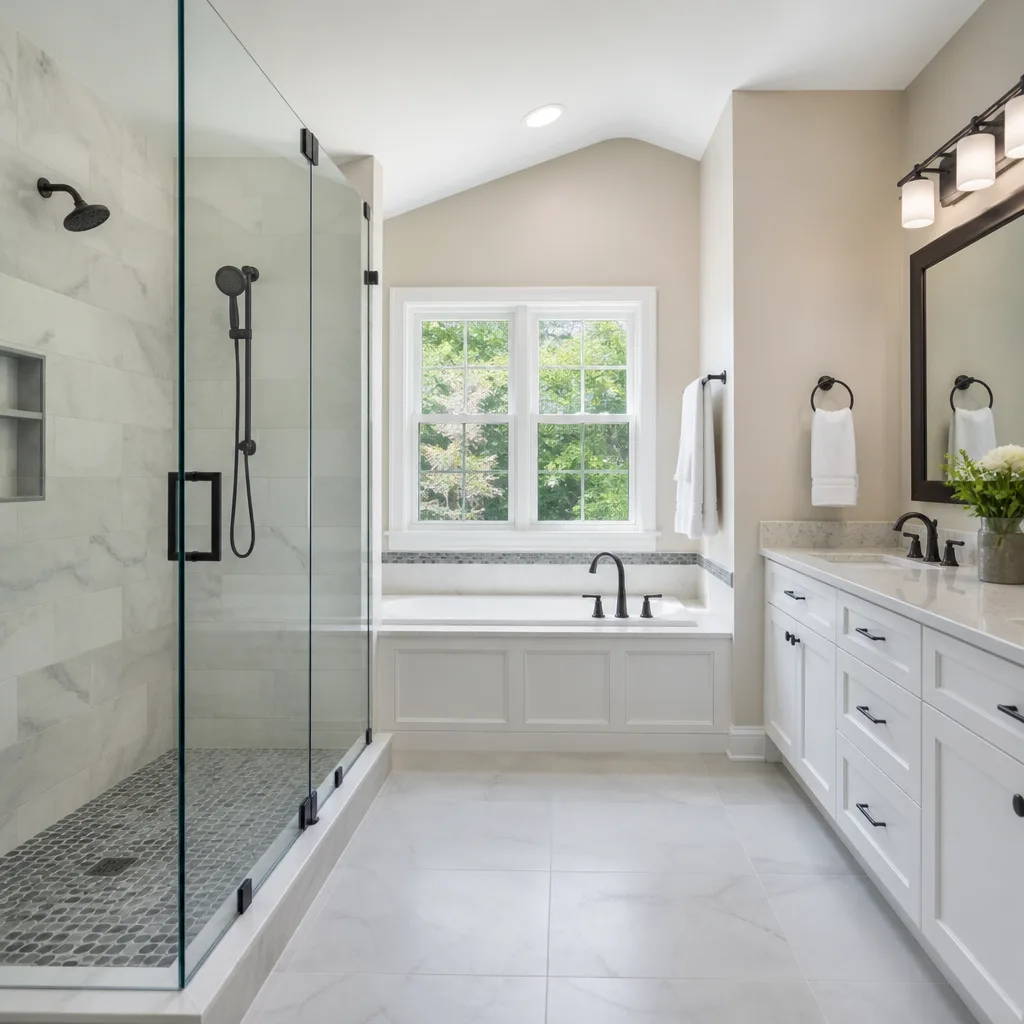
| Primary bathroom remodel | $35,000 to $75,000 | Wet area waterproofing, tile scope, plumbing reroute, fixture tier (Moen vs. Kohler vs. high-end import) |
| Detached ADU (400-600 sq ft) | $250,000 to $400,000 | Foundation and shearwall engineering, utility trenching, solar-ready wiring requirement, sprinkler triggers |
| Whole-home remodel (1,500-2,000 sq ft) | $250,000 to $500,000+ | Seismic retrofit scope, electrical service upgrade to 200 amps, dry rot discovery, HPOZ review timeline |
| Reroof with GAF or CertainTeed materials | $18,000 to $45,000 | Roof pitch, number of layers removed, plywood replacement, Title 24 cool roof requirement |
These numbers are not bids. They are planning ranges so you can test whether a contractor’s quote is reasonable before you sign. Bradford Remodeling’s written price policy exists precisely because of how much variance lives inside these spreads. When you get a written price before any work starts, the number does not move at the door, and the scope of what’s included is in writing alongside the price. That is the difference between an estimate and a commitment.
How Bradford Remodeling Approaches Construction in Los Angeles
At Bradford Remodeling, we operate under The Garrison Standard, the operating framework set by Garrison Partners, which we’ve been part of since 2004. The Standard is simple to state and harder to live by: every price in writing before any work starts, every technician background-checked and uniformed, every completed project covered by a written 365-Day Done Right Promise, and every phone call answered by a live person, 24 hours a day, seven days a week.
The 365-Day Done Right Promise is not a marketing phrase. It is a written guarantee attached to every completed project. If the work fails inside that one-year window, Bradford Remodeling returns and corrects it at no charge. No prorated language, no fine-print exclusions beyond normal wear and tear. When a homeowner has been burned by a contractor who disappeared the week after final payment, that one-year written promise is the thing that actually means something.
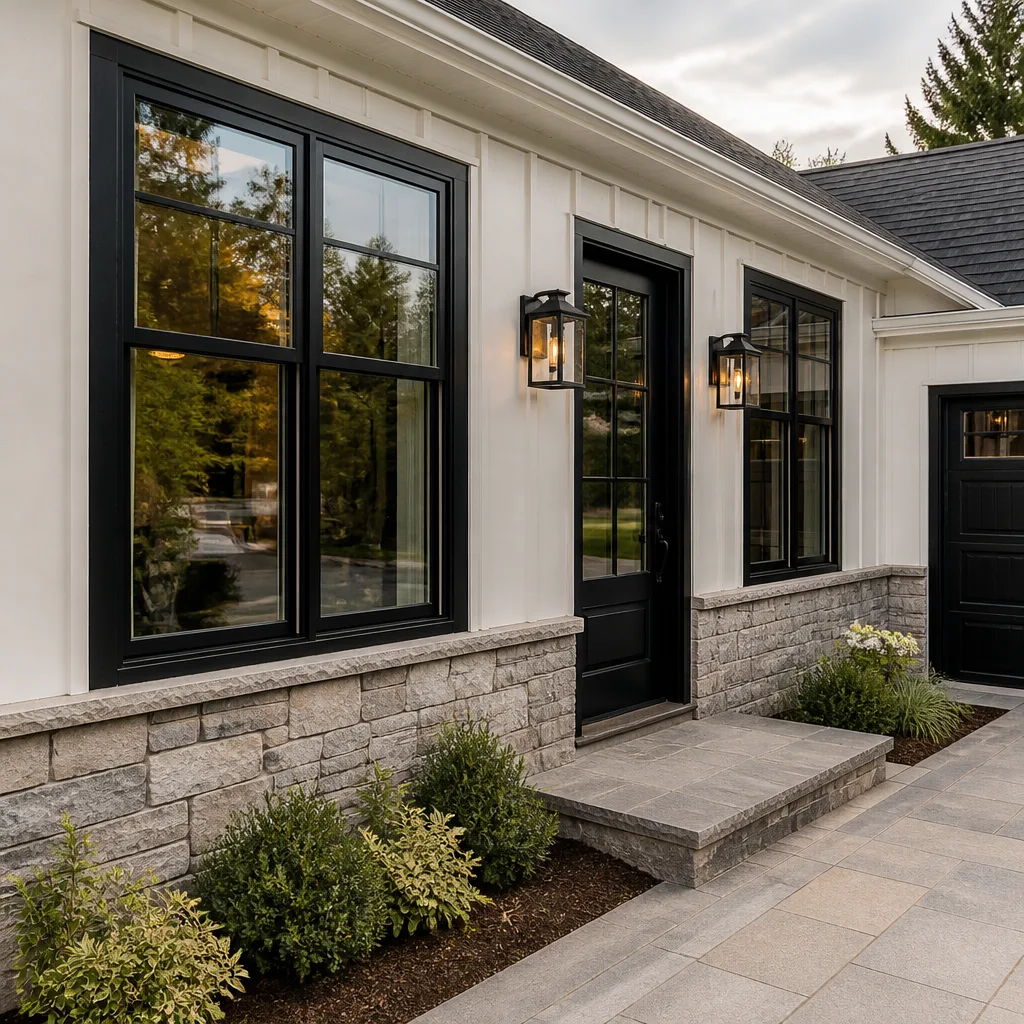
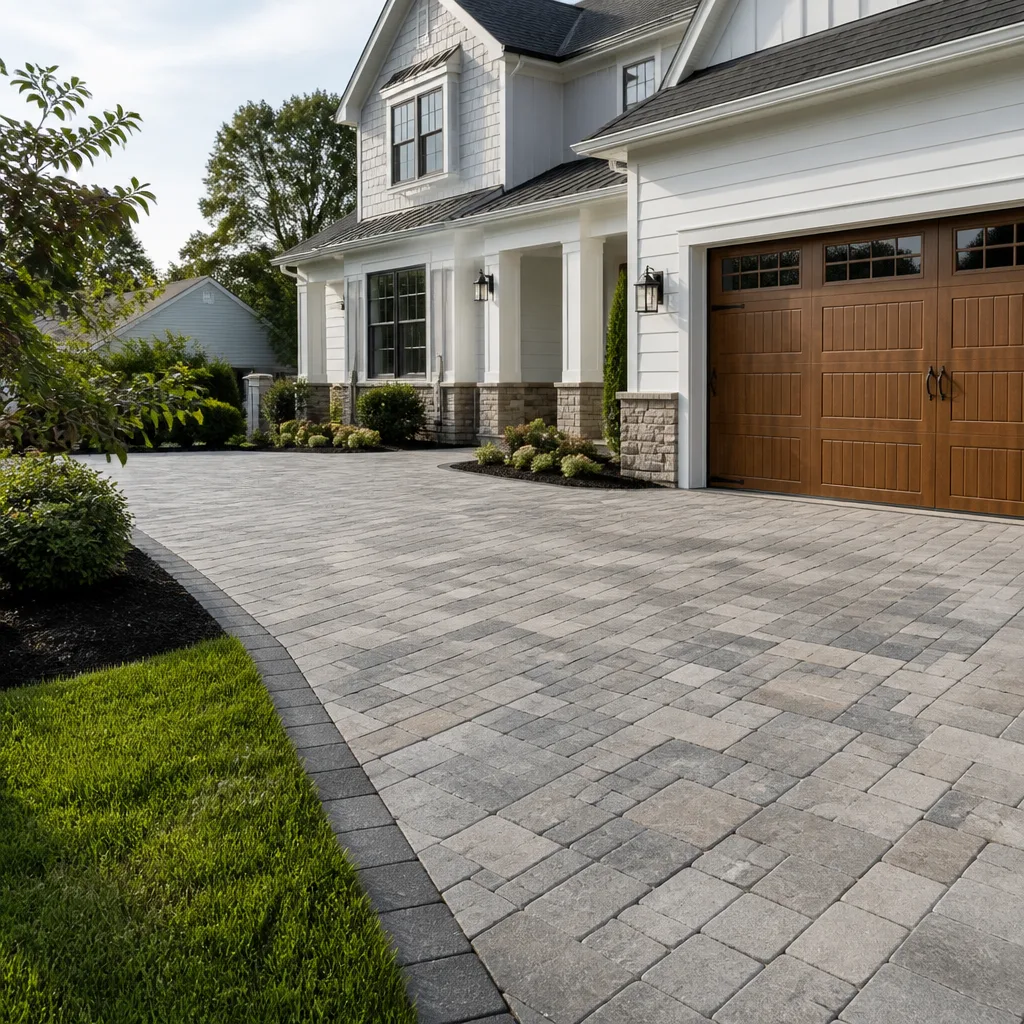
Materials matter in Los Angeles because the environment punishes shortcuts. Salt air in coastal zones corrodes cheap hardware. UV exposure fades low-grade finishes. Seismic movement opens gaps in poorly framed additions. We specify documented brands with manufacturer warranties that back our own guarantee: KraftMaid and Wellborn cabinetry, Cambria and Caesarstone surfaces, Kohler and Moen fixtures, GAF and James Hardie exterior products, Therma-Tru doors, and Belgard and Techo-Bloc hardscaping. Every product is traceable to a manufacturer spec sheet, so quality is never left to guesswork.
Our Bradford Remodeling home scope centers on general contracting, kitchen remodeling, and whole-home remodeling. We are not a handyman service that dabbles in everything. We are a remodeling contractor that goes deep on the project types where Los Angeles code complexity is highest, and we price them in writing before the first tool comes out.
Common Mistakes to Avoid
- Signing before confirming jurisdiction. A contractor who files with LADBS for a Burbank property costs you three weeks of plan check resets and likely a resubmission fee. Confirm the authority yourself in one phone call.
- Ignoring the seismic retrofit trigger. Opening a wall in a pre-1994 home almost always triggers shear wall upgrades. If the quote does not mention seismic scope, the price will change once the inspector sees the framing.
- Treating an ADU like a remodel. ADUs trigger utility service reviews, solar-ready requirements, and sometimes fire sprinkler scoping. A quote that looks like a remodel price is not a complete ADU price.
- Skipping the HPOZ check. Even replacing windows in an HPOZ can require design review. The permit counter’s approval does not override the HPOZ board’s denial.
- Hiring on hourly rates without a written scope. Hourly construction work in Los Angeles without a written scope and price is an open invitation for the bill to drift. A written price with a documented scope is the only thing that holds.
- Owner-building a project you plan to sell within a year. The one-year resale restriction on owner-built work can kill a sale or force a costly retrofit inspection. If selling is on the horizon, use a licensed contractor.
- Assuming the city permit covers HOA restrictions. HOA CC&Rs are civil contracts, not city ordinances. Get both approvals, in writing, before work starts.
When to Call a Professional
Call a professional when the work touches structural elements, electrical systems, gas lines, or any scope that triggers seismic review. These are not DIY categories, and in Los Angeles, unpermitted structural modification is a disclosure problem when you sell and a safety problem while you live there. If your project involves load-bearing walls, foundation work, ADU construction, or a full remodel with plumbing and electrical migration, bring in a licensed general contractor who carries the written guarantees that hold up.
Bradford Remodeling offers free estimates in Los Angeles. Call (903) 568-7222 for a written price on your project, no numbers moving at the door and no ambiguity about scope. Curtis Lane and our team will walk your project category, jurisdiction, and realistic cost range before you sign anything.
Frequently Asked Questions
A full home remodel in Los Angeles for a 1,500 to 2,000 square foot house typically runs $250,000 to $500,000 or more, driven by seismic retrofit scope, electrical service upgrades, and finish material choices. The spread is wide because pre-1994 homes may need significant structural upgrades the moment walls open, while newer post-2005 construction moves through with less correction work. Call (903) 568-7222 for a written price on your specific property.
A kitchen remodel in Los Angeles requires electrical, plumbing, and mechanical permits any time those systems are modified, plus a building permit if walls are altered or the layout changes floor structure. If your property is in an HPOZ and the remodel changes the exterior appearance, you also need a Certificate of Appropriateness before the building permit issues. We handle the full permit package as part of our written scope.
Yes. ADU construction in Los Angeles requires a California licensed general contractor for any project over $500 in combined labor and materials, and ADUs involve structural, utility, and energy compliance scope that makes the owner-builder path impractical for most homeowners. The state’s owner-builder resale restriction also makes an ADU built without a licensed contractor a liability at sale time.
Over-the-counter permits for simple tenant improvements can issue same-day at some Los Angeles counters, while full plan checks for ADUs or structural remodels typically run 6 to 12 weeks depending on the jurisdiction, with HPOZ design review adding 4 to 8 weeks on top. The jurisdiction variable is the one homeowners most often underestimate. Confirm your governing agency before you start the clock.
The 365-Day Done Right Promise is Bradford Remodeling’s written guarantee on every completed project: if the work fails within one year, we return and correct it at no charge. The guarantee is provided in writing at job close, alongside the documented scope and final inspection sign-off, so the homeowner leaves with the promise in hand, not in a sales brochure.
California’s owner-builder exemption allows a homeowner to act as their own general contractor on their primary residence, but the work must be performed by the owner or by properly licensed subcontractors, and the property cannot be sold within one year of completion without additional inspection or licensed contractor sign-off. Most homeowners find the coordination burden and resale restriction outweigh the savings.
The Bottom Line
Construction in Los Angeles succeeds or stalls based on what you confirm in the first week: your governing jurisdiction, your seismic upgrade triggers, your HPOZ or HOA review layers, and your project’s permit category. The 88-city patchwork is not an obstacle to work around; it is the terrain every competent contractor should already know. A written price, a documented scope, and a written one-year guarantee are the only protections that hold up when a project gets complicated. Bradford Remodeling has held to The Garrison Standard since 2004 because Los Angeles homeowners deserve a contractor whose word comes in writing. For more guides & resources, explore our blog, or call (903) 568-7222 for a free estimate, and we’ll give you real numbers for your specific parcel, not ranges for someone else’s house.
Written by Curtis Lane, Owner at Bradford Remodeling, serving Los Angeles since 2004.
See the difference
 Before
 After
After Before
 After
After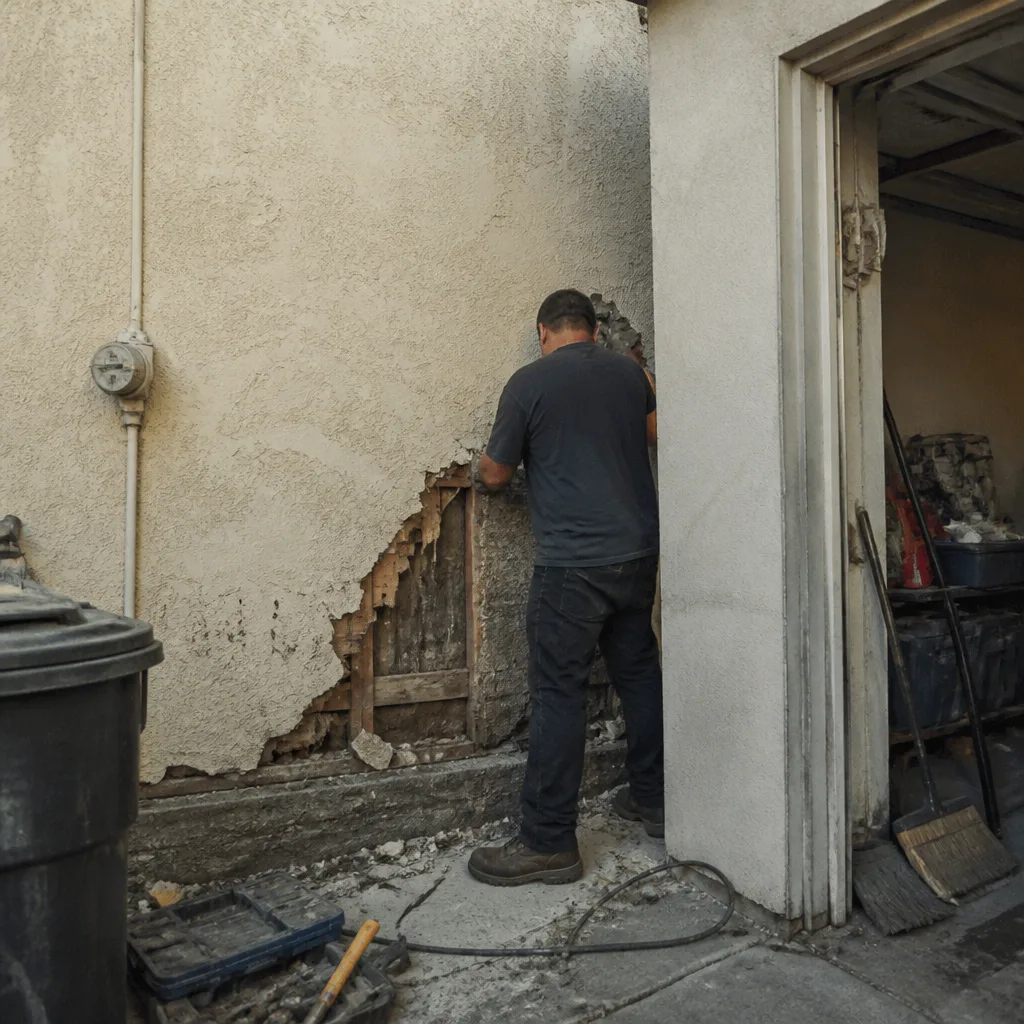 Before
 After
After