Last updated October 9, 2026
Free written scope consultation - allowances, timeline, and change-order rules on paper before a single trade is scheduled
The Complete Kitchen Remodeling Guide for Los Angeles Homeowners
The national average kitchen remodel figure floating around online is roughly $27,000. In Los Angeles, a full gut remodel of a mid-city kitchen routinely lands between $60,000 and $120,000. The gap isn’t contractor markup. It’s the LA labor market, permit fees, and California code requirements that never make it into those national cost guides. This guide gives you the real numbers, the real sequence of work, and the real contract structure you need before you write a check. If you’re planning a kitchen remodel in Los Angeles, you need the local picture, not a generic one.
Quick Answer
A full kitchen remodel in Los Angeles typically costs $60,000 to $120,000 for a mid-city home, with permits adding $1,500 to $4,000 depending on scope, as detailed in our Construction Cost Breakdown: The Los Angeles Homeowner’s Reference for 2026. You need a permit the moment you move a wall, relocate a drain, or alter electrical circuits, and Title 24 energy compliance is mandatory for any lighting change. Hiring a licensed contractor who puts a written price and a written guarantee in front of you before demo day is the single biggest factor in whether the job finishes on budget.
Styles & brands we work with


Table of Contents
- What a Los Angeles Kitchen Remodel Actually Costs
- When a Kitchen Remodel Triggers a Permit in LA
- How to Evaluate Cabinet Bids: Face-Frame, Frameless, and Semi-Custom
- The Correct Sequence of a Kitchen Remodel by Trade
- How to Structure a Kitchen Remodel Contract That Protects You
- Title 24 and Seismic Code: What LA Requires
- How Long a Kitchen Remodel Takes in Los Angeles
- Common Mistakes to Avoid
- When to Call a Professional
- Frequently Asked Questions
What a Los Angeles Kitchen Remodel Actually Costs
Here’s the straight breakdown by trade. These are real ranges for Los Angeles County work in 2025 and 2026, pulled from what we see on active job sites across the city, from West Adams to Los Feliz. Labor rates in LA run higher than most national guides assume because union presence, workers’ comp requirements, and the cost of doing business in California all factor into every hour billed.
- Demo and hauling: $2,000 – $5,000. Includes disposal fees, which are higher in LA due to landfill tipping costs and weight-based pricing at transfer stations.
- Framing: $3,000 – $8,000. This applies only if you’re moving or removing walls. Structural changes require an engineer’s letter and plan check, which is separate from the framing labor itself.
- Plumbing rough-in: $4,000 – $9,000. Relocating a sink or adding a pot filler means cutting into the slab or opening walls. In older LA homes with cast iron drains, add $2,000 – $4,000 for replacement once the wall is open.
- Electrical rough-in: $5,000 – $12,000. This includes new circuits for appliances, GFCI protection, and Title 24 lighting compliance. Recessed lighting in a typical 200-square-foot LA kitchen runs $1,800 – $3,500 installed.
- Tile and flooring: $4,000 – $10,000. Material choice moves this number more than labor. Large-format porcelain costs more to install than ceramic because it demands a flatter substrate.
- Cabinetry: $15,000 – $40,000. Semi-custom from KraftMaid or Wellborn, installed, with soft-close hardware. Stock boxes from a big-box store land at the low end, fully custom at the high end.
- Countertops: $4,000 – $12,000. Quartz from Cambria or Silestone runs $75 – $150 per square foot installed. Natural stone adds fabrication complexity and periodic sealing.
- Permits and plan check: $1,500 – $4,000. Depends on scope and whether you need structural or Title 24 documentation.
- Finish work and paint: $3,000 – $7,000. Backsplash, trim, hardware, and painting the entire kitchen including ceilings after drywall repair.
Those numbers assume a 150 to 250 square foot kitchen, which covers most single-family homes in LA built between 1930 and 1980. Larger kitchens in newer construction, or anything in a high-rise with crane time for material delivery, will push higher. A kitchen in a Beverly Hills estate is a different job than a kitchen in a 1950s bungalow in Van Nuys. Before you talk to any contractor about kitchen remodeling in Los Angeles, get clear on your square footage and whether you’re moving plumbing. Those two factors move the price more than anything else.
When a Kitchen Remodel Triggers a Permit in LA
Here’s the line that matters. You do not need a permit to paint, replace cabinet doors and drawer fronts, swap a faucet, install a new garbage disposal on the existing circuit, or replace a light fixture with a comparable one. You do need a permit when you move a wall, alter the structural framing, relocate a drain or water line, add new electrical circuits, change the electrical panel, or install gas lines. The Los Angeles Department of Building and Safety enforces this through plan check, and unpermitted work becomes a problem when you sell, refinance, or file an insurance claim.
Any kitchen remodel that opens walls will require a permit. In LA, that means a building permit for structural and a separate electrical and plumbing permit, pulled through LADBS. Plan check typically takes two to six weeks depending on the current queue and whether your project needs structural review. Here’s the sequence we follow on every general contractor in Los Angeles project we run:
- Scope definition: We document exactly what changes before drawings go to the city. Moving a sink is a plumbing permit. Moving a wall is structural. Both together means a longer plan check.
- Drawings and engineering: If a wall comes out, a licensed engineer stamps the beam calculation. LADBS will not accept an unstamped letter for structural changes.
- Plan check submission: Drawings, scope letter, and Title 24 compliance forms go to LADBS. Fees are calculated on project valuation.
- Plan check approval: The city reviews and either approves, requests corrections, or schedules a meeting. Corrections are normal on first submittal in LA.
- Permit issuance: Once approved, the permit is paid for and issued. Work cannot start before this happens.
- Rough-in inspections: After framing, plumbing, and electrical are in the wall but before drywall closes, LADBS inspectors visit the site. They check framing connections, pipe slope, wire gauge, and Title 24 compliance.
- Final inspection: After finish work is complete, the inspector signs off. The permit is closed and documented.
Skipping permits to save money is the most expensive shortcut in Los Angeles home remodeling. We’ve seen unpermitted kitchens flagged during escrow, forcing sellers to either tear out finished work or negotiate a credit. And in some cases, the buyer’s lender refuses to fund until the permit is retroactively pulled, which means opening walls that were already closed.
How to Evaluate Cabinet Bids: Face-Frame, Frameless, and Semi-Custom
Cabinet bids in LA vary by tens of thousands of dollars, and most of that variation is construction method, not brand markup. You need to know the three categories and what each one costs from local suppliers before you compare bids.
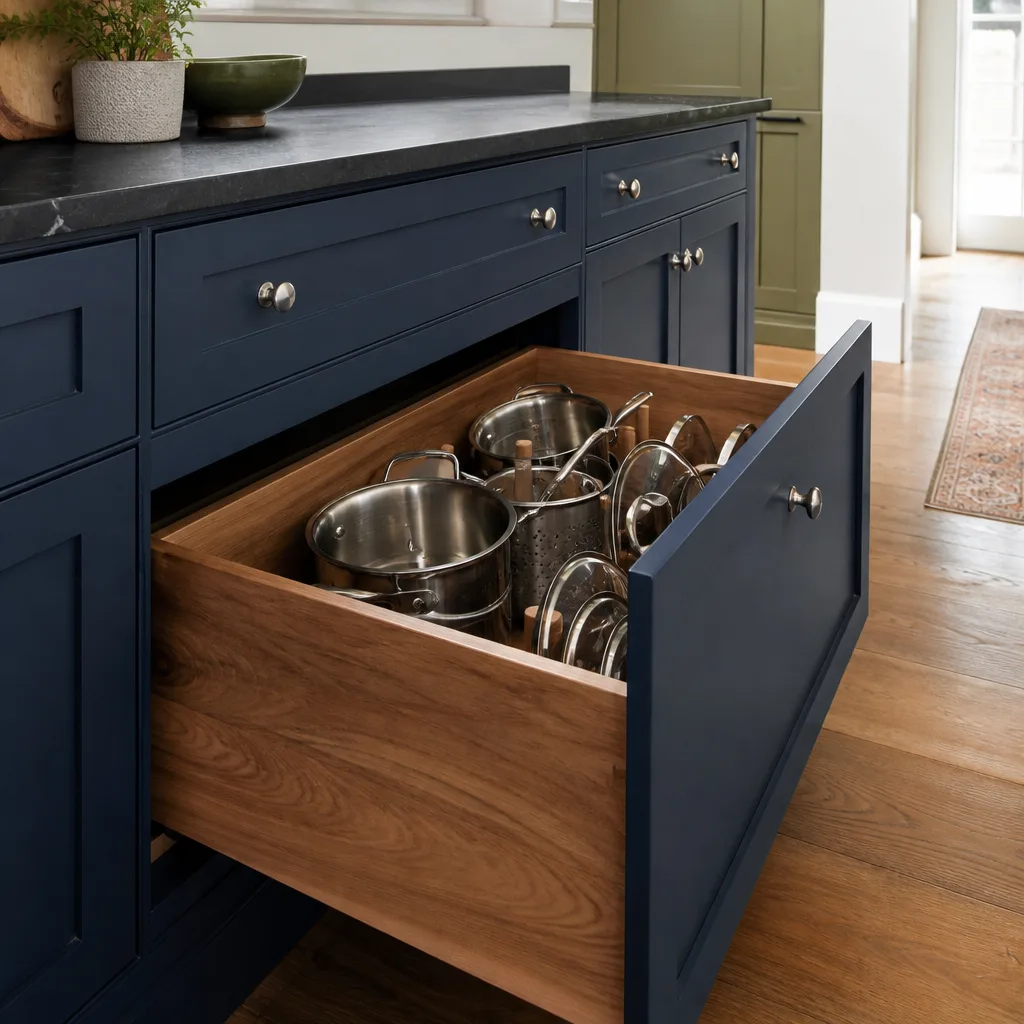
Face-frame cabinets are the traditional American style: a solid hardwood frame attached to the front of the cabinet box, with doors and drawers mounted to that frame. The frame adds rigidity and lets hinges mount to solid wood instead of particleboard. In Los Angeles, face-frame semi-custom lines from manufacturers like KraftMaid run $300 – $600 per linear foot installed. The look is more traditional, and the frame reduces interior opening width by about an inch and a half.
Frameless cabinets, also called European style, have no face frame. Doors mount directly to the cabinet box sides. The result is a wider drawer opening and a cleaner, more contemporary line. Frameless construction demands a thicker box panel, usually 3/4 inch, and that material is not cheap. Expect $400 – $800 per linear foot installed from LA suppliers carrying brands like Wellborn’s frameless lines.
Semi-custom refers to the level of modification available, not the construction method. A semi-custom line lets you change depths, add roll-outs, specify drawer stacks instead of shelves, and adjust filler widths to fit your exact wall dimensions. Stock cabinets come in fixed sizes and the installer fills gaps with filler strips. Custom cabinets are built to any dimension from a local shop, and in LA that means $800 – $1,500 per linear foot, with lead times of 10 to 16 weeks.
Here’s what to ask on every cabinet bid:
- What is the box construction? 3/4-inch plywood costs more than 1/2-inch particleboard and lasts longer, especially in coastal LA neighborhoods where humidity pushes into the kitchen.
- What hardware is included? Soft-close hinges and drawer slides from Blum or Grass should be listed by name, not “premium hardware.”
- Is the finish catalyzed or UV-cured? Factory finishes from KraftMaid and Wellborn are baked on and far more durable than site-applied finishes.
- What is the lead time? LA suppliers quote 4 to 12 weeks depending on the line and time of year. A bid without a lead time is a guess.
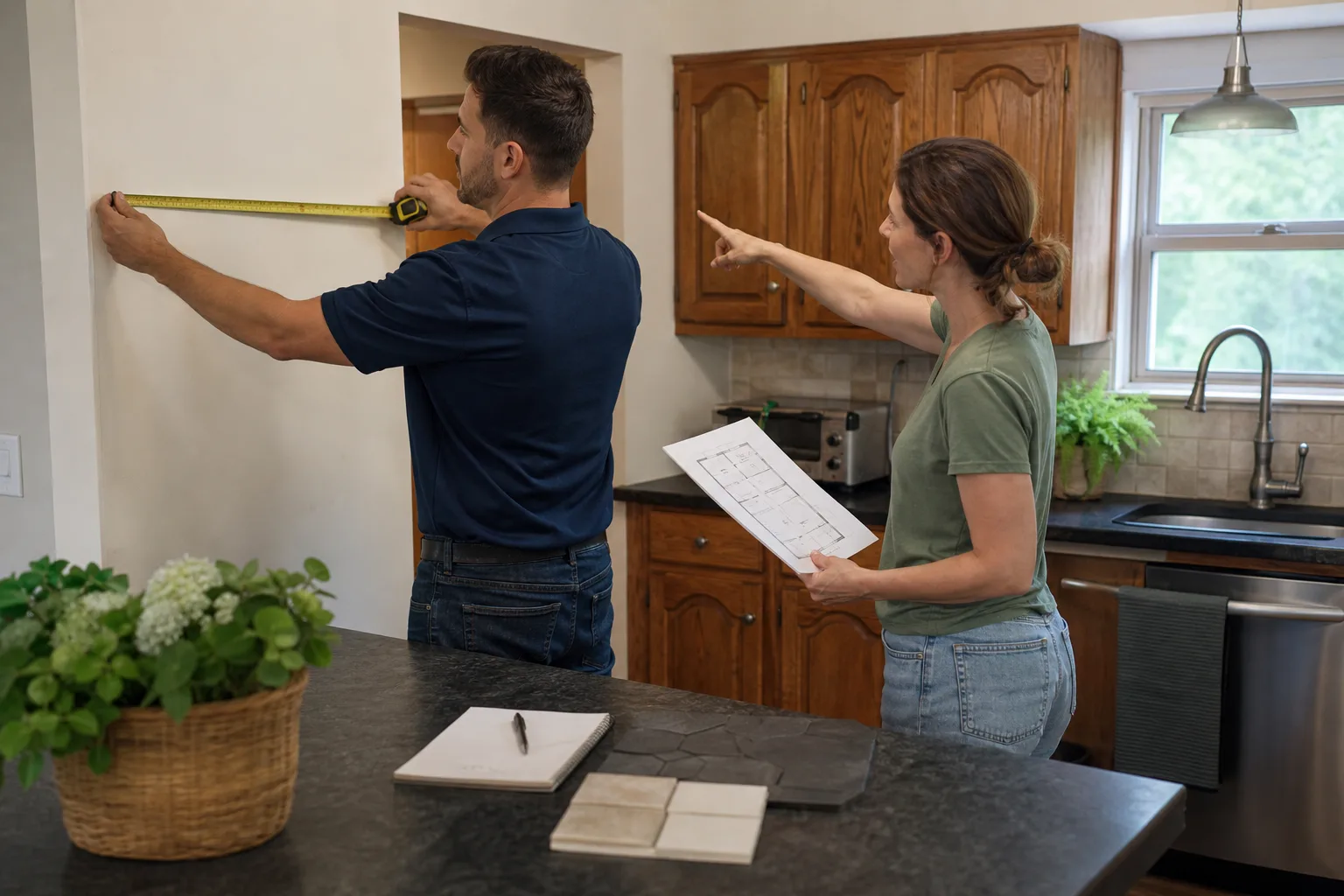
- Who measures? The contractor should measure, not the homeowner. A half-inch error on a wall measurement creates a gap no amount of caulk will hide.
Cabinetry is typically 30 to 40 percent of a full kitchen remodel budget in Los Angeles. It’s the line item where you should spend the most time comparing bids, because the price variation is widest and the quality difference is hardest to undo after installation.
The Correct Sequence of a Kitchen Remodel by Trade
Getting the order of trades wrong in a kitchen remodel does not just delay the job. It creates rework that doubles the cost of the affected scope. This is the sequence Bradford Remodeling runs on every full kitchen we do in Los Angeles, and it exists because the alternative produces exactly the kind of mess that gives remodeling a bad name.
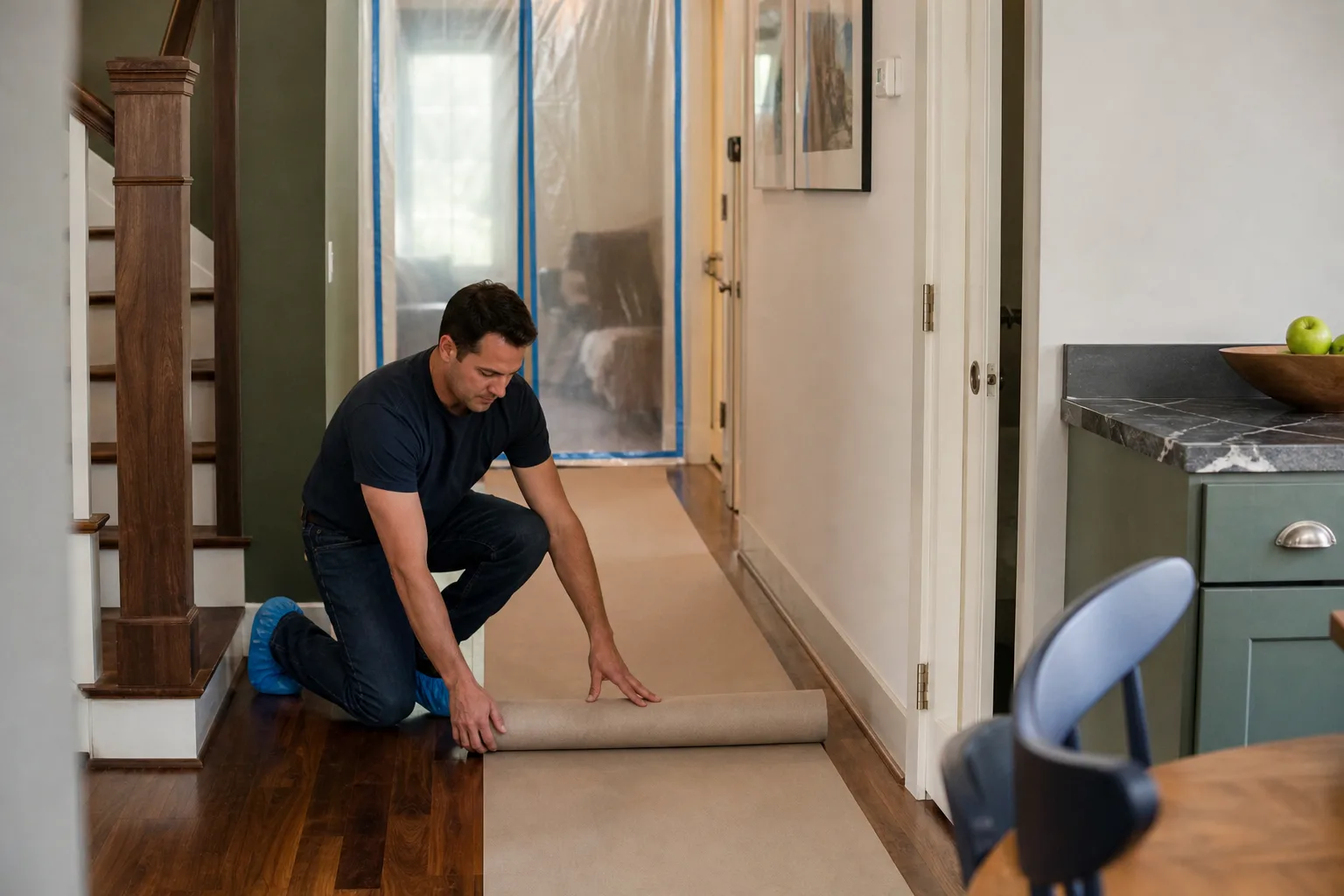
- Demolition: Everything comes out down to the studs and subfloor. The site is protected with floor coverings and dust barriers. In older LA homes, this is when we find what’s behind the walls: live knob-and-tube wiring, cast iron drains, or termite damage. Each one changes scope and cost.
- Framing and structural work: If walls move, the new framing goes in and the engineer’s specified beams are set. This must happen before any rough-in work begins.
- Rough-in plumbing: Drain lines, supply lines, and venting are installed in the open walls. The drain is set at the correct height for the sink. If tile goes in before the drain is set, the plumber cuts the new tile to fix a misaligned pipe.
- Rough-in electrical: New circuits, switch locations, and recessed light housings go in. Title 24 documentation happens here, because the inspector verifies fixture types and circuit loads at rough-in inspection.
- Rough-in inspection: LADBS inspects framing, plumbing, and electrical before any drywall closes. This is a hard stop. Skipping it means opening walls later.
- Insulation and drywall: After inspection passes, insulation goes in exterior walls and drywall closes everything up. Drywall finishing takes three to five days including mud drying time.
- Flooring installation: Tile or wood goes in before cabinets so the floor runs wall to wall. Cabinets sit on top of finished flooring.
- Cabinet installation: Boxes are set, doors and drawers mounted, hardware adjusted. This is typically a two to three day process for a full kitchen.
- Countertop template and fabrication: After cabinets are set, the countertop fabricator laser-templates the exact dimensions. Fabrication takes one to three weeks. Then the slabs are installed and seams epoxied.
- Finish plumbing and electrical: Faucet, disposal, appliances, light fixtures, outlets, and switches go in. Title 24-compliant fixtures are verified.
- Backsplash and finish work: Tile backsplash goes in after countertops. Trim, hardware, paint touch-up, and final clean happen last.
- Final inspection: LADBS signs off and the permit is closed.
The most common sequence error we see is tile installed before rough-in inspection. A homeowner or a rushed contractor closes a wall to keep the job moving, then the inspector requires the wall to be opened because they cannot verify the work inside. That single mistake can cost $2,000 to $5,000 in rework and add two weeks to the schedule. The sequence above exists to prevent exactly that.
How to Structure a Kitchen Remodel Contract That Protects You
A kitchen remodel contract in Los Angeles should tie payments to completed inspections, not calendar dates. Calendar-based payments create pressure to bill on schedule even when the work is behind. Inspection-based payments create a natural check: the city verifies the work before you pay for it.
Here is the structure we recommend for any full kitchen remodel, and the structure we use at Bradford Remodeling on every project.
- Initial deposit: 10 to 20 percent. This covers permitting, engineering, and material deposits. It should never be more than 20 percent, and California law caps the down payment for home improvement contracts at $1,000 or 10 percent, whichever is less, for most residential projects unless specific exemptions apply. A contractor asking for 30 percent or 50 percent down in LA is asking you to finance their other jobs.
- Payment after rough-in inspection passes: 30 percent. The framing, plumbing, and electrical are in the wall and the city has verified them. This is the single most important milestone in the contract.
- Payment after drywall and cabinets: 30 percent. The kitchen starts to look like a kitchen. The structural risk is mostly behind you.
- Payment after countertop installation: 15 percent. The largest material line item is in place and verified.
- Final payment after final inspection passes and punch list is complete: 15 percent. Nothing is paid in full until LADBS closes the permit and every punch list item is resolved in writing.
The contract itself should specify the exact cabinet line, countertop material and color, fixture brands, hardware finishes, and appliance provisions. Every change order must be in writing with a price attached before the work changes. A verbal agreement in the middle of a Los Angeles kitchen remodel is how a $100,000 job becomes a $135,000 job.
At Bradford Remodeling, we put every price in writing before a single tool comes out. That is not a courtesy. That is The Garrison Standard, the operating framework every Garrison Partners location has been held to since 2004. A written price is the baseline. The 365-Day Done Right Promise extends the commitment: if the work fails within a year of completion, we return and correct it at no charge. Every completed project leaves with a signed written guarantee in the homeowner’s hand. That is what “squared away” looks like at close: clean site, documented scope, signed guarantee, closed permit.
Title 24 and Seismic Code: What LA Requires
Two California requirements appear in nearly every Los Angeles kitchen remodel and almost never appear in national cost guides. The first is Title 24 energy compliance. The second is seismic strapping for appliances and water heaters.
Title 24 is California’s building energy efficiency standard. For kitchens, it means every permanently installed light fixture must be high-efficacy. Every switched outlet counts toward the total wattage calculation. Recessed lighting must be rated for insulation contact. Exhaust fans must meet airflow and sound requirements. When you change more than a certain percentage of the kitchen’s lighting, you may be required to bring the entire room into compliance, which can mean adding motion sensors or dimmers where none existed.
In practice, Title 24 compliance on a full LA kitchen remodel adds $1,500 to $3,500 to the electrical scope. It also requires documentation: a certified Title 24 compliance form must accompany the permit application, and the inspector verifies the installed fixtures against that form at final inspection. Ignoring Title 24 is not an option. LADBS will not close the permit without it.
Seismic strapping applies to gas appliances and water heaters. California law requires that any gas range, gas cooktop, or gas water heater installed in a remodel be secured against movement during an earthquake. For a range, that means an anti-tip bracket anchored to the floor or wall. For a water heater, it means steel strapping secured to the framing. In Los Angeles, where seismic risk is a daily reality, the inspector checks for this at final inspection-one reason we publish our Construction Emergency Preparedness Guide for Los Angeles Homes. The cost is modest, usually $200 to $800, but the requirement is non-negotiable.
These are not options or upgrades. They are the cost of doing permitted work in Los Angeles. Any contractor who tells you they can skip Title 24 or seismic strapping to save money is telling you they do not intend to pull a permit. That is a warning sign, not a bargain.
How Long a Kitchen Remodel Takes in Los Angeles
A full kitchen remodel in Los Angeles takes 8 to 14 weeks from demo to final inspection, assuming no structural surprises and a responsive plan check queue. Here is the honest breakdown of where the time goes.
- Plan check and permitting: 2 to 6 weeks. LADBS plan check wait times fluctuate. Structural review adds time. A simple plumbing and electrical scope moves faster than a wall removal with engineering.
- Demolition and framing: 1 to 2 weeks. Straightforward unless the walls reveal something unexpected.
- Rough-in plumbing and electrical: 1 to 2 weeks. Slower in older homes with cast iron drains or outdated wiring.
- Inspection wait: 3 to 10 days. LADBS inspection scheduling is not next-day. You wait for the city.
- Drywall and finish: 1 to 2 weeks. Mud drying time is the constraint. You cannot rush it.
- Cabinet installation: 2 to 4 days. Assuming the cabinets arrived on time. Cabinet lead times are separate and run 4 to 12 weeks from order, so the order must be placed before demo starts.
- Countertop template and fabrication: 2 to 4 weeks. The slab cannot be cut until the cabinets are set and the template is taken. This is the single longest non-inspection wait in the entire process.
- Finish work and final inspection: 1 to 2 weeks. Fixtures, backsplash, touch-up, and the city’s final sign-off.
For home remodeling in Los Angeles that includes a kitchen, add two to four weeks to the overall schedule for the additional scope. A realistic total for a full kitchen in an LA single-family home is three to four months, with countertop fabrication and city inspections being the two variables you cannot control and should not try to compress. A contractor who promises a full kitchen remodel in six weeks in Los Angeles is either cutting corners or lying. Neither ends well.
Common Mistakes to Avoid
- Budgeting from a national cost guide. The national average of $27,000 does not reflect LA labor rates, California permit fees, or Title 24 compliance. If your budget is built on a national number, you will be off by 100 percent or more on a full gut remodel.
- Skipping permits to save money. Unpermitted kitchen work in Los Angeles becomes a liability when you sell, refinance, or file an insurance claim. The savings evaporate when you have to open finished walls for a retroactive inspection.
- Paying a large deposit upfront. California law caps the down payment on most home improvement contracts. A contractor asking for 40 or 50 percent down is asking you to take an unsecured risk. Walk away.
- Signing a contract without a written payment schedule tied to inspections. If the contract says “progress payments” without specifying the milestones, you will be pressured to pay on the contractor’s timeline, not the project’s actual progress.
- Choosing cabinets on price alone. A $12,000 cabinet bid and a $30,000 cabinet bid are not the same product with different markups. They are different construction methods, different box materials, and different hardware. Ask what the boxes are made of before you compare numbers.
- Changing the scope verbally mid-project. Every change order must be in writing with a price attached. A verbal “while you’re in there, can you add a pot filler” is how projects blow past budget.
- Installing countertops before the cabinets are settled. Quartz and stone slabs are cut on a laser template of the exact cabinet position. If the cabinets shift after install, the slab will not fit. Cabinet installation must be complete and verified before the template is taken.
When to Call a Professional
Any kitchen remodel that involves plumbing, electrical, structural changes, or gas lines belongs with a licensed professional. In Los Angeles, that means a contractor who pulls permits through LADBS, carries current insurance, and puts the full scope in writing before work starts. If you are moving a sink, removing a wall, adding circuits, or changing your lighting plan, you are past the point of handyman scope. The risk is not just the finished look. Electrical work done wrong is a fire hazard. Plumbing done wrong leaks into the structure. Structural work done wrong is a safety issue that compounds over time.
Bradford Remodeling offers free estimates in Los Angeles, call (903) 568-7222 to schedule yours. We will give you a written price, a written scope, and a written guarantee before any work begins. That is how we run every job, and that is what The Garrison Standard requires.
Frequently Asked Questions
A full kitchen remodel in Los Angeles typically costs $60,000 to $120,000 for a mid-city single-family home, with permits, Title 24 compliance, and seismic strapping adding $1,500 to $4,000 to the total. Smaller cosmetic updates without structural changes can run $25,000 to $40,000. For an exact quote, call (903) 568-7222 and we will give you a written price.
You need a permit if you move a wall, relocate a drain or water line, alter electrical circuits, change your panel, or install gas lines. Cosmetic work like painting, replacing cabinet doors, swapping a faucet, or installing a comparable light fixture typically does not require a permit. When in doubt, LADBS can confirm your specific scope, or call us and we will check for you.
Plan on 8 to 14 weeks from demo to final inspection, with countertop fabrication and LADBS inspection scheduling being the two factors you cannot compress. Cabinet lead times run 4 to 12 weeks from order, so cabinets should be ordered before demolition starts to keep the schedule moving.
Title 24 is California’s energy efficiency standard, and it applies to any kitchen remodel that changes lighting or adds electrical circuits. It requires high-efficacy fixtures, insulation-rated recessed cans, and documented compliance on the permit. LADBS will not close your permit without Title 24 documentation.
Ask each bidder what the cabinet box is made of, what hardware is included by name, whether the finish is factory-cured, and what the lead time is. Face-frame semi-custom lines from KraftMaid run $300 to $600 per linear foot installed in LA. Frameless lines from Wellborn run $400 to $800. Material and hardware quality drive the price more than brand name.
With Bradford Remodeling, no. We provide a written price before any work begins, and that price holds unless you change the scope. Every change order is documented in writing with a price attached before the extra work starts. That is The Garrison Standard, and it applies to every project we run in Los Angeles.
The Bottom Line
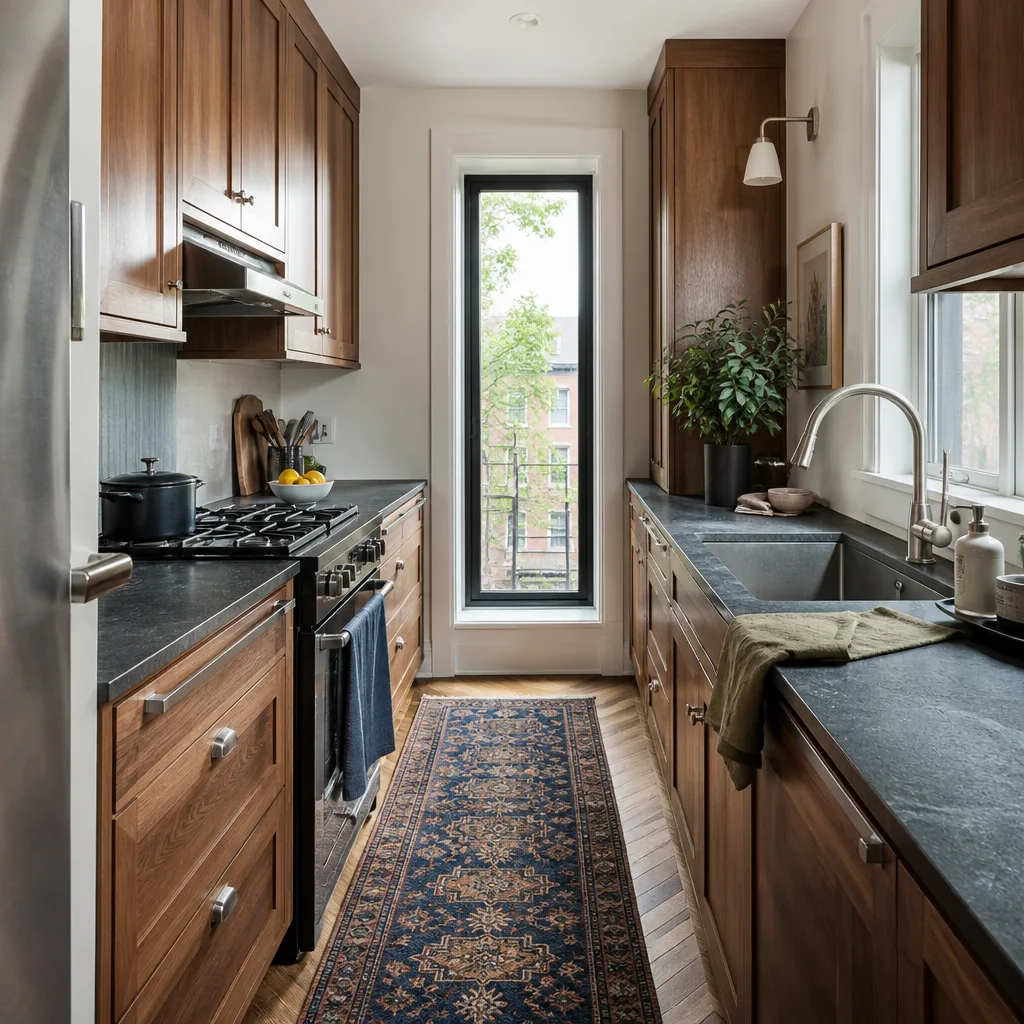
A kitchen remodel in Los Angeles is a serious financial commitment, and the only way to do it without losing sleep is to plan for the local reality: $60,000 to $120,000 for a full gut, permits pulled and inspections passed, Title 24 and seismic code compliance, a written contract with milestone-based payments, and a contractor who stands behind the work in writing. The cheapest bid usually costs the most by the end. The by-the-book approach costs what it costs, and it finishes with a clean site, a closed permit, and a signed annual warranty in your hand. That is what Bradford Remodeling home delivers on every kitchen we build in Los Angeles.
Written by Curtis Lane, Owner at Bradford Remodeling, serving Los Angeles since 2004. For more guides & resources, visit our blog.
See the difference
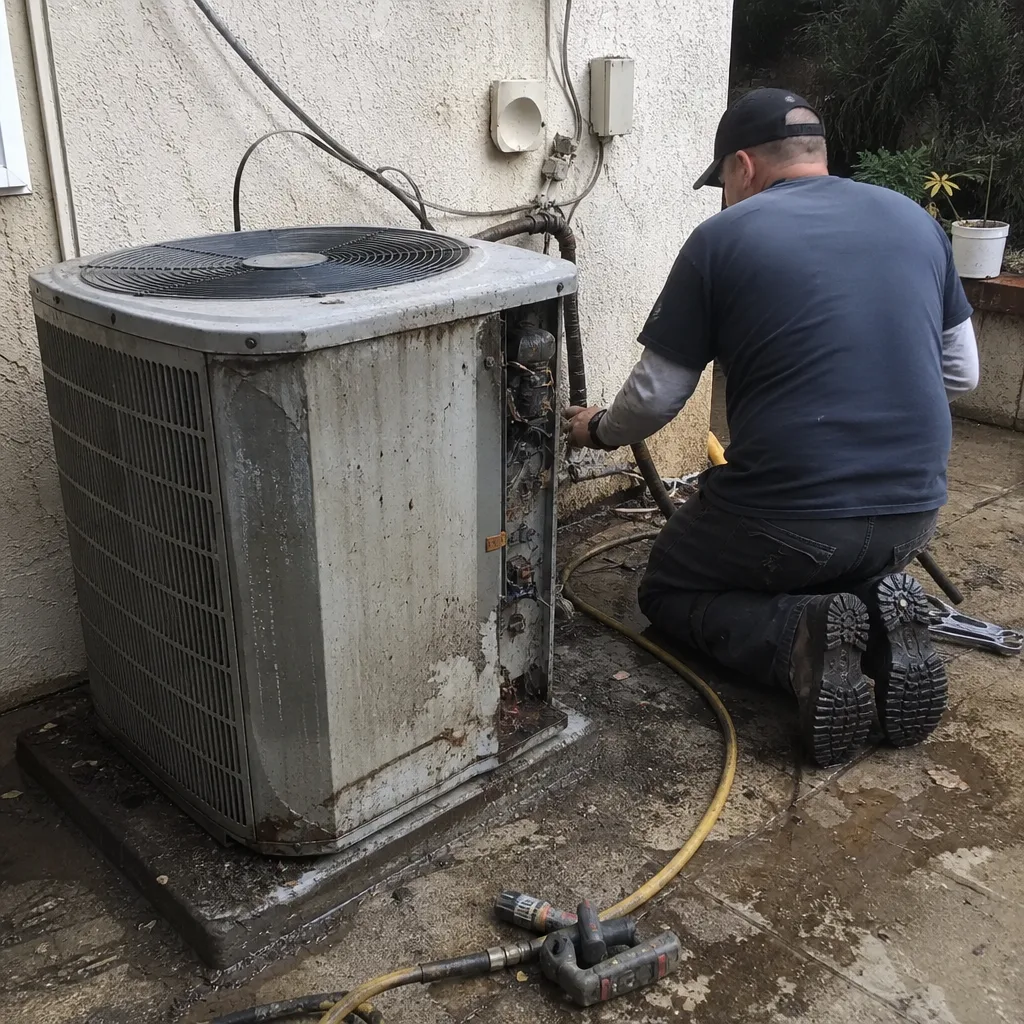 Before
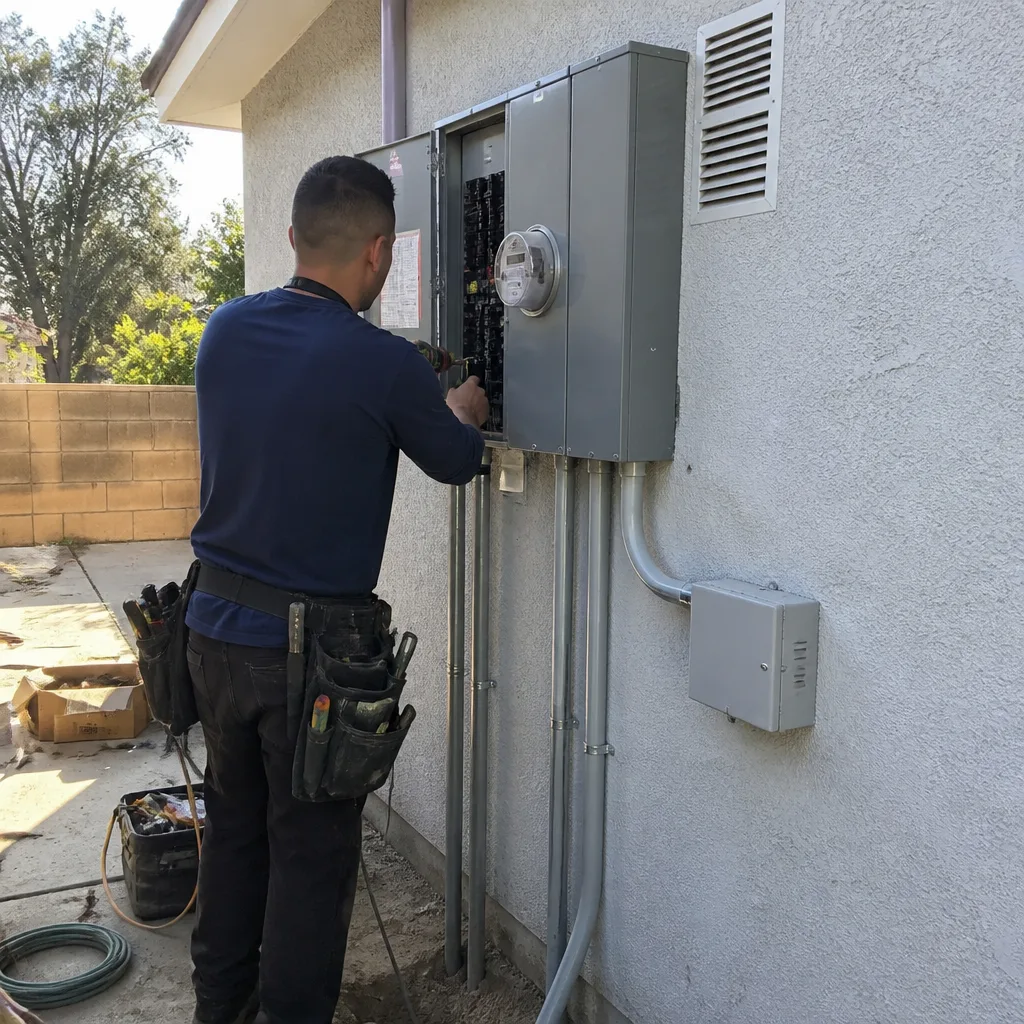 After
After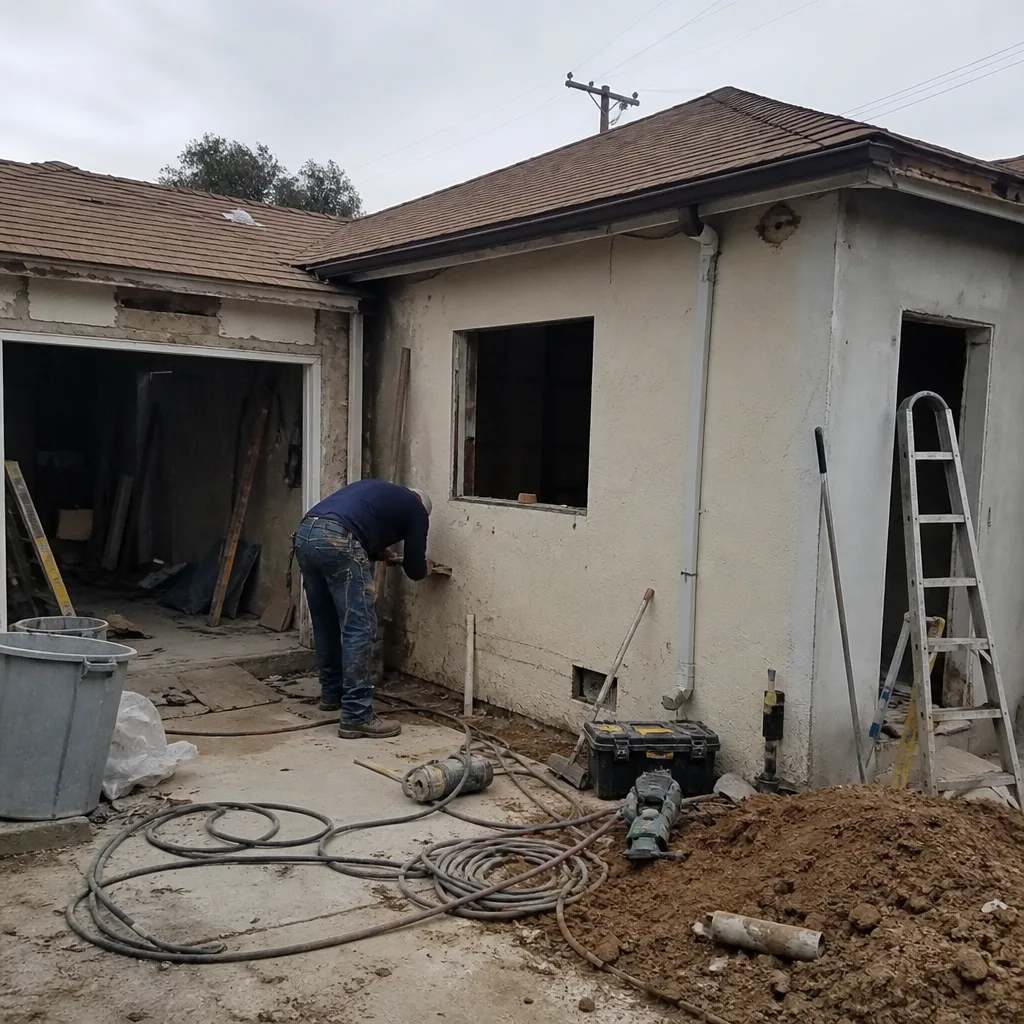 Before
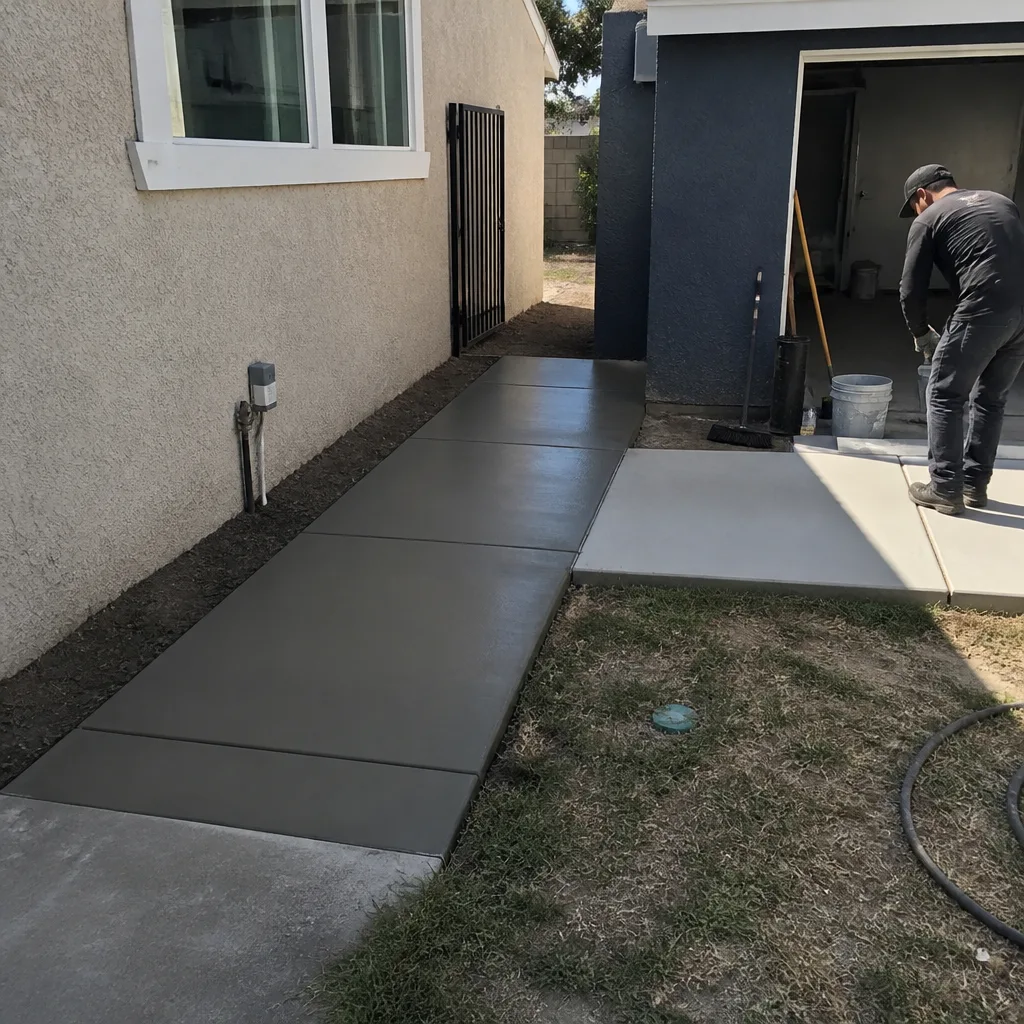 After
After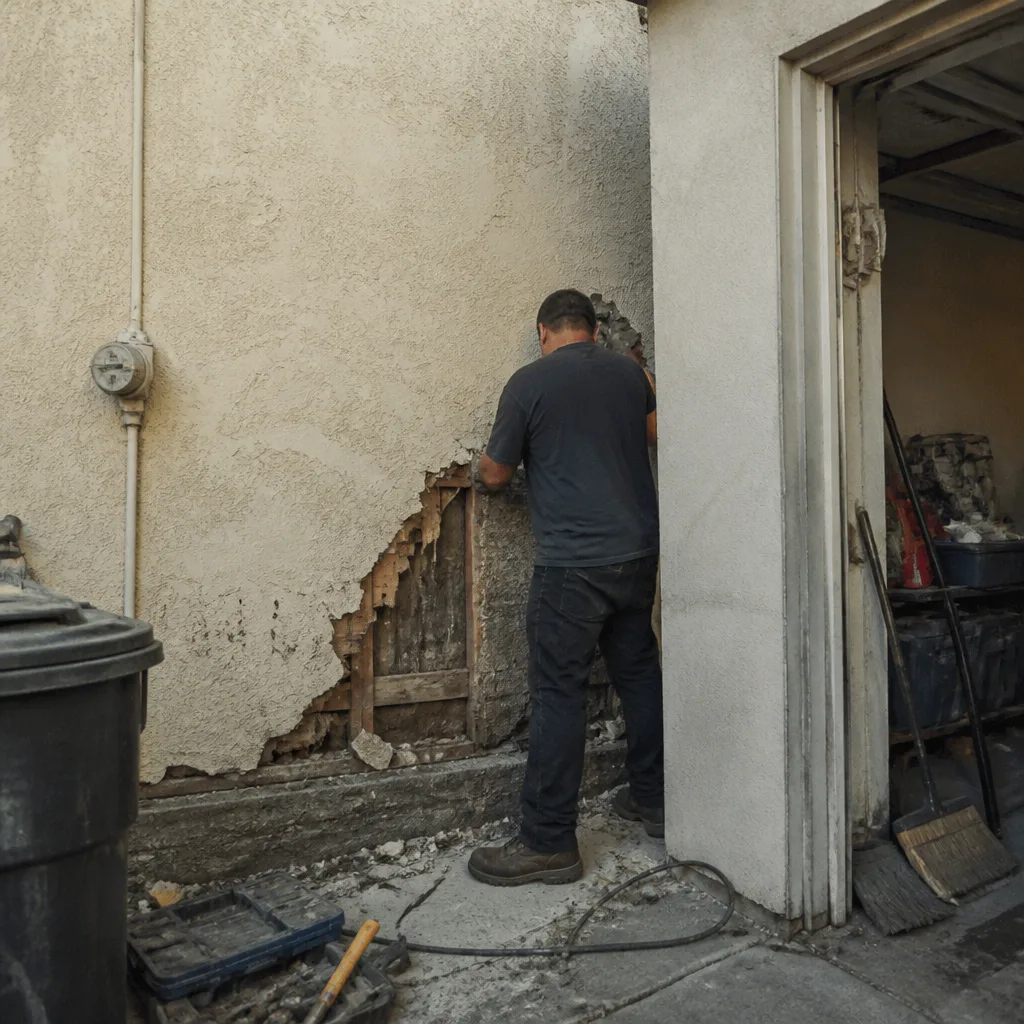 Before
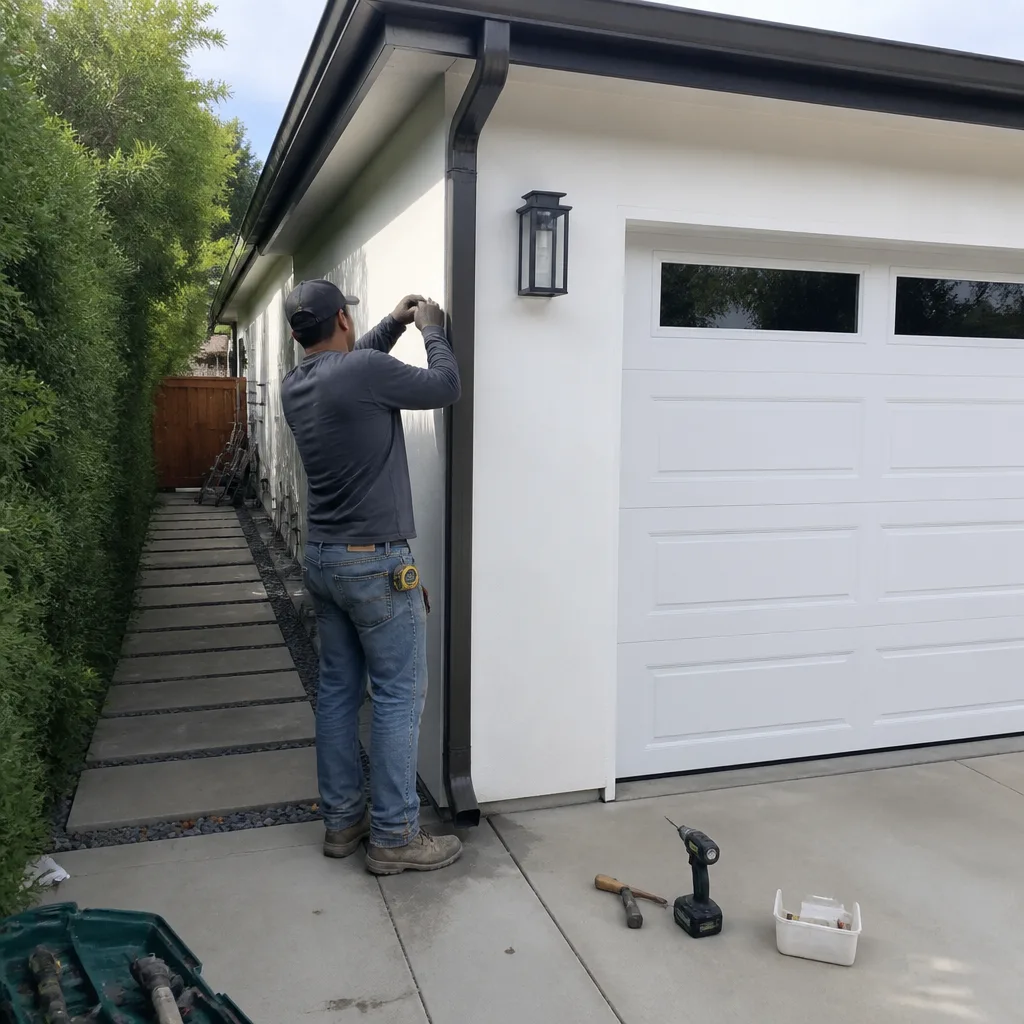 After
After