Last updated October 9, 2026

Free written scope consultation - allowances, timeline, and change-order rules on paper before a single trade is scheduled
Construction Cost Breakdown: The Los Angeles Homeowner’s Reference for 2026
The average Los Angeles kitchen remodel quote in 2025 ranged from $55,000 to $160,000 for the same 200-square-foot space. That spread isn’t contractor dishonesty. It’s four different interpretations of scope, finish tier, and permit cost. The homeowner who can’t read the difference between those bids will pick the wrong one every time. This guide breaks down where the money actually goes in Los Angeles remodeling, why our city prices differently than Dallas or Phoenix, and how to read a bid like someone who’s done this before.
Quick Answer
Construction and remodeling costs in Los Angeles for 2026 run roughly $185 to $425 per square foot for kitchens, $160 to $380 for bathrooms, $210 to $390 for ADUs, and $145 to $310 for whole-home renovations, depending on finish tier. The three biggest Los Angeles-specific cost drivers are prevailing wage pull-through on union labor, Title 24 energy compliance requirements on every permitted project, and a lumber and concrete supply chain that prices to the Southern California market. A written, line-item bid from a licensed contractor should account for all three. Anything that doesn’t is either incomplete or deliberately low.
Styles & brands we work with

Table of Contents
- Per-Square-Foot Cost Ranges by Project Type
- The Real Cost of Title 24 Compliance
- Labor Cost Drivers Specific to Los Angeles
- How LA City and LADBS Permit Fees Actually Work
- Change Order Economics: Markups, Legitimacy, and Contract Limits
- Where Material Costs Land in Los Angeles and Why
- How to Read a Bid: The Line-by-Line Method
- Common Mistakes to Avoid
Per-Square-Foot Cost Ranges by Project Type
National averages are useless in Los Angeles. A kitchen remodel that runs $35,000 in Columbus, Ohio easily runs $80,000 here, and not because contractors in LA are greedier. Labor costs more. Permits cost more. Materials cost more to store and deliver. And Title 24 adds compliance line items that other states don’t have. Here are the ranges we’ve seen across Los Angeles for 2026, segmented by finish tier. These are real numbers from completed projects, not national databases with a percentage bolted on.
| Project Type | Budget Tier | Mid Tier | Premium Tier |
|---|---|---|---|
| Kitchen (200 sq ft typical) | $185 – $260/sq ft | $260 – $350/sq ft | $350 – $425/sq ft |
| Bathroom (50 – 80 sq ft typical) | $160 – $240/sq ft | $240 – $310/sq ft | $310 – $380/sq ft |
| ADU (400 – 800 sq ft typical) | $210 – $280/sq ft | $280 – $340/sq ft | $340 – $390/sq ft |
| Whole-home remodel (1,200 – 2,500 sq ft) | $145 – $200/sq ft | $200 – $260/sq ft | $260 – $310/sq ft |
What separates a budget tier from a premium tier in Los Angeles is finish selection. A budget kitchen uses stock cabinets, a laminate or basic quartz countertop, and builder-grade fixtures from Delta or American Standard. A premium kitchen uses semi-custom or custom cabinetry, a full-slab stone surface like Cambria or Caesarstone, and plumbing fixtures from Kohler or a Moen premium line. The labor is often identical. The material delta routinely accounts for $30,000 to $60,000 of the spread between two bids on the same floor plan.
ADUs deserve a note of their own. Los Angeles has pushed ADU permitting aggressively since 2017, and the result is a competitive market with some genuinely bad work in it. See our Construction Emergency Preparedness Guide for Los Angeles Homes for related planning considerations. The $210-per-square-foot bottom of the range assumes a simple conversion of an existing garage or a compact detached unit with basic finishes. Once you add a kitchen, a separate electrical panel, or a foundation on sloped ground, the price climbs fast. Sloped lots in neighborhoods like Mount Washington or Echo Park add foundation costs that a flat-lot build in the Valley won’t have.
The Real Cost of Title 24 Compliance
Title 24 is California’s energy-efficiency building code, and every permitted remodel in Los Angeles must meet it. That has real dollar costs attached, and homeowners who don’t budget for them get surprised halfway through design. Here’s the breakdown of what Title 24 actually costs on a typical Los Angeles remodel.
First, the HERS rater. A Home Energy Rating System rater verifies compliance through field inspection and diagnostic testing. In Los Angeles, a HERS rater typically charges $500 to $1,200 per project, depending on scope. On an addition or major remodel where whole-house compliance is triggered, you’ll also pay for a compliance consultant or energy designer to model the project, usually $800 to $2,000 before permits are even submitted.
Then there are the upgrade costs themselves. Title 24 imposes minimum insulation values, maximum window U-factors and SHGC (solar heat gain coefficient) for our climate zone, and minimum HVAC efficiency. In practice, on a typical Los Angeles whole-home remodel, that means:
- Insulation upgrades: $1,800 to $4,500 depending on wall count and attic square footage. Older LA homes built before 1978 often have no wall insulation at all, and the cost to retrofit is real.
- Window replacement: $600 to $1,400 per opening for dual-pane, low-E glass that meets SHGC requirements in climate zone 6 or 8. A 10-window house runs $6,000 to $14,000.
- HVAC efficiency: If the existing furnace or AC is 15-plus years old, Title 24 often requires replacement with a minimum 14 SEER unit, running $8,000 to $16,000 installed. Duct sealing and insulation add another $1,500 to $3,500.
- Lighting and controls: $500 to $1,200 for LED fixtures and occupancy sensors where required.
On a $120,000 whole-home remodel in Los Angeles, Title 24 compliance typically accounts for $15,000 to $30,000 of the total. That’s not padding. That’s code. A bid that doesn’t include a Title 24 line item is either unpermitted work or a bid that will balloon when the city asks for compliance documentation.
One more thing: Title 24 is what triggers the difference between a “cosmetic refresh” and a “remodel” in the legal sense. Replace cabinets and countertops without touching the walls, and you may not trigger it. Move a wall, add a window, replace a water heater, or upgrade a panel, and you will. Los Angeles homeowners who try to sidestep Title 24 by avoiding permits end up with a house they can’t sell without disclosures and no legal recourse if the unpermitted work fails. For a deeper look at what to watch for, see our Construction Warning Signs: A Los Angeles Homeowner’s Reference Guide.
Labor Cost Drivers Specific to Los Angeles
Labor is the single largest line item in any Los Angeles remodel, and the reasons trace back to California’s licensing structure and the city’s union presence. Here’s what actually drives the numbers.
First, California requires separate, trade-specific licenses for work that other states fold into one general contractor’s crew. A C-10 electrical license is required for any electrical work on a Los Angeles remodel. A C-20 warm-air HVAC license is required for any furnace, AC, or duct modification. A C-36 plumbing license covers plumbing. A general contractor’s B license does not authorize any of those trades. That means every permitted remodel in Los Angeles carries line items for at least three licensed subcontractors: electrician, plumber, and HVAC. In a typical kitchen remodel, those three trades alone run $18,000 to $35,000 before a single cabinet is hung.
Second, prevailing wage pull-through. Los Angeles is a heavily unionized construction market, and even non-union contractors must compete for the same pool of skilled labor. A licensed electrician in Los Angeles earns $55 to $85 per hour in wages and benefits, compared to $35 to $50 in Phoenix or Las Vegas. A skilled carpenter commands $45 to $70. A project manager on a mid-size remodel earns $90,000 to $130,000 per year. Those labor rates show up in every bid, whether the crew is union or not.
Third, the cost of doing business in Los Angeles itself. Workers’ compensation insurance rates in California are the highest in the nation. A remodeling contractor in LA pays 18 to 28 percent of payroll for workers’ comp coverage, compared to 8 to 12 percent in Texas. Vehicle costs, fuel, parking, storage, and disposal all price to LA. Tipping fees at Los Angeles County landfills run $65 to $85 per ton for construction debris, and a typical kitchen demo produces 2 to 4 tons. The demo dumpster alone is a $500 to $1,200 line item.
None of this is argument for accepting an unlicensed crew. It’s explanation for why a legitimate Los Angeles bid is higher than a handyman quote. The unlicensed handyman isn’t paying workers’ comp, isn’t pulling permits, and isn’t carrying liability insurance. The savings disappear the first time an uninsured worker gets hurt on your property and your homeowner’s policy is on the hook.
We cover all licensed trades as part of our general contracting work. For homeowners exploring options, our General Contractor in Los Angeles page explains how the trade licensing structure works in practice.
How LA City and LADBS Permit Fees Actually Work
Most Los Angeles homeowners don’t understand permit fee structures until the bill arrives, and that’s a failure of the industry, not the homeowner. For a full overview of the rules, see our Construction Permits, Codes & Inspections in CA: What You Need to Know. Here’s the actual structure, for both Los Angeles city proper and the broader LADBS county jurisdiction.
The Los Angeles Department of Building and Safety (LADBS) charges permit fees in three parts for every permitted remodel:
- Plan check fees: Charged when plans are submitted for review. Typically 65 percent of the total permit fee. On a $120,000 whole-home remodel in LA city, plan check runs $1,500 to $4,000 depending on the complexity of the structural and Title 24 review.
- Permit issuance fees: Charged when the permit is approved and issued. This is the remaining 35 percent of the permit fee, paid before work can legally begin.
- Inspection fees: Each inspection visit is a separate line item. A typical kitchen remodel requires 6 to 12 inspections across demolition, rough-in for each trade, insulation, drywall, and final. Inspection fees run $200 to $400 each, so the inspection budget alone is $1,200 to $4,800.
As a percentage of total project cost, Los Angeles permit fees typically land between 2.5 and 5 percent on a mid-range remodel. On a $120,000 project, expect $3,000 to $6,000 in LADBS fees before you account for the Title 24 compliance work that permits require. An unpermitted remodel saves that money upfront. It also voids your homeowner’s insurance claim if the unpermitted work causes damage, complicates resale, and gives a buyer’s inspector every reason to demand a price reduction.
One distinction that matters: Los Angeles city is its own building department, while the county LADBS jurisdiction covers unincorporated areas and some smaller incorporated cities. The fee schedules are similar but not identical, and city plan check can be slower than county. A contractor who works regularly in your specific jurisdiction knows how to sequence the submittal to avoid a two-month stall in plan review. That knowledge is part of what you’re paying for.
Change Order Economics: Markups, Legitimacy, and Contract Limits
Change orders are where most Los Angeles remodels go over budget, and they’re also the most misunderstood part of a construction contract. A change order is not automatically a scam. It’s the formal mechanism for modifying the original scope of work. The problem is that some contractors use change orders as a billing strategy, writing a low initial bid and then recovering profit through a parade of legitimate-sounding but predictable additions.
Here’s how the economics work. The standard markup structure on a Los Angeles change order is 15 to 25 percent on labor and materials, or 10 to 15 percent as a flat project management fee on top of the direct cost. That markup is legitimate. It covers the contractor’s time to re-sequence the schedule, notify subs, update permitting if required, and carry the additional warranty risk. A contractor who charges no markup on change orders is either subsidizing it elsewhere or will be out of business before your warranty expires.
A legitimate change order in Los Angeles looks like this:
- Written description of the change, with the reason it wasn’t in the original scope.
- Line-item breakdown of added labor, materials, and trade-specific costs.
- Stated markup as a percentage or flat fee, not buried in a lump sum.
- Schedule impact stated in days, with the revised completion date.
- Your signature approving the change before the work proceeds.
Scope creep disguised as change orders looks different. The classic tell is a change order for work that was clearly implied in the original contract but never written into the scope. If your kitchen remodel contract says “replacement of kitchen fixtures” and then you get a change order for installing the new Moen faucet, that’s not a legitimate change. That’s a bid written too low. The contractor knew the faucet needed installation when they priced the job. They left it out to keep the bid number attractive.
Here’s how to negotiate limits on change order risk before you sign:
- Require a written, itemized scope of work attached to the contract, not a one-page summary. If it’s not written down, it doesn’t exist, and it won’t be priced.
- Ask what’s NOT included. Legitimate remodels have exclusions. A contractor who says everything is included is either lying or quoting too high.
- Negotiate the change order markup in the original contract. If the standard markup is 20 percent, ask for 15. Get it in writing. That single negotiation affects every change order for the rest of the project.
- Set a change order threshold. Require written approval for any change over $500, with no work authorized verbally. This one rule eliminates most of the worst abuse.
- Look for the scope of work first, before the number. A bid with no detailed scope is not a bid. It’s a price tag. If the scope doesn’t specify the cabinet line, the countertop material, the faucet brand, the insulation R-value, and the window product, none of those things are priced.
- Verify the permit and Title 24 line items. If there’s no permit line, the project is unpermitted, and every dollar you save is a liability you’ll carry for the life of the house in Los Angeles. If there’s no Title 24 line on a permitted remodel, the bid is missing a mandatory cost.
- Check the trade breakdown. A legitimate Los Angeles bid separates electric, plumbing, and HVAC into trade-specific line items with licensed-subcontractor pricing. A bid that says “labor: $40,000” with no trade detail is either unlicensed work or an estimate with no accountability.
- Look for the exclusions list. If it doesn’t exist, the bid is incomplete. Every professional bid states what’s not included: finish plumbing, appliance installation, painting, whatever. The contractor who includes a clear exclusions list is the one being honest about the number.
- Compare finish allowances at the brand level. “Allowance: $5,000 for plumbing fixtures” means something. “Alcove tub and shower with Moen fixtures in chrome” means something else. The second one is a bid. The first one is a range.
- Read the warranty and guarantee terms. A written guarantee with a stated remedy is worth more than a verbal promise made in your living room. If the bid doesn’t include written warranty terms, ask for them before you sign. If the contractor hesitates, walk.
- Accepting an unpermitted remodel to save money. In Los Angeles, unpermitted work is a disclosure requirement at resale and grounds for claim denial by your insurer. The $6,000 you save becomes a $30,000 problem at close of escrow.
- Comparing bids by bottom-line number alone. Two bids $60,000 apart on the same kitchen are not for the same kitchen. One has brand-specified finishes and licensed trades. The other has allowances and vague scope. Read the scope, not the total.
- Ignoring Title 24 until the inspector mentions it. Title 24 compliance is not optional and not deferred. Budget $15,000 to $30,000 for it on a whole-home remodel and $8,000 to $15,000 on a kitchen. If your bid doesn’t have the line item, the cost hasn’t gone away.
- Signing a contract without a written exclusions list. If the contractor won’t state what’s not included, you’re buying an open-ended obligation. The exclusions list is the contractor’s way of telling you the truth about the number.
- Hiring the lowest bidder without verifying license, insurance, and workers’ comp. In Los Angeles, the low bid is often the uninsured bid. Ask for the California contractor’s license number and verify it with the CSLB. Ask for the certificate of workers’ comp insurance. A legitimate contractor provides both without hesitation.
- Paying too much upfront. California law limits the down payment on a home improvement contract to 10 percent or $1,000, whichever is less. Any contractor asking for more is violating state law, period.
- Trusting verbal promises on warranty. If it’s not in writing, it didn’t happen. Every Bradford project carries a written guarantee as part of The Garrison Code, and we hand you the signed copy at close. Get that from whoever you hire.
Every project we contract follows the same written-price rule: the price we quote is the price on the contract, and any change is written and signed before work resumes. Curtis Lane, our owner, has run jobs in Los Angeles under that rule since 2004, and it’s why our change order volume is low. The bid is complete to begin with.
Where Material Costs Land in Los Angeles and Why
Los Angeles material costs run 12 to 20 percent higher than the national average for the same products, and the reasons are structural, not opportunistic. Lumber, concrete, and drywall all price to the Southern California market because the supply chain is longer, the storage costs are higher, and the demand base is deeper than almost anywhere else in the country.
Lumber is the clearest example. Los Angeles doesn’t grow construction-grade timber. Every stick of framing lumber arrives by rail from the Pacific Northwest or Canada, then gets trucked to a lumberyard in the Inland Empire or the San Fernando Valley, stored on land that costs $20 to $40 per square foot per year, and delivered to your job site through LA traffic. That delivery leg alone adds $400 to $900 to a typical framing package compared to a project in Sacramento.
Concrete follows the same pattern. Aggregate comes from quarries in Irwindale and Corona, cement powder arrives from the high desert, and the ready-mix plant’s diesel, water, and environmental compliance costs are all LA-priced. A 10-yard pour costs $1,800 to $2,600 in Los Angeles. The same pour in Phoenix runs $1,200 to $1,800.
Then there are finishes. This is where a documented brand roster matters. A Bradford project specifies brand-name materials with published specifications, not whatever the supply house has on the shelf. That means cabinetry from KraftMaid or Wellborn, stone from Cambria or Caesarstone, fixtures from Kohler or Moen, exterior products from GAF or James Hardie, and doors from Therma-Tru. These brands cost more than builder-grade alternatives because their specifications are documented and their warranties are enforceable. When a Moen cartridge fails in year four, the part is warrantied. When a no-name faucet from a big-box clearance rack fails in year two, you’re buying a new faucet.
The material line item is not the place to save money on a Los Angeles remodel. It’s the place to verify that you’re getting what the contract says. A written, brand-specific spec sheet protects you from substitution, which is the single most common form of contractor gamesmanship in this market.
How to Read a Bid: The Line-by-Line Method
A bid is either a real number with a real scope behind it, or it’s a marketing document designed to get you to sign before you ask questions. In Los Angeles, where the same project can draw bids $100,000 apart, the ability to read the difference is the highest-value skill a homeowner can develop. Explore more guides & resources to build that skill.
Here’s the method, step by step.
At Bradford Remodeling, the written price is the price, and it’s tied to a scope document that specifies brands, counts, and finish levels before any work begins. It’s part of The Garrison Standard, the operating framework every Garrison Partners location has followed since 2004. The price doesn’t move at the door, and when the work is complete, you get a written 365-Day Done Right Promise in your hand: if the remodel fails inside the first year, we come back and correct it at no charge. That’s what a bid looks like when the contractor intends to stand behind it.
For more on how we structure our Los Angeles remodels, see our Home Remodeling in Los Angeles page.
Common Mistakes to Avoid
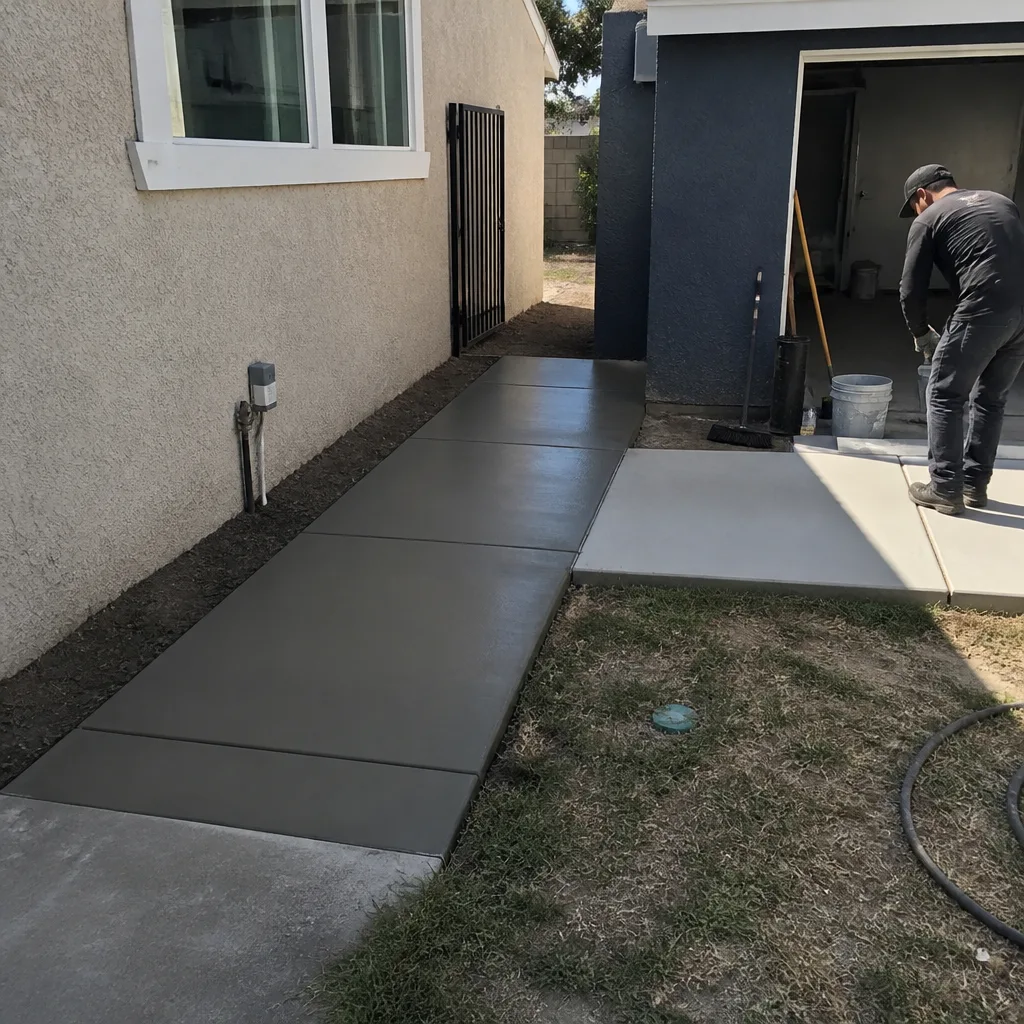
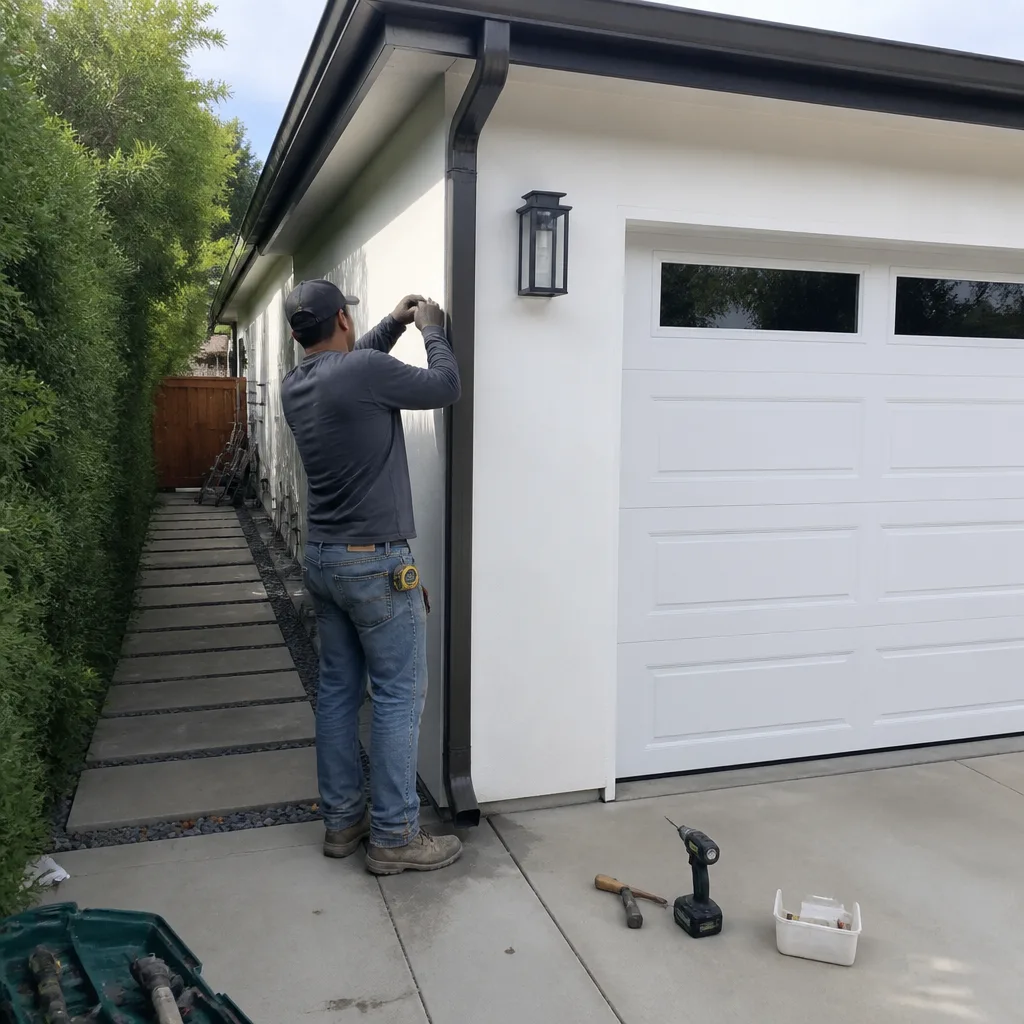
See the difference
 Before
 After
After Before
 After
After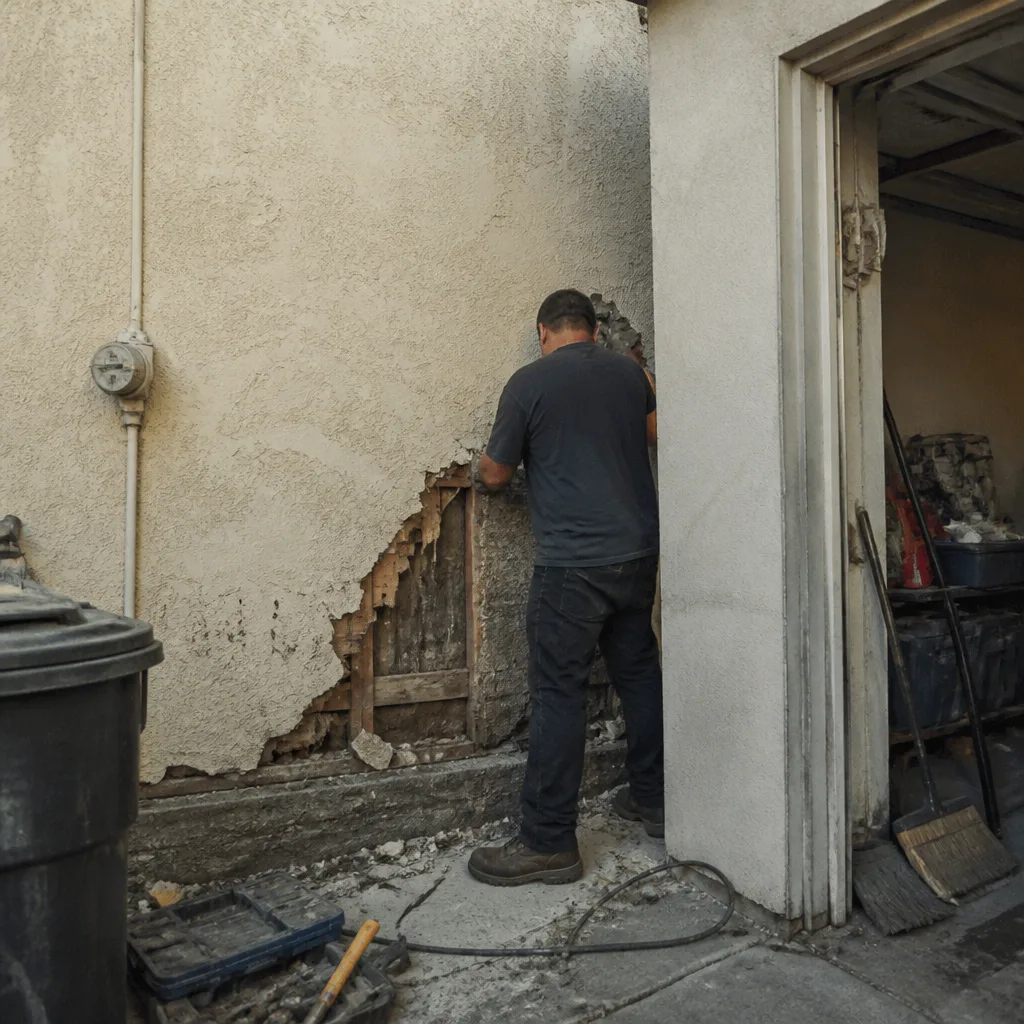 Before
 After
AfterWhen to Call a Professional
Some Los Angeles remodels are fine as DIY or handyman work: painting a bedroom, swapping a light fixture, replacing a faucet cartridge. The moment the project involves structural modification, electrical panel work, plumbing rough-in, HVAC ducting, or any wall that carries load, the job requires a licensed professional. Not because the work is impossible to learn, but because Los Angeles code enforcement, Title 24 compliance, and insurance liability make amateur work a financial hazard. If you’re not sure whether your project crosses that line, get a professional assessment before you start. Bradford Remodeling offers free estimates in Los Angeles. Call (903) 568-7222 and we’ll tell you what you’re looking at, whether or not you hire us. Our Kitchen Remodeling in Los Angeles page covers the kitchen-specific realities in more detail, and you can always start with our Bradford Remodeling home page for the full scope of what we do.
Frequently Asked Questions
A kitchen remodel in Los Angeles in 2026 runs $185 to $425 per square foot, or roughly $37,000 to $85,000 for a standard 200-square-foot kitchen, depending on finish tier and the condition of the existing mechanical, electrical, and structural systems. The biggest variables are cabinet grade, countertop material, and whether the project triggers Title 24 work. Call (903) 568-7222 for a free estimate with a written line-item scope.
Title 24 compliance adds $8,000 to $15,000 on a kitchen remodel and $15,000 to $30,000 on a whole-home remodel in Los Angeles, including HERS rater fees, insulation upgrades, window replacement, HVAC efficiency improvements, and lighting controls. The exact cost depends on the existing home’s age and the project’s scope. Any permitted remodel that doesn’t budget for Title 24 is underpriced or incomplete.
Los Angeles remodeling costs run higher because California requires separate licensed trades for electric, plumbing, and HVAC work, because prevailing wage and workers’ compensation costs are the highest in the nation, and because building materials price to the Southern California supply chain. Permit fees and Title 24 compliance add another 5 to 10 percent on top. The number is not contractor markup. It’s the structural cost of building in this market.
Los Angeles permit fees through LADBS run $3,000 to $6,000 on a mid-range $120,000 remodel, split between plan check, permit issuance, and inspection fees. Permit costs scale with project value and complexity, and ADUs and additions carry higher structural plan check fees than interior remodels. Unpermitted work saves the fee and creates liability that follows the property.
A standard change order markup in Los Angeles is 15 to 25 percent on labor and materials, or a 10 to 15 percent project management fee on the total change cost. The markup covers rescheduling, coordination, permit updates where required, and warranty risk. A change order without a stated markup is a red flag, and a markup over 25 percent deserves a conversation.
A legitimate Los Angeles remodeling bid includes a detailed written scope of work, brand-specific material specifications, separate line items for licensed electrical, plumbing, and HVAC trades, a permit fee line, a Title 24 compliance line, a stated change order markup, and a written warranty with a specific remedy. It also includes an exclusions list. A bid missing any of those is either incomplete or deliberately vague. Call (903) 568-7222 and we’ll show you what a complete Los Angeles bid looks like.
The Bottom Line
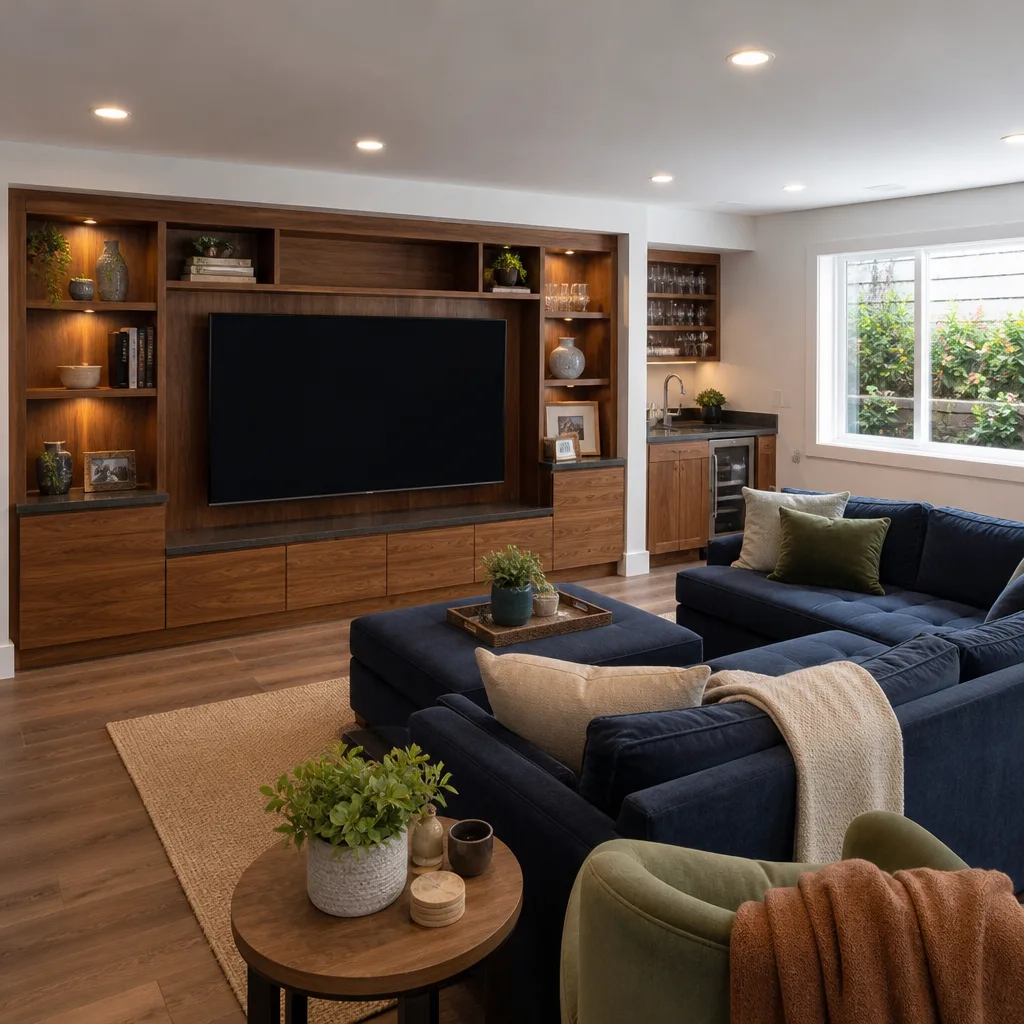
Los Angeles remodeling costs are high for traceable, structural reasons, and the homeowners who understand those reasons are the ones who get honest bids and completed projects. Know your finish tier. Budget for Title 24. Verify the licensed trades. Read the scope before the number. Negotiate the change order markup in writing. Demand a written guarantee with a real remedy. In our experience at Bradford Remodeling, the homeowners who do this work up front are the ones who end up with a clean site, a signed guarantee, and a number that matched what they were quoted. That’s what a squared-away remodel looks like. You can reach us at (903) 568-7222 for a free estimate, and we’ll put the price in writing before a single tool comes out.
Written by Curtis Lane, Owner at Bradford Remodeling, serving Los Angeles since 2004.