Last updated October 9, 2026





Free written scope consultation - allowances, timeline, and change-order rules on paper before a single trade is scheduled
The Complete General Contractor Guide for Los Angeles Homeowners
The California Contractors State License Board (CSLB) receives over 20,000 complaints a year, and Los Angeles County accounts for a disproportionate share of them. Most of those complaints trace back to one root cause: work that started without a written contract. This guide-along with The Complete Guide to Construction in Los Angeles-walks you through the entire hiring process in Los Angeles, from license verification to seismic requirements to the contract language that actually holds up in court. By the time you finish reading, you’ll know exactly what to check before the first tool comes out.
Quick Answer
Hiring a general contractor in Los Angeles requires verifying a CSLB Class B license, confirming bond and workers’ compensation coverage, and getting a written fixed-price contract before any work begins. Los Angeles adds layers most cities don’t have: mandatory seismic retrofit triggers, strict permit requirements that can turn a simple remodel into a structural project, and a dense web of local building codes. The contractor you hire should put every number in writing and stand behind the finished work in writing, too.
Styles & brands we work with
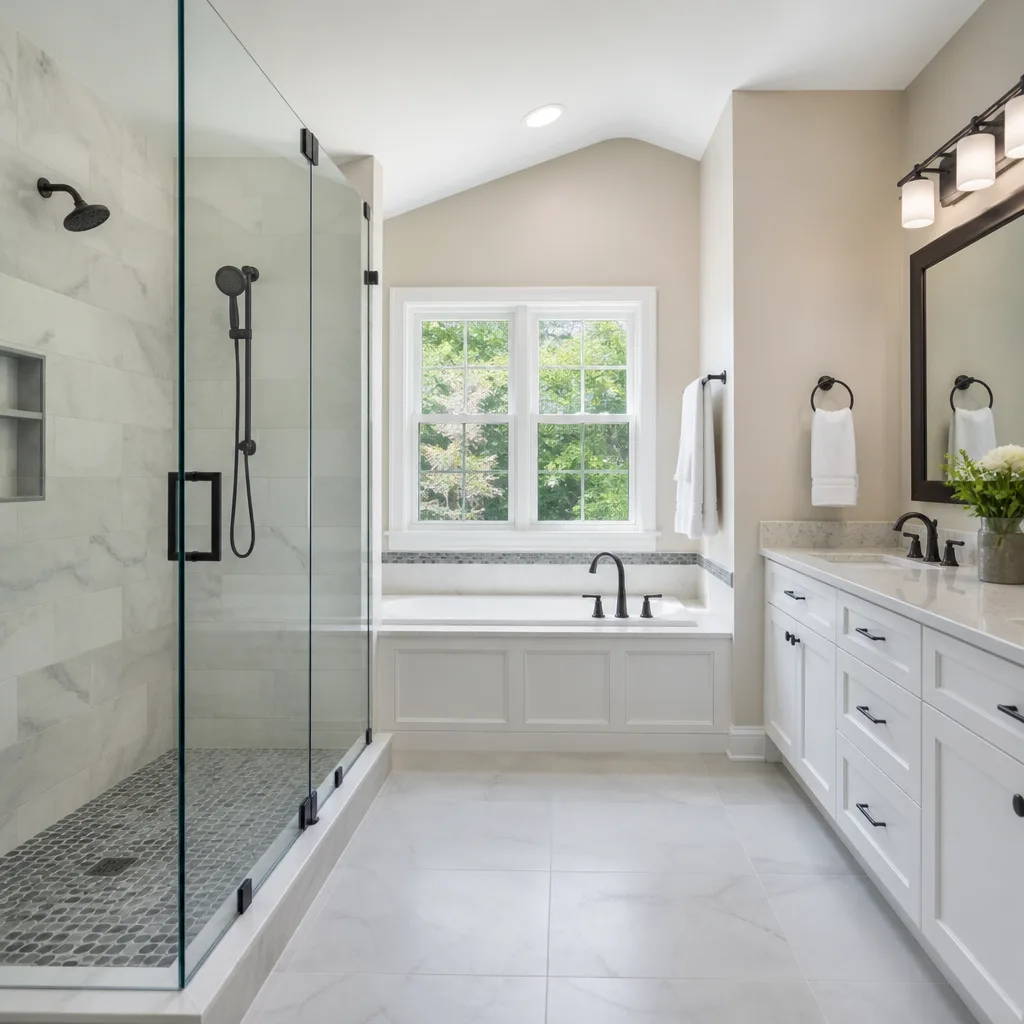


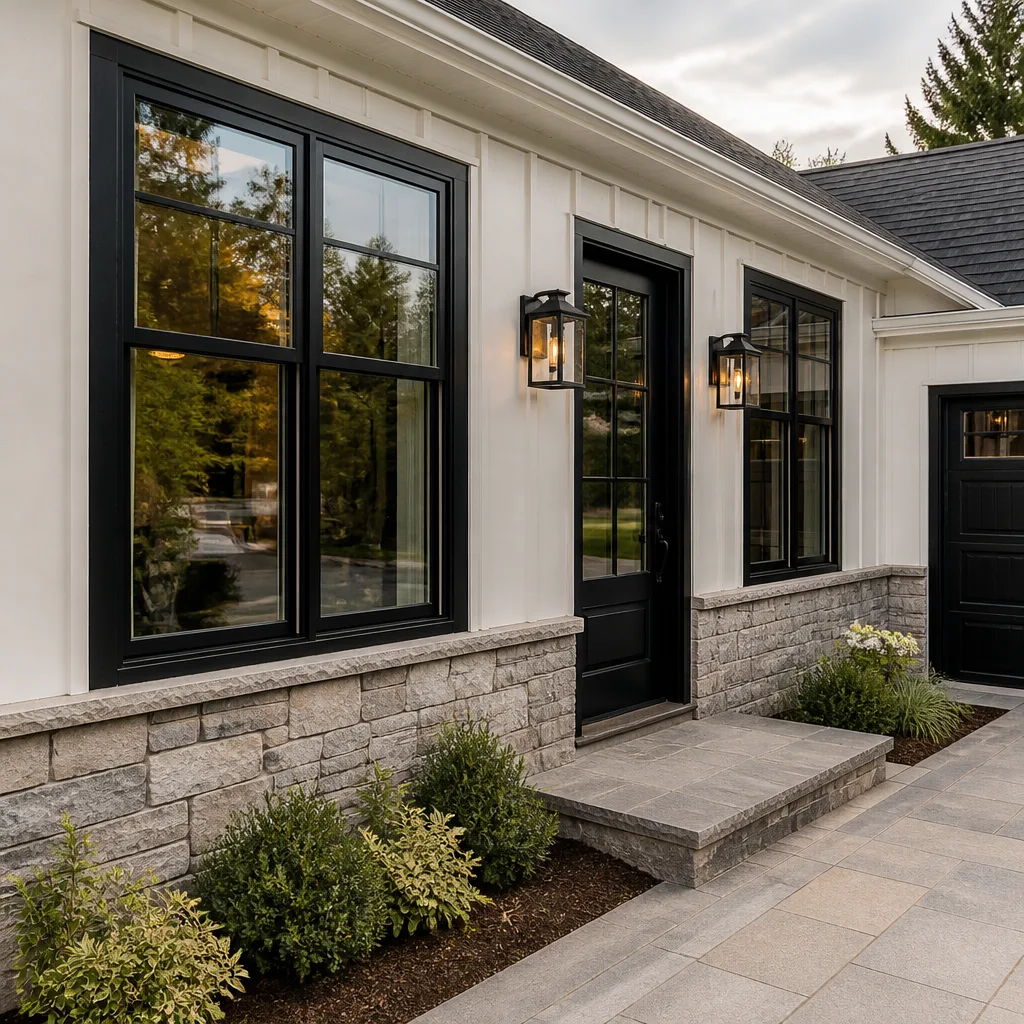
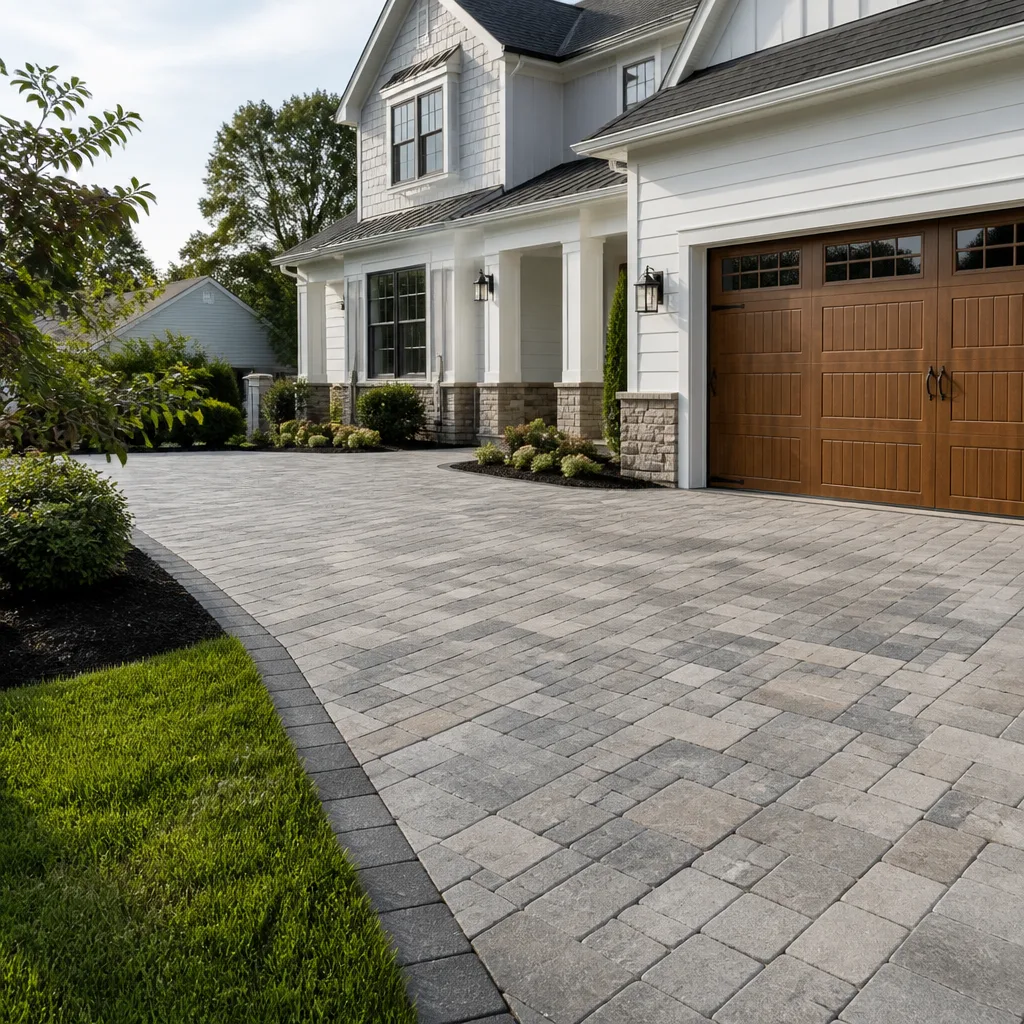
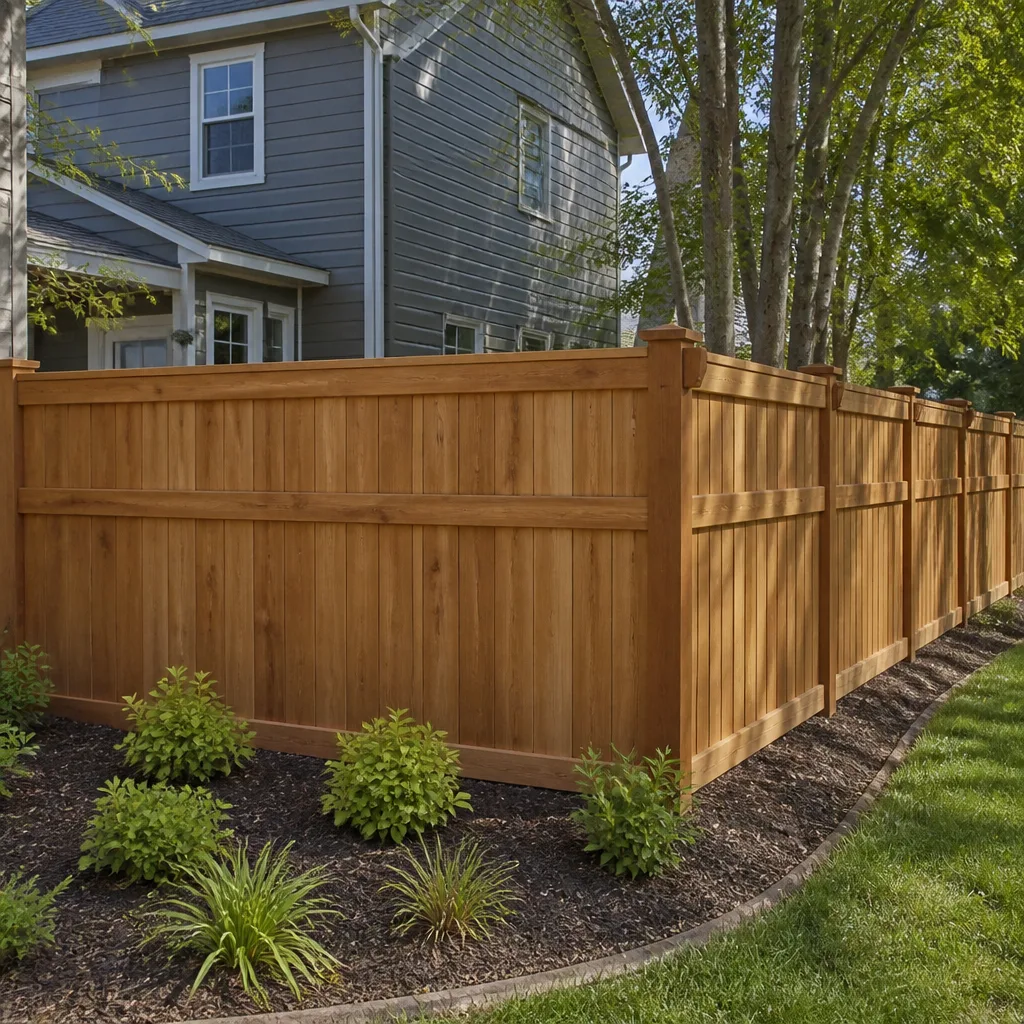
Table of Contents
- How to Verify a CSLB License, Bond, and Workers’ Comp in Under Five Minutes
- LA Permit Triggers: What Legally Requires a Licensed GC
- Seismic Retrofit Requirements and How They Hit Remodels
- Fixed-Price vs. Cost-Plus vs. Time-and-Materials: Where the Risk Lands
- What a Legitimate Pre-Construction Scope Document Must Contain
- What a Real Workmanship Warranty Looks Like in Writing
- Why the Material Brands in Your Contract Matter
- Common Mistakes to Avoid
How to Verify a CSLB License, Bond, and Workers’ Comp in Under Five Minutes
The CSLB licensing system is public record. It’s the first checkpoint, and it takes less time than ordering a coffee. Go to the CSLB website, enter the contractor’s name or license number, and pull up their record. Here’s what you’re looking for and what each item actually protects you from.
- Class B General Building License. A Class B allows a contractor to take on framing, structural work, and projects involving more than two unrelated trades. If your project touches load-bearing walls, foundation work, or multiple systems, a handyman or specialty contractor isn’t legally sufficient. A Class B license means the person passed a licensing exam covering construction law and trade knowledge. What it protects you from: unqualified operators who learned on someone else’s dime.
- Bond status. California requires a $25,000 contractor’s bond. The bond is not insurance for your project. It’s a pool of money you can claim against if the contractor violates state contracting law. What it protects you from: outright abandonment and certain forms of fraud. A $25,000 bond won’t rebuild your kitchen, but it’s a signal the contractor met baseline state requirements.
- Workers’ compensation certificate. If the contractor has employees, they must carry workers’ comp. If they claim exemption, they’re swearing they work alone. Here’s the trap: a contractor without workers’ comp who gets injured on your property can sue you personally for medical costs. What it protects you from: that exact lawsuit.
- Disciplinary history. The same CSLB page shows complaints, citations, and license suspensions. Read it. A contractor with three unresolved complaints in the last two years is telling you something. Don’t ignore it because the estimate was attractive.
Five minutes on one public website. That’s the whole screening process. We still see Los Angeles homeowners skip it, and the failure pattern is always the same: the contractor seemed fine at the estimate.
LA Permit Triggers: What Legally Requires a Licensed GC
Los Angeles building permits are not optional paperwork theater. LADBS (the Los Angeles Department of Building and Safety) enforces permits vigorously, and unpermitted work becomes a lien-sized problem at resale. Here’s what triggers a permit requirement in practice, not theory.
Any structural modification requires a permit. That includes moving a wall, cutting a new window or door opening, adding a beam, or changing the roofline. Any electrical, plumbing, or mechanical work beyond direct replacement requires a permit. A kitchen remodel that moves the sink, adds circuits, or changes gas lines legally requires a permit and a licensed general contractor-see The Complete Home Remodeling Guide for Los Angeles Homeowners for room-by-room details. A bathroom addition always requires a permit because it adds square footage, plumbing, and often structural load.
What a handyman can legally do in Los Angeles: projects under $500 in labor and materials. Painting. Drywall patching. Replacing a faucet or light fixture in the same location. The moment your project involves moving systems or cutting structure, a handyman is working illegally, and their insurance won’t cover the work because the work itself violated state law.
The practical test: if LADBS inspected your project and it failed, would you be comfortable explaining to a buyer why you skipped the permit? If the answer makes you wince, you need a licensed General Contractor in Los Angeles.
Seismic Retrofit Requirements and How They Hit Remodels
Los Angeles sits in seismic zone 4, and the city has mandatory retrofit ordinances for soft-story buildings and certain pre-1980 wood-frame structures. Where this matters for your remodel: the moment you open a wall, you may trigger a retrofit obligation you didn’t plan for.
LADBS applies a rule called “triggered retrofit.” If you’re doing a remodel that opens more than 50% of a wall’s surface, or if you’re expanding square footage, the inspector can require you to bring the exposed framing up to current seismic standards. That means anchor bolts, shear paneling, or foundation upgrades. On a 1940s bungalow in Highland Park or a 1950s ranch in the Valley, this can add real cost to an “interior-only” project.
A competent Los Angeles contractor identifies these triggers during the planning phase, not after the inspector shows up. A cheap contractor ignores them, writes a low number to win the job, and then hits you with a change order when the wall comes off. The difference is not skill. It’s discipline.
Fixed-Price vs. Cost-Plus vs. Time-and-Materials: Where the Risk Lands
Three contract types cover almost every residential remodel in Los Angeles. Understanding them is not a formality. It’s the whole ballgame.
Fixed-price contract. You agree on a total price before work begins. The price includes labor, materials, and the contractor’s margin. If the job takes longer than estimated, the contractor eats the overage. If materials spike mid-project, the contractor eats the difference. Risk lands on the contractor. This is what Bradford Remodeling home uses on every project, and the price is in writing before any work starts.
Cost-plus contract. You pay actual costs plus a percentage, typically 10 to 20 percent. If materials run over, you pay the overage. If the crew is slow, you pay the extra days. Risk lands on the homeowner. Cost-plus can be fair on true custom builds where the scope is genuinely unknown, but in Los Angeles, it’s often used as a way to quote low and bill high.
Time-and-materials contract. You pay for hours worked and materials used. No fixed total, no cap. Risk lands on the homeowner, almost entirely. Time-and-materials is appropriate for small service work, not for a kitchen or whole-home remodel. If a contractor proposes time-and-materials for a six-figure project, that’s a signal to walk.
The tell: ask each bidder, “If this runs over budget, who pays?” The answer tells you which contract type you’re signing, whether they call it that or not.
What a Legitimate Pre-Construction Scope Document Must Contain
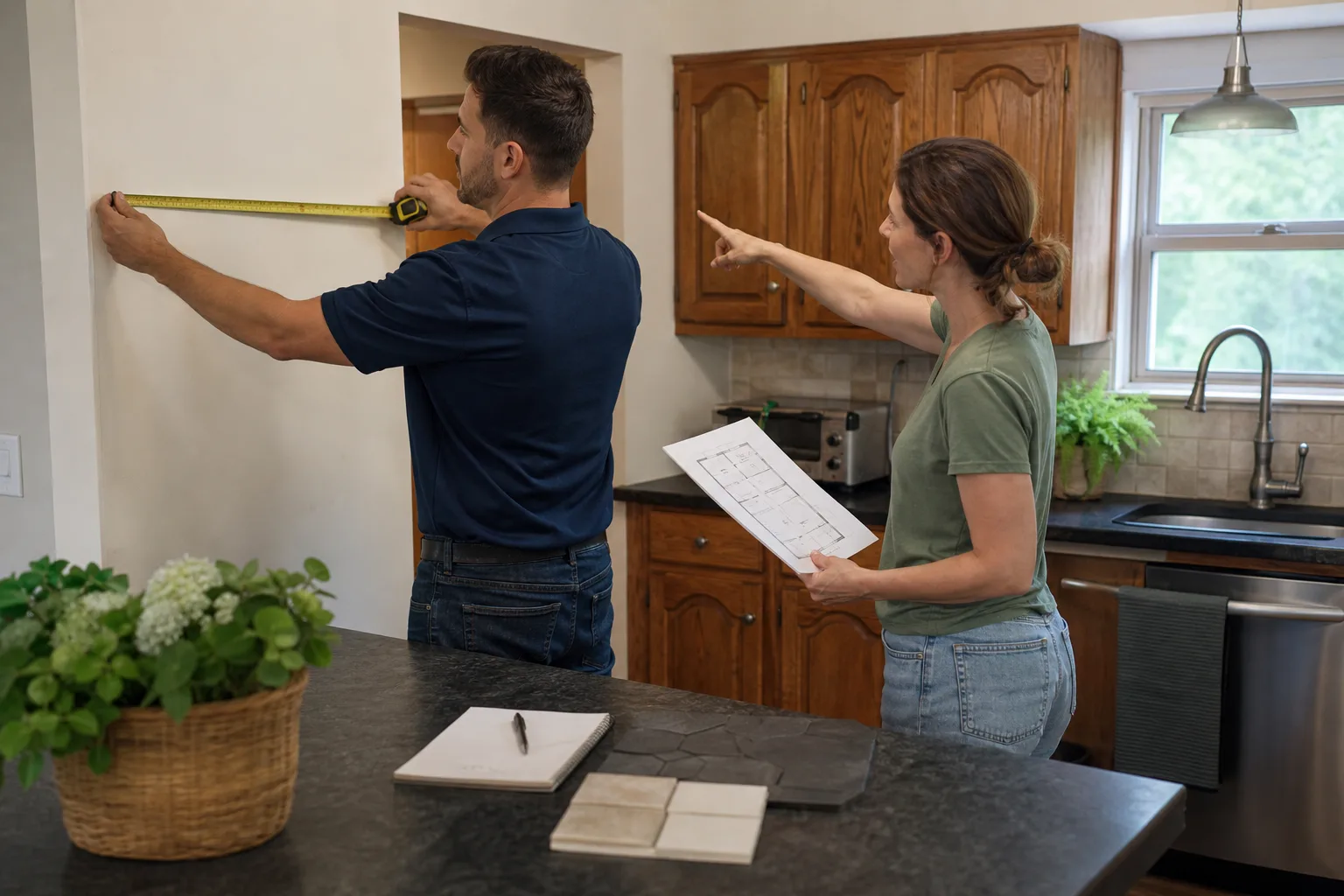
Before any money changes hands, a legitimate scope document should exist in writing. Not a napkin sketch. Not a text message. A scope document. Here’s what it contains on a real project.
- Project description. Every room touched, every system moved, every finish specified. “Kitchen remodel” is not a scope. “Remove one load-bearing wall, install a 14-foot LVL beam, rewire kitchen circuits to 20-amp, install KraftMaid cabinetry and Caesarstone countertops” is a scope.
- Materials list with brand and model or spec. “Quartz countertops” is not a scope item. “Caesarstone, 3cm, specific color, specific edge profile” is a scope item. Brand names protect you from substitution games.
- Permit schedule. Which permits, who pulls them, when, and who pays the fees. In Los Angeles, LADBS permits for a kitchen remodel with a wall move can run several thousand dollars. That number should be in writing.
- Demolition and disposal plan. What gets removed, what gets hauled away, and what stays. Los Angeles requires waste diversion documentation for many projects. A contractor who doesn’t mention this is going to leave a dumpster on your driveway longer than you want.
- Payment schedule. Tied to milestones, not dates. You pay when the rough-in passes inspection, not when the calendar says day 15. Never pay more than 10 percent or $1,000 as a deposit, whichever is less. That’s California law.
- Change order process. A written process for handling changes once work begins. If it’s not written, the contractor is free to price changes however they like, and you’re free to argue about it from a position of weakness.
- Workmanship warranty terms. Not “all work guaranteed.” Written terms. How long, what’s covered, what’s excluded, and what the process is if something fails.
When we scope a Kitchen Remodeling in Los Angeles, the document runs multiple pages. It’s not busywork. It’s the entire basis of the contract, and it’s the only thing that makes the written price enforceable.
What a Real Workmanship Warranty Looks Like in Writing
Most contractors say their work is guaranteed. Few put it on paper. There’s a difference between “I stand behind my work, trust me” and a written guarantee with a term, a scope, and a process.
The Garrison Standard, the operating framework behind every Bradford Remodeling project, treats the warranty as a contract term, not a sales line. The 365-Day Done Right Promise means exactly this: every completed project carries a full-year written guarantee. If the work fails inside that window, we return and correct it at no charge. That includes the return visit, the diagnosis, the labor, and the materials. It’s not pro-rated. It’s not “if it’s our fault.” It’s a one-year written obligation, and you receive a signed copy at job close.
What “squared away” looks like at the end of a Los Angeles project: the site is swept, the dumpster is gone, the permit has final sign-off from LADBS, the scope document is initialed line by line, and you hold a written guarantee in your hand. Not a verbal promise. A document.
When you’re comparing contractors, ask this exact question: “Will you put your warranty in writing, with a term and a correction process, before I sign?” Silence is an answer.
Why the Material Brands in Your Contract Matter
A contractor’s material roster tells you more about them than their sales pitch does. If the contract says “quality materials,” you don’t have a contract. If it says Cambria, Kohler, James Hardie, Therma-Tru, and Belgard, you have specifications with manufacturer backing.
Here’s the practical reason this matters in Los Angeles. Our climate is hard on exteriors: UV exposure, marine air near the coast, and temperature swings inland. A no-name exterior door or composite decking product can look fine at install and fail inside two years. When the product is Therma-Tru or James Hardie, the manufacturer has a warranty that stands behind the material, and our installation is covered separately by the 365-Day Done Right Promise. When the product is “whatever the supplier had,” you have nothing.
The same logic applies to hardscaping. In a city with as much concrete and stonework as Los Angeles, a paver from a manufacturer like Belgard or Tremron carries a manufacturer spec for compressive strength and color stability. Unbranded pavers might be half the price and look identical on day one. They won’t look identical after three summers.
A written contract with named brands is traceable. You can call the manufacturer and ask about the product. You can verify the spec. You can hold someone accountable. That’s the point of writing it down. For Home Remodeling in Los Angeles, the material list is part of the scope, and it gets checked against the actual delivered product during the rough-in walkthrough.
Common Mistakes to Avoid
- Signing a contract without a CSLB check. Five minutes on the CSLB website would have revealed a suspended license, a disciplinary history, or no workers’ comp. Skipping it is not a time-saver. It’s a liability decision.
- Paying a large deposit. California law caps the deposit at $1,000 or 10 percent, whichever is less. If a contractor asks for 50 percent down, they’ve already told you how they operate. Walk.
- Agreeing to work without permits. In Los Angeles, unpermitted structural or system work becomes a problem at resale, not at install. The buyer’s inspector catches it, the sale stalls, and you have no recourse against a contractor who’s been gone for years.
- Accepting a verbal warranty. “I guarantee my work, don’t worry.” Those words are worth zero in any California courtroom. A written warranty with a term and a correction process is the only thing that matters.
- Hiring the low bid without reading the scope. A $40,000 kitchen quote that excludes permits, electric, and disposal is more expensive than a $52,000 quote that includes everything. Compare scopes first, numbers second.
- Treating a remodel as a single purchase. The project is a process: scope, permits, rough-in, inspection, finish, sign-off. Each stage is a checkpoint. If your contractor can’t explain the checkpoint sequence, they haven’t done this in Los Angeles.
See the difference
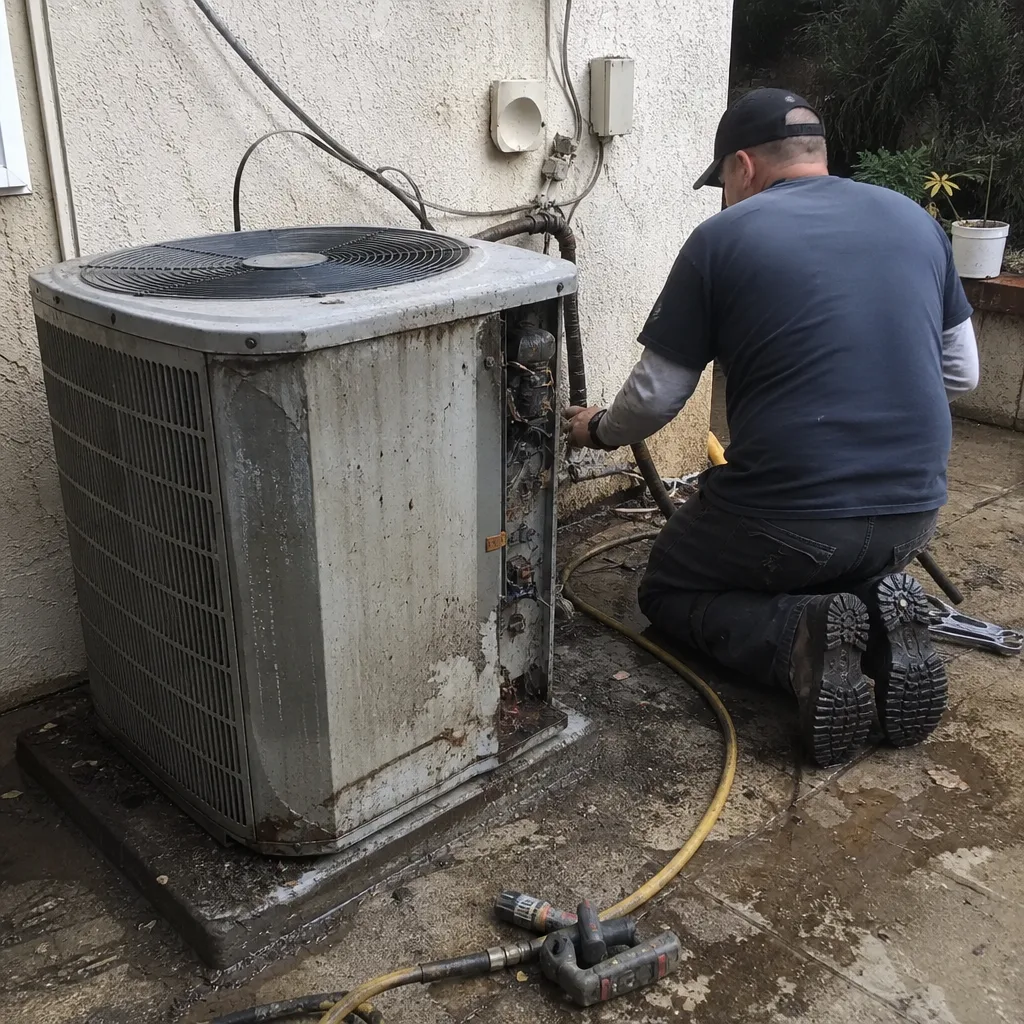 Before
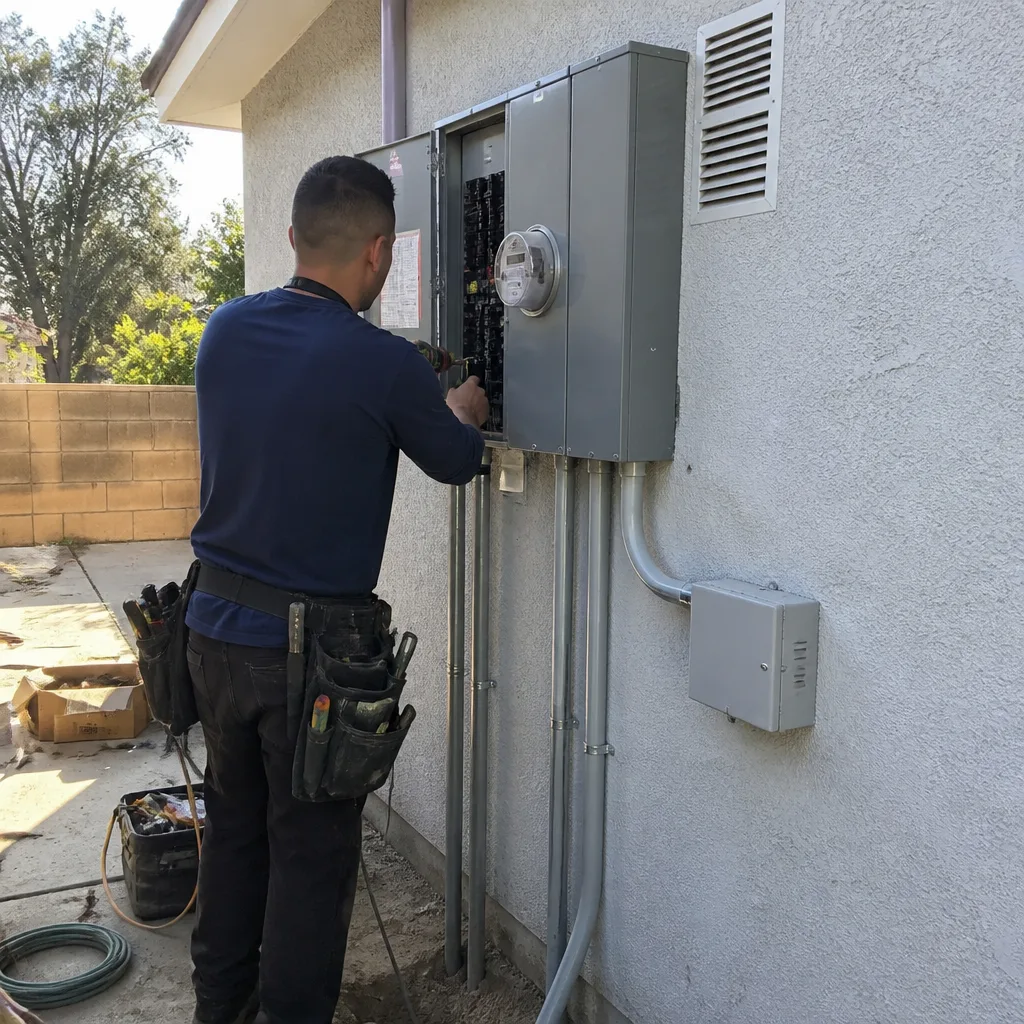 After
After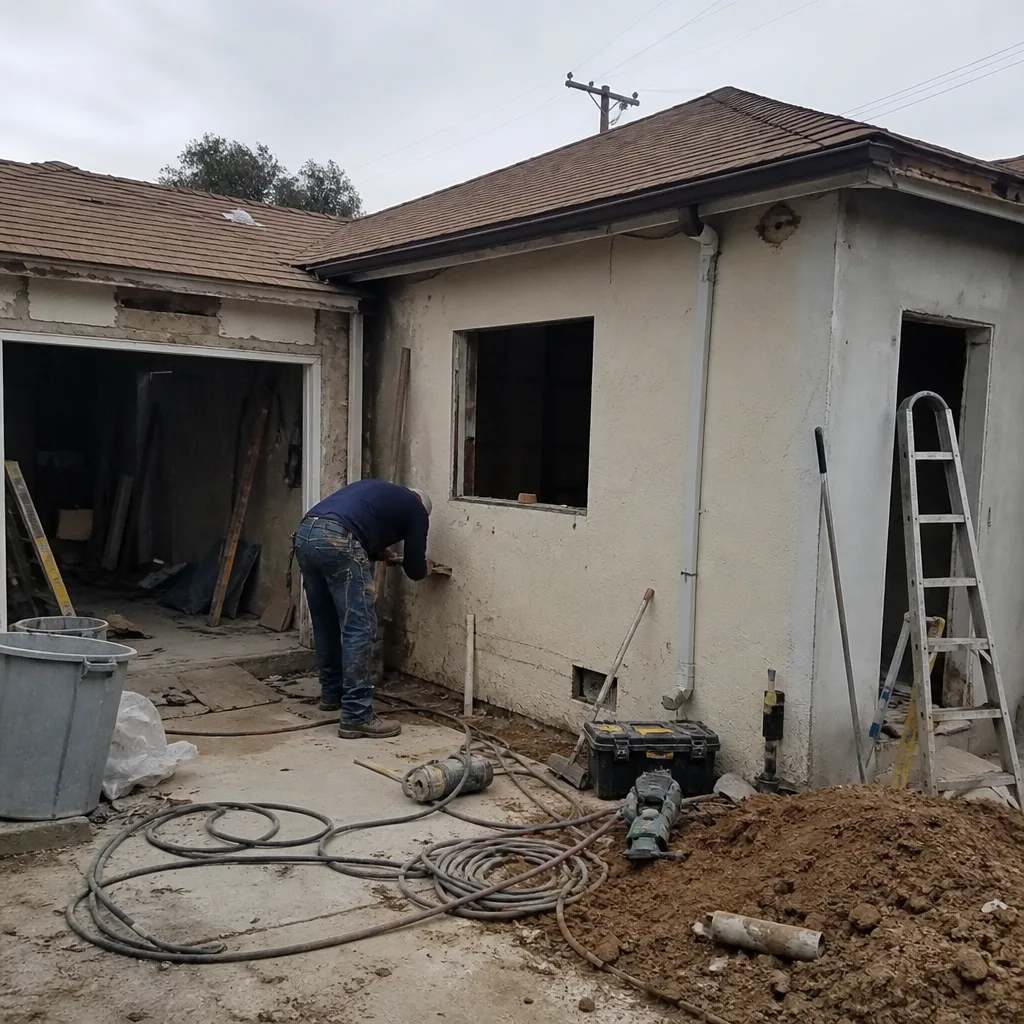 Before
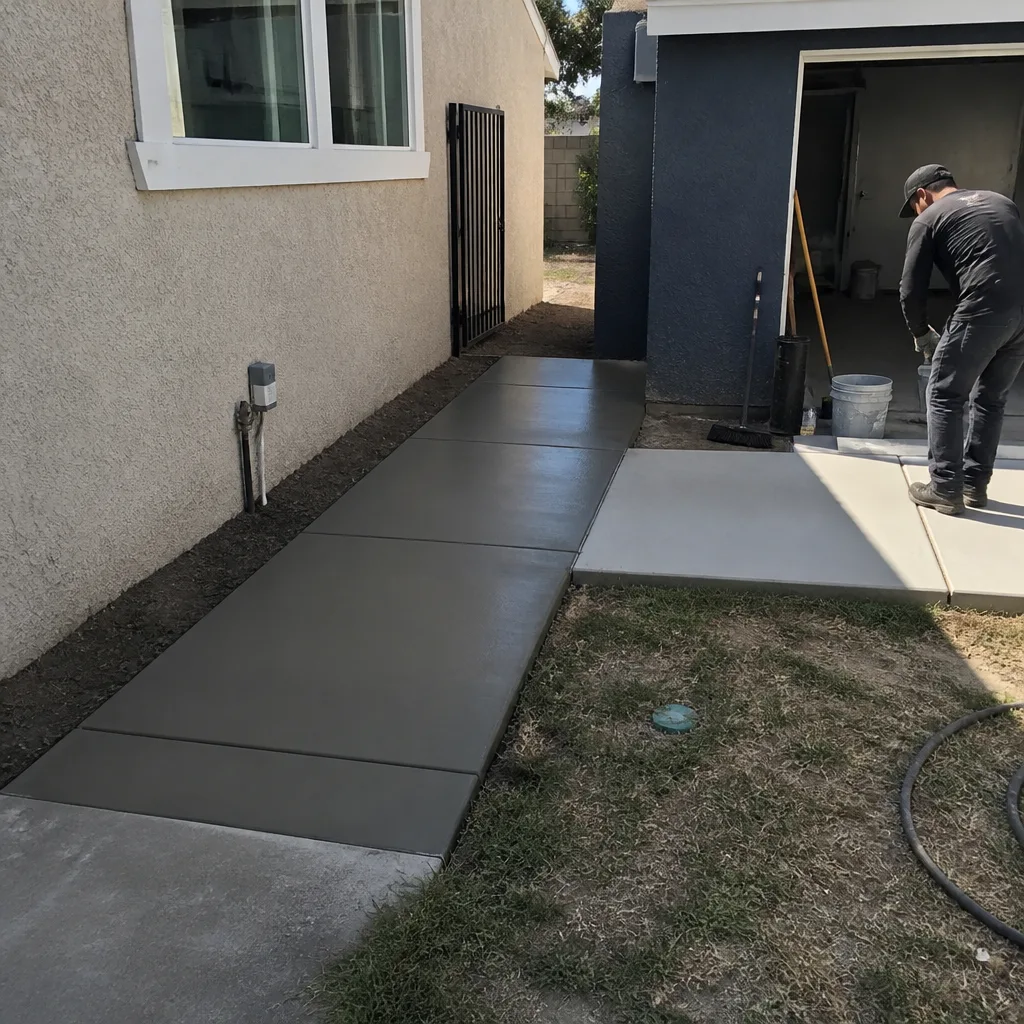 After
After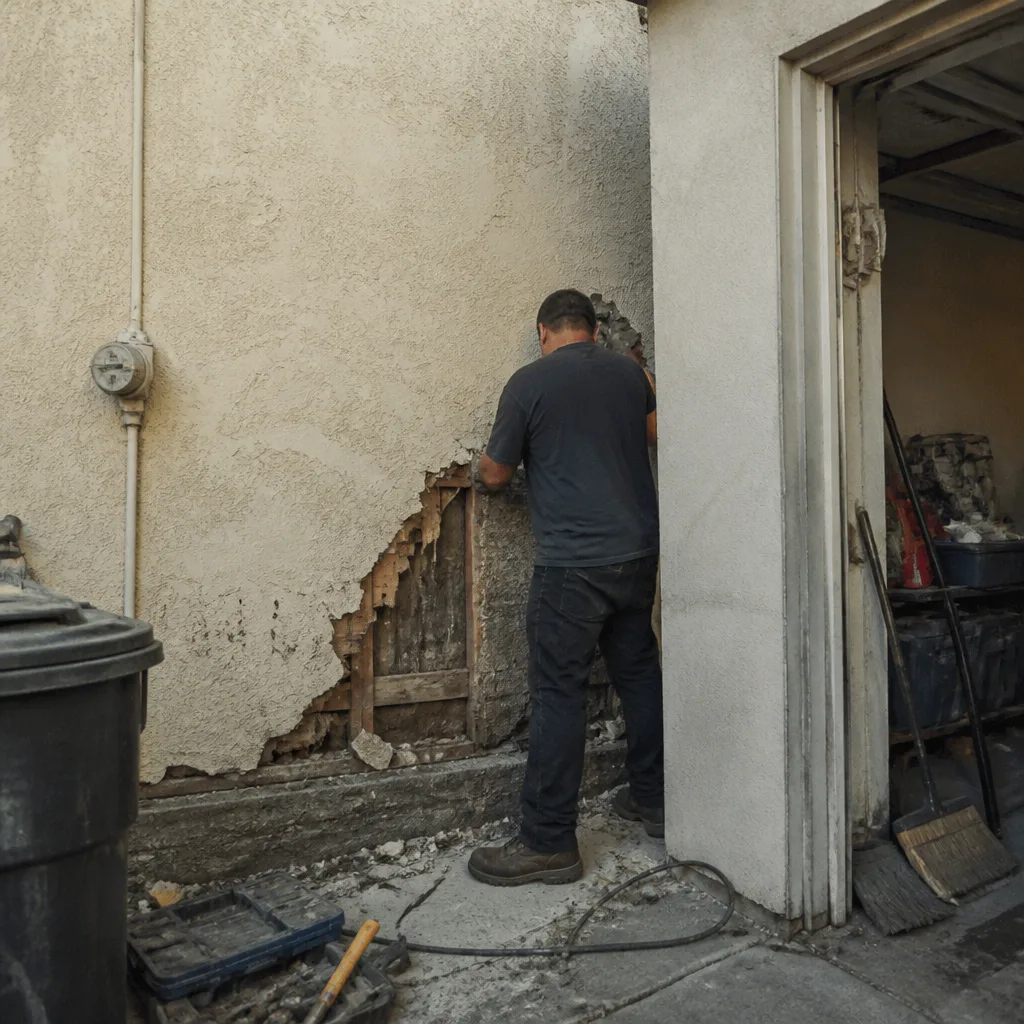 Before
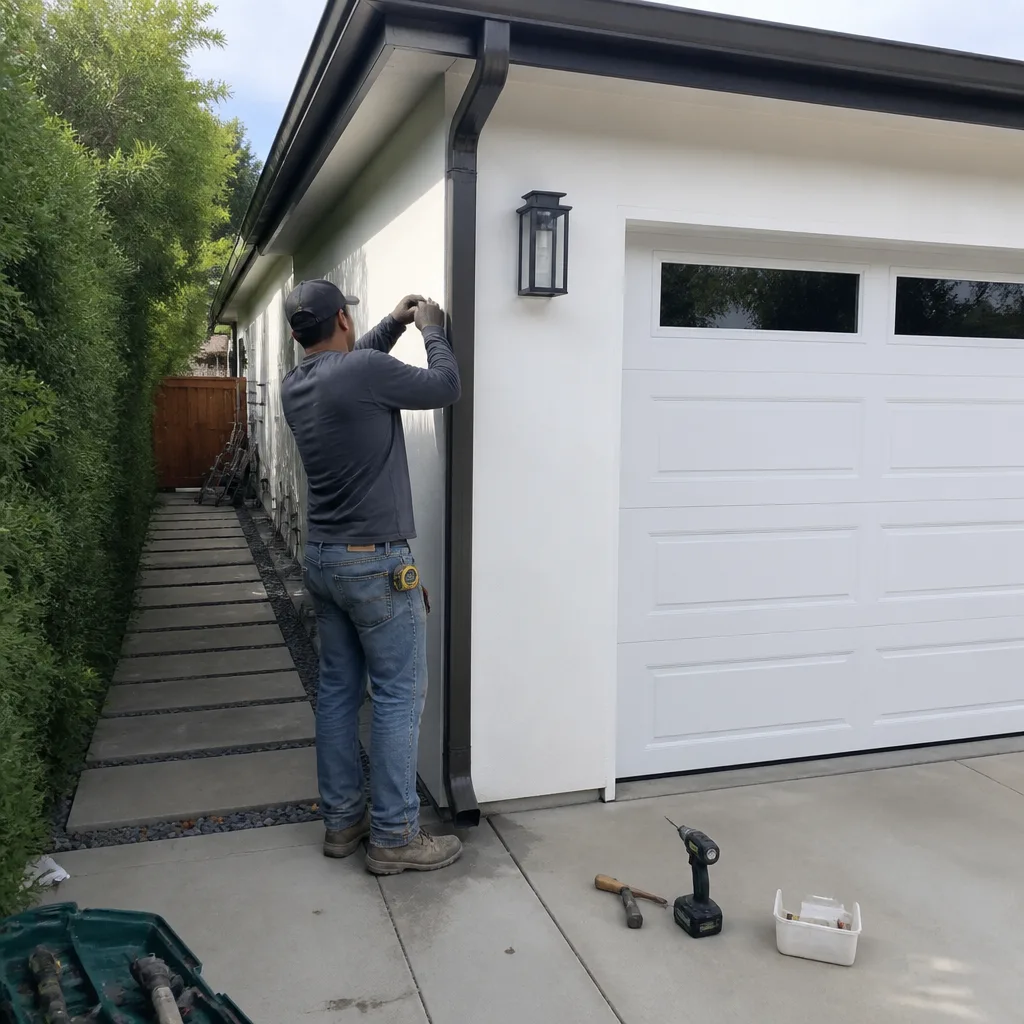 After
AfterWhen to Call a Professional
Some projects are safely in DIY territory: painting, patching drywall, replacing a faucet in place. The moment you’re moving walls, cutting openings, altering load paths, running new electrical circuits, or touching gas lines, you need a licensed general contractor. In Los Angeles, the permit triggers and seismic retrofit obligations make this even more true than in most cities. A contractor who knows LADBS procedure, who can pull permits without delay, and who puts every number in writing changes the entire risk profile of the project. Bradford Remodeling offers free estimates in Los Angeles, with a written price before any work starts. Call (903) 568-7222.
Frequently Asked Questions
A full kitchen remodel in Los Angeles typically runs between $45,000 and $85,000, depending on cabinet grade, countertop material, and whether you move walls or systems. A cosmetic update without structural changes lands lower, but anything touching plumbing, electrical, or layout pushes the number up. Call (903) 568-7222 for a written line-item estimate – it’s free, and the number locks before work starts.
Yes. A bathroom addition in Los Angeles always requires a permit because it adds square footage, plumbing, and usually structural load to the house. LADBS will want engineered drawings, and the work must be done by a licensed contractor. Skipping permits here creates a problem that follows the property through every future sale.
In California, a general contractor holds a CSLB Class B license and can legally perform structural work and projects involving more than two trades. A handyman is legally limited to projects under $500 in labor and materials. If your project involves moving walls, adding square footage, or running new systems, a handyman is not legally allowed to do the work.
Check the CSLB website directly. Enter the license number and verify the name matches, the license is active, the bond is posted, and there’s no disciplinary history. The whole check takes under five minutes and it’s the single highest-value step most Los Angeles homeowners skip.
With a fixed-price contract and a complete scope document, the price should not change unless you change the scope. Change orders must be written and signed. If a contractor quotes low and then re-prices at the door, that’s a contract problem, not a construction problem. The Garrison Standard exists specifically to prevent that: written price before work starts, no numbers that move.
With the 365-Day Done Right Promise, if completed work fails within one year, Bradford Remodeling returns and corrects it at no charge. The guarantee is written, not verbal, and you receive a signed copy at job close. Call (903) 568-7222 if you have a question about coverage on a current or completed project.
The Bottom Line
Hiring a general contractor in Los Angeles is a legal and financial decision before it’s a construction one. Check the CSLB license, bond, and workers’ comp record. Know your permit triggers. Understand the seismic retrofit obligations that come with opening walls. Sign a fixed-price contract with a written scope document, named material brands, and a written warranty. The contractors worth hiring put all of that on paper before the first tool comes out. That’s the standard. Insist on it. For more guides & resources on protecting your project, visit our blog.
Written by Curtis Lane, Owner at Bradford Remodeling, serving Los Angeles since 2004.