Last updated October 9, 2026






Free written scope consultation - allowances, timeline, and change-order rules on paper before a single trade is scheduled
Seasonal Construction Care for Los Angeles: Year-Round Homeowner’s Guide
Every October, Los Angeles homeowners get the standard reminder: clean your gutters for fire season. Reasonable advice, but it misses the construction consequence that actually costs money out here. Expansive clay soil, the stuff under thousands of LA foundations, shrinks and shifts through August and September’s dry heat. The damage doesn’t announce itself until November, when a bedroom door suddenly won’t latch or a tile grout line cracks from floor to ceiling. This guide reorganizes the maintenance calendar around Los Angeles’s real climate rhythm: fire season, rain season, and two transition windows when smart homeowners schedule inspections and remodeling work. For a deeper dive into planning projects in this market, see our Complete Guide to Construction in Los Angeles. No national-template advice, no four-seasons mythology. Just what we see in LA homes, month by month.
Quick Answer
Seasonal construction care in Los Angeles means aligning home maintenance and remodeling with the city’s actual climate cycle: inspect roofing, stucco, and drainage October through November before the first heavy rain; monitor for moisture intrusion and soil movement December through March; schedule permitted remodeling April through June to beat plan-check backlogs; and inspect thermal expansion damage on decks, stucco, and HVAC systems July through September without patching until temperatures drop. The goal is to catch soil movement, water intrusion, and thermal stress before they become structural repairs.
Styles & brands we work with




Table of Contents
- October-November: The Pre-Rain Inspection Window
- December-March: What Rain Season Actually Does to Wood-Frame Construction
- April-June: The Scheduling Window for Permitted Remodeling
- July-September: Thermal Expansion and What Not to Patch
- Year-Round: Marine Layer vs. Inland Valley Microclimates
- Common Mistakes to Avoid
- When to Call a Professional
- Frequently Asked Questions
October-November: The Pre-Rain Inspection Window
The six weeks between mid-October and late November are the most important inspection period on the Los Angeles maintenance calendar. Two seasonal forces converge here: the tail end of fire season, with its hot, dry Santa Ana winds, and the first real rain events, which typically arrive by late November or early December. Homes that handle both transitions cleanly are homes that avoid the most common and expensive LA repair categories: roof leaks, stucco cracks, and drainage failures.
The first priority is roofing, specifically at flat-to-slope transitions. Los Angeles has tens of thousands of homes with flat or low-slope roof sections tied into pitched sections. These transitions are where membrane laps fail, where water pools, and where debris accumulates in the weeks before rain. A visual inspection from the ground isn’t enough. You need someone on the roof checking the membrane for cracks, checking the flashing where the flat section meets the sloped section, and clearing any debris that’s been sitting since summer. Debris holds moisture against the membrane. Moisture accelerates membrane breakdown. It’s a compounding problem that starts small in October and becomes a ceiling stain by January.
Stucco is the second priority. Los Angeles is a stucco town, and stucco fails in predictable ways. Hairline cracks are normal and mostly cosmetic. Cracks wider than 1/8 inch, cracks that run diagonally from window corners, and cracks where stucco meets wood trim are different. These are entry points for rain water, and once water gets behind stucco, it sits against the building paper or the sheathing and does not dry quickly in cool weather. That’s how dry rot starts. Seal the small cracks now. Get a professional look at the diagonal and corner cracks.
Drainage is the third item on the October checklist. Walk the perimeter during the first light rain and watch where water flows. Los Angeles lots are often graded toward the house, not away from it, because so many homes were built on flat pads cut into hillsides. If water pools against the foundation, it isn’t an aesthetic issue. It’s a soil-saturation issue. Saturated expansive clay expands with force that can crack footings, and that’s a repair that runs into the tens of thousands. Downspout extensions, French drains, and regrading are all cheaper than foundation repair.
October-November Inspection Checklist
- Schedule a roof inspection focused on flat-to-slope transitions and flashing condition.
- Clear all roof debris, including leaves that have accumulated on flat roof sections.
- Inspect stucco for cracks wider than 1/8 inch and any diagonal cracking at window corners.
- Seal small stucco cracks with an elastomeric caulk rated for exterior use.
- Walk the perimeter in the first light rain and document where water pools.
- Check all downspouts for blockage and confirm extensions discharge at least 3 feet from the foundation.
- Inspect door frames and window frames for sticking, which indicates soil movement from late-summer shrinkage.
One more item that belongs on this list: check for door frames that stick or gaps that have appeared between the door and the jamb. This is the first visible sign that expansive soil under the foundation shifted during the dry months. In neighborhoods built on clay-heavy soil, like parts of the San Fernando Valley, homes show this movement every year. It’s usually not a structural emergency, but it’s a signal worth tracking year over year.
December-March: What Rain Season Actually Does to Wood-Frame Construction
Los Angeles rain season is not like Seattle’s. We get our annual rainfall in a handful of intense events rather than a steady drizzle, and that concentrated water is harder on buildings. A wood-frame home with stucco or wood siding absorbs water in ways that create three distinct types of moisture problems, and misdiagnosing one as another leads to the wrong fix and more money spent.
Moisture intrusion is rain water entering through a breach: a failed roof flashing, a cracked stucco wall, an improperly sealed window. It shows up as a stain that grows after rain events and shrinks, but does not disappear, in dry weather. The stain follows the path of water, so it typically appears below the breach, not at the breach itself. A stain on a ceiling directly under a roof valley points to a flashing issue. A stain on an interior wall below a window points to window flashing or sill pan failure.
Condensation is different. It forms when warm interior air hits cold surfaces: window glass, uninsulated walls, the underside of a poorly vented roof. Condensation stains are typically uniform, not streaky, and they appear on surfaces, not through them. You’ll see condensation on bathroom ceilings, closet walls on exterior corners, and the inside of single-pane windows. The fix is ventilation and insulation, not roofing or stucco repair.
Plumbing leaks follow a different logic entirely. They’re constant, not seasonal. A plumbing leak stain grows regardless of weather, and it often appears below bathrooms, kitchens, or laundry rooms. The water meter test works: turn off all fixtures, check the meter, wait two hours, check again. If the meter moved, you have a leak somewhere in the system.
The other rain-season effect to watch is soil re-expansion. The same clay that shrank in September re-expands when rain saturates it in January. Footings that settled during the dry months lift unevenly, and the house moves with them. This is when cracks in drywall appear, when doors that latched fine in October start sticking in February, and when tile grout lines pop loose. Most of this movement is within tolerance. The concern is differential movement: one part of the foundation moving more than another. If cracks in drywall are wider at one end than the other, or if a door frame is visibly out of square, that’s worth a professional foundation assessment.
April-June: The Scheduling Window for Permitted Remodeling
If you’re planning a kitchen remodel, a whole-home renovation, or any project that requires building permits in Los Angeles, the window to start is April through June. Our Complete General Contractor Guide for Los Angeles Homeowners explains how to navigate permits and contractor selection. The reasoning is not about bargains or contractor availability. It’s about the LA Department of Building and Safety plan-check calendar and the construction dry-in timeline before fire season restrictions kick in.
Plan check for a typical kitchen remodel in Los Angeles runs six to twelve weeks depending on jurisdiction and complexity. A project submitted in April gets through plan check by June or July, which means construction starts before the fall. That’s important because the dry-in phase, getting the building weatherproof, needs to happen before the rain returns in late November. A project that starts in September is racing the first rain, and when rain hits a half-open remodel, the fix is expensive and the schedule blows out.
There’s a second advantage to the April-June start: the marine layer keeps temperatures moderate in coastal and central LA, which is better for adhesives, paints, and some finish materials. And it’s the period when demand is rising but hasn’t peaked, so reputable general contractors are still booking in sequence rather than running multiple crews thin.
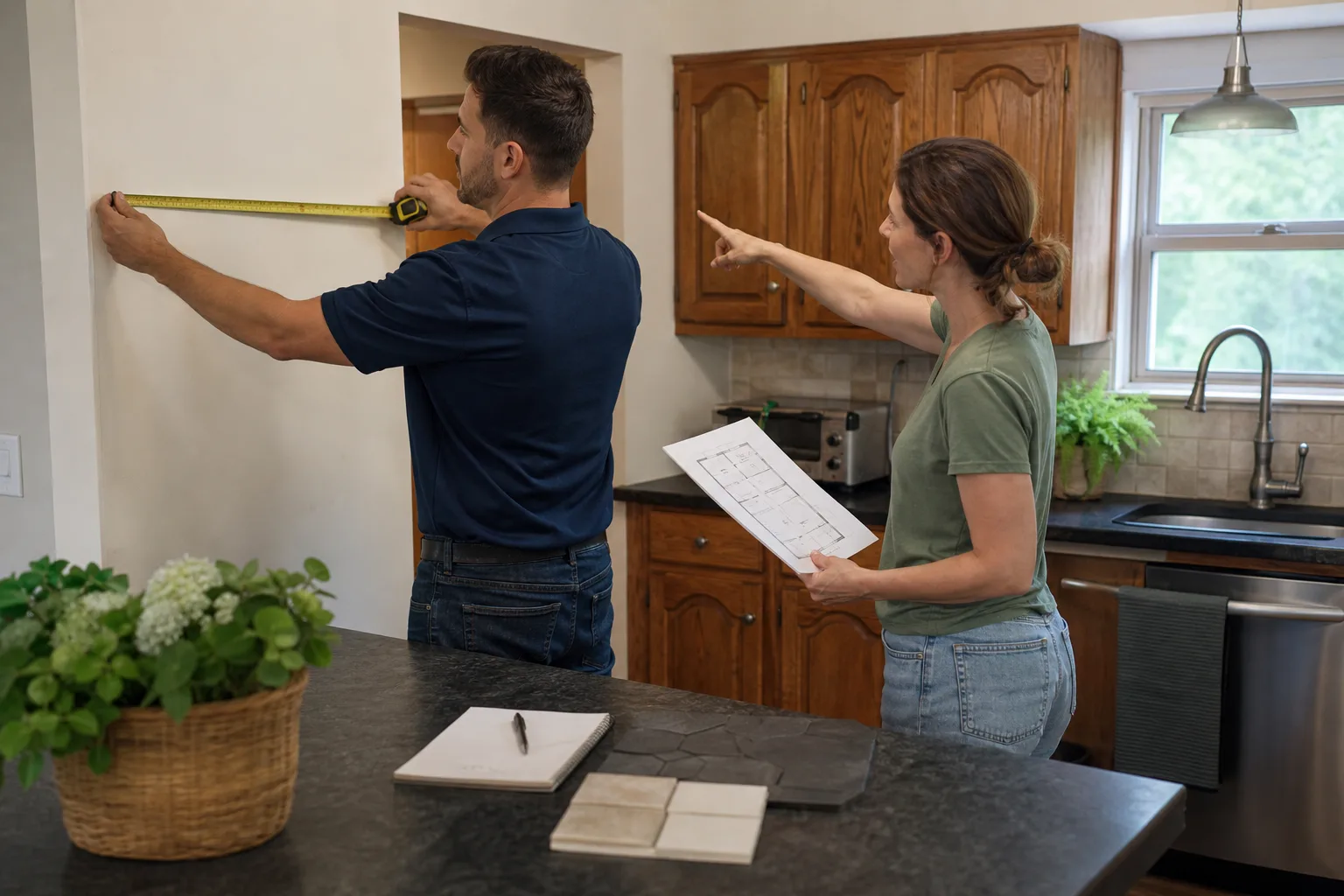
For homeowners who have been through a bad remodel, the ones who got burned by no-shows and change orders, this window also works because it gives you time to do the thing most people skip: get the written price before committing. A disciplined general contractor in Los Angeles will walk the site, spec the scope, and put a number in writing before any work starts. If a contractor won’t commit to that, April is the time to find out, not September.
Why April-June Is the Smart Start Window
- Plan-check timelines of six to twelve weeks mean April submissions get permits by summer.
- Dry-in completes before the November rain start, protecting the structure during construction.
- Moderate temperatures in the marine layer zones are better for adhesives and finishes.
- Contractors are booking but not yet overloaded, which supports sequence discipline.
- Homeowners have time to get written pricing and verify guarantees before work begins.
If you’re considering kitchen remodeling in Los Angeles, the April-June window is when lead times on cabinetry from brands like Wellborn and KraftMaid, and surfaces from Cambria or Caesarstone, align with the construction schedule. Order materials too late, and the project stalls waiting for cabinets. The remodel timeline, not just the permit timeline, benefits from an early start.
July-September: Thermal Expansion and What Not to Patch
July through September in Los Angeles is the stress test season. Temperatures inland routinely exceed 100 degrees, and the sun exposure on west- and south-facing walls and decks is relentless. Three materials show the effects most clearly: composite decking, stucco, and HVAC systems.
Composite decking expands and contracts with temperature changes, and in July the expansion is at its peak. Boards installed with inadequate spacing will butt against each other, and the pressure has to go somewhere. You’ll see it as raised seams, wavy deck sections, or boards that have pulled fasteners loose. This is not a repair you make in July. The boards are at maximum expansion. If you trim them now, you’ll create gaps in the winter when the material contracts. Document the worst areas, wait until late October or November, and then have the spacing corrected. The same rule applies to any composite trim or fascia boards on the home exterior.
Stucco cracks also progress in the heat, but the mechanism is different from rain-season cracking. Summer heat drives moisture out of the stucco, so it shrinks. Existing hairline cracks widen, and new cracks can form where the stucco is restrained, around windows, at corners, along the top of foundation walls. The temptation is to patch immediately. Don’t. Stucco patching compounds work best when the underlying material is stable, and in September the material is at maximum shrinkage. Patching now locks in that dimension. When the stucco re-expands with October’s returning moisture, the patch will crack. The right move is to note the crack locations and widths, wait for October when temperatures stabilize, and patch then.
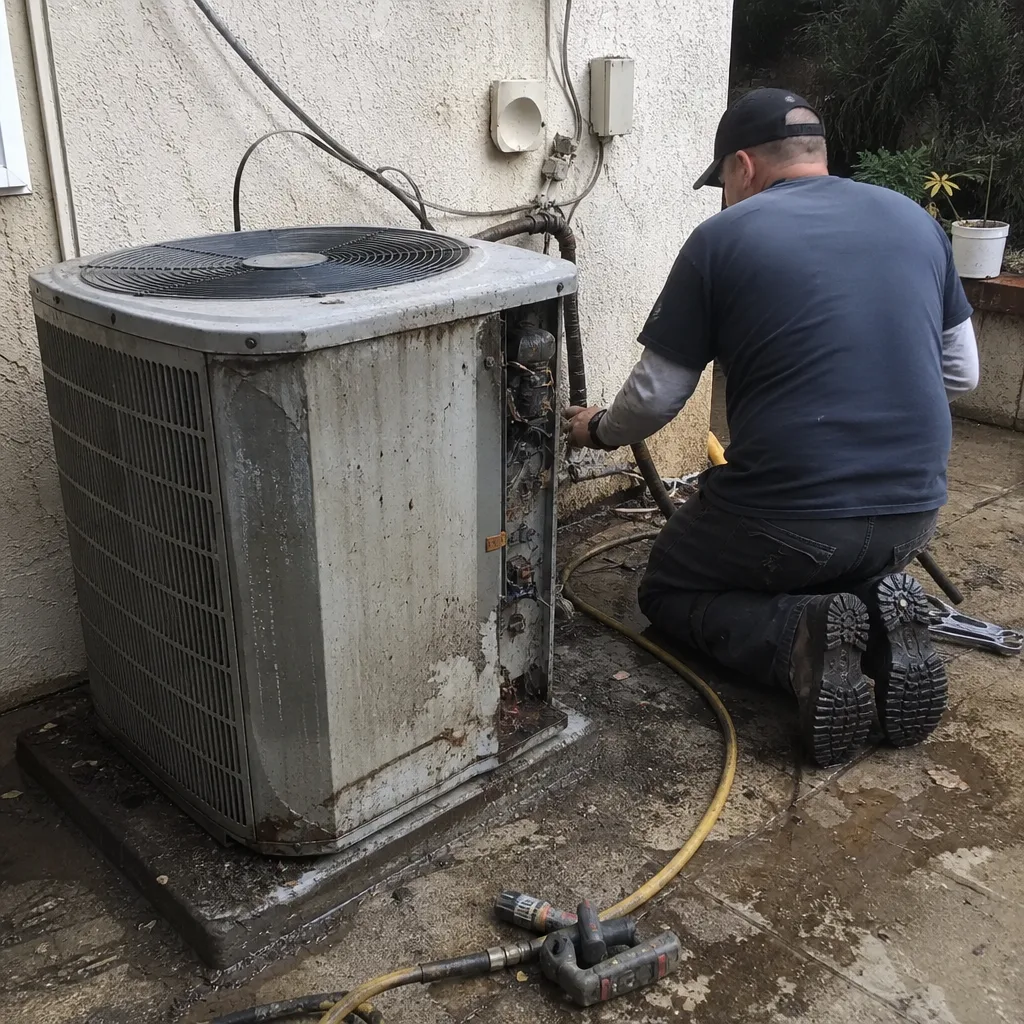
HVAC systems run hardest in August and September, particularly in the inland Valley, where cooling demand is highest. The symptom to watch is not a failure but a change: longer run times to hit the same setpoint, warmer air at the registers, or new sounds from the condenser. These are the early signs of refrigerant leaks, failing capacitors, or dirty coils. A mid-summer inspection is cheap, and catching a failing capacitor in August beats discovering it on the first 105-degree day of a heat wave, when every HVAC tech in Los Angeles is booked for a week.
Year-Round: Marine Layer vs. Inland Valley Microclimates
Los Angeles is not one climate. A home in Santa Monica, Manhattan Beach, or El Segundo lives with the marine layer for months at a time, while a home in Sherman Oaks, Woodland Hills, or Northridge deals with Valley heat and dramatically lower humidity. Building materials respond differently, and a maintenance schedule that works in one zone fails in the other.
Within ten miles of the coast, the marine layer keeps temperatures moderate but delivers persistent moisture. Exterior wood, including trim, fascia, and deck framing, stays damp longer. Paint fails differently here: it blisters and peels rather than fading and chalking, because it’s moisture-driven rather than UV-driven. Salt in the air accelerates corrosion on metal flashing, fasteners, and hardware. And the wet-dry cycle on the exterior is less extreme, so stucco cracks less from thermal stress but more from water absorption.
In the Valley, the story is heat and dryness. Summer temperatures routinely run twenty degrees above the coast. Composite decking expansion is more extreme. Stucco shrinks more in the dry heat. HVAC systems run longer and harder. But the rain-season soil story is also more dramatic in the Valley, where expansive clay is common and the wet-dry cycle drives foundation movement that coastal homes, many of them on sandy soil, don’t experience to the same degree.
The practical takeaway is that material choices should follow microclimate. Coastal homeowners should prioritize corrosion-resistant fasteners and flashing, moisture-tolerant exterior paints, and regular inspection of metal components. Valley homeowners should prioritize materials rated for high UV and thermal movement, and should watch foundation-related symptoms like door frame movement more carefully. There is no single Los Angeles standard. The right material for Santa Monica is the wrong material for Woodland Hills.
Common Mistakes to Avoid
- Patching stucco in August or September. The material is at maximum thermal shrinkage. Patching now means cracking in October when moisture returns. Wait for temperatures to stabilize.
- Misdiagnosing condensation as a roof leak. A uniform stain on a cold surface isn’t intrusion. Fixing a roof that isn’t leaking wastes money and leaves the real problem, ventilation, unaddressed.
- Starting a permitted remodel in September or October. This puts the dry-in phase against the first rains. When rain hits a half-open structure, the repair cost and schedule delay are serious.
- Ignoring door frames that stick in November. This is the first evidence of expansive clay soil movement under the foundation. Track it year over year. If it’s getting worse, get a professional assessment before it becomes a structural repair.
- Trimming composite decking to fix expansion in July. Boards are at maximum expansion. Trimming now creates gaps in winter. Document and wait for the cooler months.
- Using inland maintenance schedules for coastal homes, or vice versa. The marine layer means salt corrosion and moisture-driven paint failure; the Valley means thermal stress and foundation movement from clay soil. The checklists are different.
- Skipping the written price before work starts. A handshake estimate that changes when the job begins is the most common complaint we hear from Los Angeles homeowners. The discipline to get a written price, every time, is the cheapest insurance in remodeling.
When to Call a Professional
Some maintenance tasks are a ladder and a Saturday. Others are not. Call a professional when a stucco crack runs diagonally from a window corner, which indicates a structural stress point rather than surface shrinkage. Call when a ceiling stain grows after rain, because tracing the actual water entry point usually requires roof access and moisture testing. Call when door frames are out of square in more than one room, which points to differential foundation movement rather than seasonal settling. Call when you’re planning permitted work, because the plan-check process in Los Angeles is not kind to first-timers, and a completed permit set moves faster than a correction loop. Bradford Remodeling offers free estimates in Los Angeles and brings The Garrison Standard to every project: a written price before work starts, a documented scope, and a 365-Day Done Right Promise on completed work. Call (903) 568-7222.
Frequently Asked Questions
A roof inspection in Los Angeles typically runs $150 to $400 depending on roof size, height, and whether it’s a visual inspection or includes moisture testing. The inspection cost is trivial compared to the cost of a failed flat-to-slope transition, which can run $3,000 to $8,000 to properly repair once water has entered. Call (903) 568-7222 to discuss what a roof inspection should include for your home’s construction type.
Expansive clay soil under the foundation shrinks during Los Angeles’s dry hot months, then re-expands when the first rains arrive, and the differential movement shifts door frames out of square. This seasonal cycle is common in the San Fernando Valley and other clay-heavy areas. Track the movement season to season, and call for a professional assessment if the sticking gets worse each year. Estimates are free at (903) 568-7222.
Plan check for a typical kitchen remodel in Los Angeles runs six to twelve weeks, depending on project complexity and the current backlog at the Department of Building and Safety. Submitting in April means permits by summer, and construction can begin with enough time to dry in before the November rain. For kitchen remodeling in Los Angeles, the permitting timeline is as important as the construction timeline.
The best months for stucco patching in Los Angeles are October, November, March, and April, when temperatures are moderate and the material is neither at maximum thermal expansion nor maximum shrinkage. Patching in July or August locks in the shrunken dimension and the patch will crack when moisture returns in the fall.
The marine layer itself doesn’t damage structures, but the persistent moisture it delivers to homes within ten miles of the coast accelerates corrosion on metal flashing and fasteners, shortens exterior paint life, and keeps wood trim damp enough for dry rot to establish. Coastal maintenance schedules need to account for this moisture, even though the rainfall totals are lower than in the Valley.
No. Composite decking expands in July and August heat. Any gaps or raised seams you see at peak temperature will change when the material contracts in the cooler months. Document the condition in August, wait until October or November, and then correct spacing issues. Fixing expansion problems at peak heat creates the opposite problem in winter.
The Bottom Line
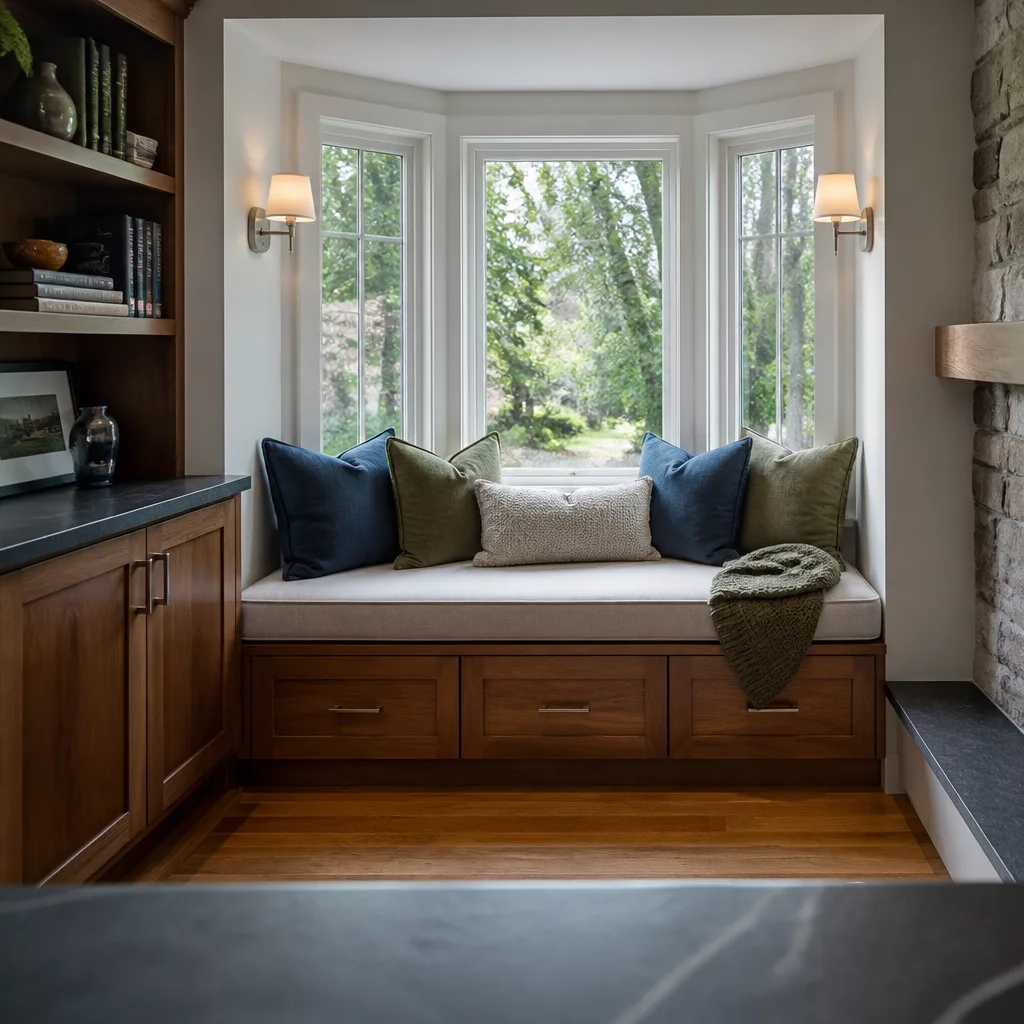
Los Angeles doesn’t follow a national seasonal template, and neither should your maintenance calendar. The city’s actual rhythm is this: inspect roofs, stucco, and drainage in October and November before the first real rain. Watch for moisture intrusion, condensation, and soil movement December through March. Start permitted remodeling April through June to clear plan check and dry in before fire season. Document thermal expansion July through September without patching prematurely. And wherever your home sits, on the coast or in the Valley, maintain it according to that microclimate, not a generic checklist. The homeowners who avoid the most expensive repairs in Los Angeles are the ones who schedule maintenance on the city’s calendar, not the country’s. Explore more guides & resources for maintaining and remodeling your LA home.
If you’re planning a home remodeling project in Los Angeles, a seasonal maintenance calendar is a good start. The next step is finding a contractor who puts everything in writing. Start with a free estimate and the Bradford Remodeling home guide to scope, pricing, and guarantees. Call (903) 568-7222, and we’ll give you a straight number, a clear scope, and a written guarantee before a single tool comes out.
Written by Curtis Lane, Owner at Bradford Remodeling, serving Los Angeles since 2004.
See the difference
 Before
 After
After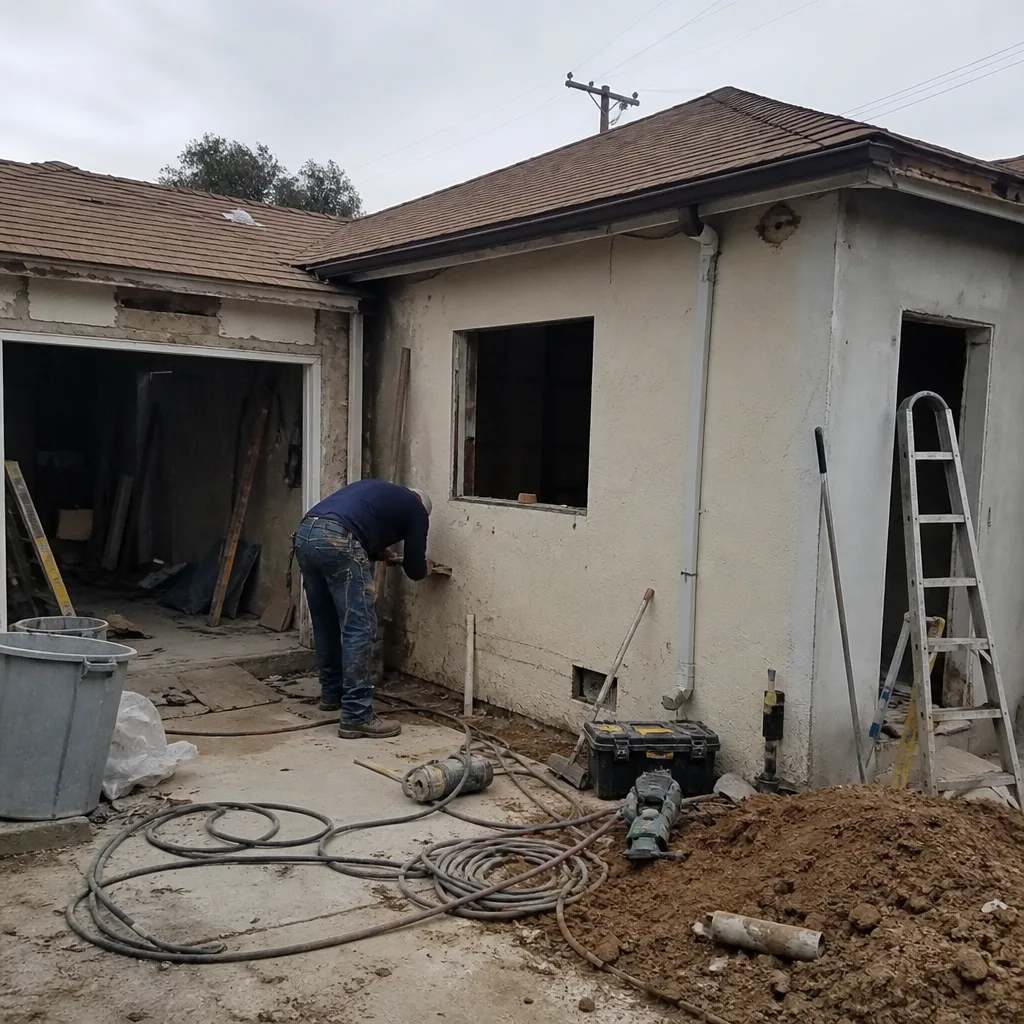 Before
 After
After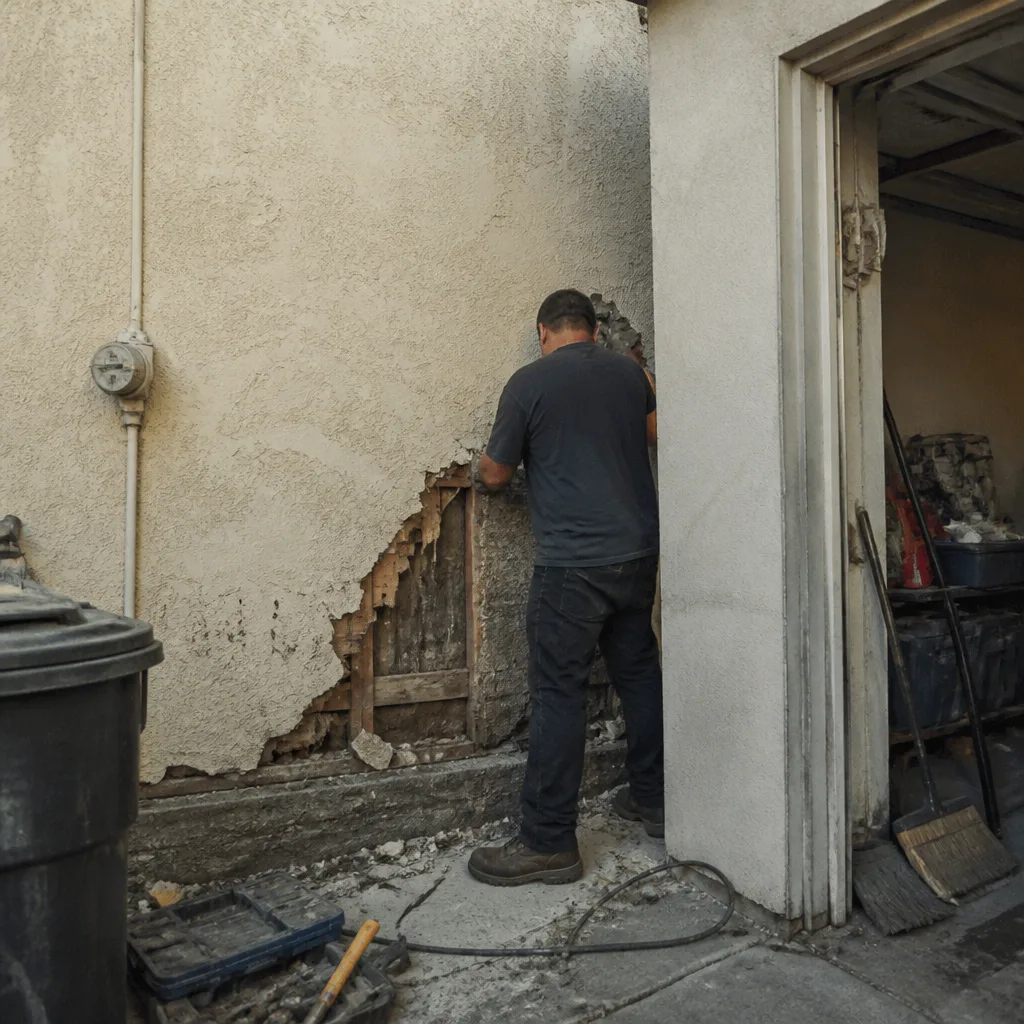 Before
 After
After